

People
- Selected letter: All
- Q
Loading People
We couldn't find anybody who matched your criteria

Lancaster Literacy Research Centre, LTRG - Language Testing Research Group











Centre for Child and Family Justice Research

Centre for Higher Education Research and Evaluation, Centre for Social Justice and Wellbeing in Education
Culture and Communication Research Network (CULCOM), DisTex - Discourse and Text Research Group, FHASS Health Hub




ESRC Centre for Corpus Approaches to Social Science
DisTex - Discourse and Text Research Group, ESRC Centre for Corpus Approaches to Social Science, UCREL - University Centre for Computer Corpus Research on Language





Centre for Alternatives to Social and Economic Inequalities


Centre for Higher Education Research and Evaluation, Centre for Technology Enhanced Learning

Research Group in Cognitive Linguistics
ESRC Centre for Corpus Approaches to Social Science

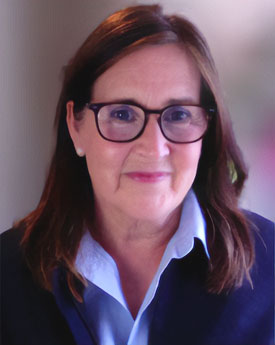
Centre for Alternatives to Social and Economic Inequalities, Centre for Child and Family Justice Research, DSAIL - Society
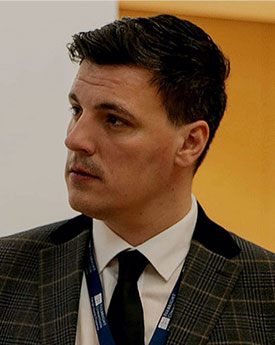


Centre for Child and Family Justice Research
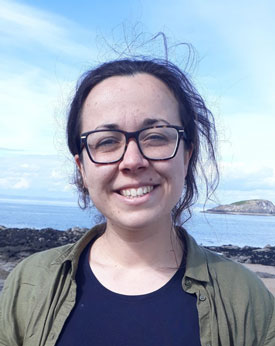
Phonetics Lab

LTRG - Language Testing Research Group

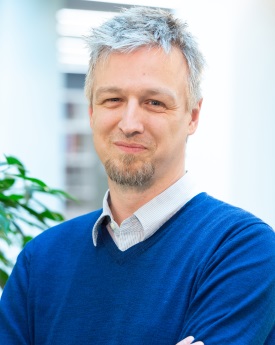
Centre for Higher Education Research and Evaluation, Centre for Social Justice and Wellbeing in Education


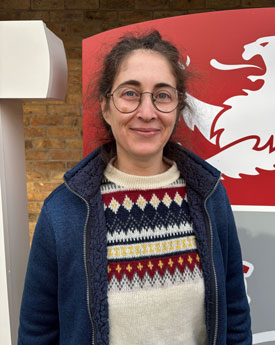
Brain and Bilingual Experience Lab (BaBEL), Research Group in Cognitive Linguistics



Centre for Higher Education Research and Evaluation, Centre for Social Justice and Wellbeing in Education, Centre for Technology Enhanced Learning
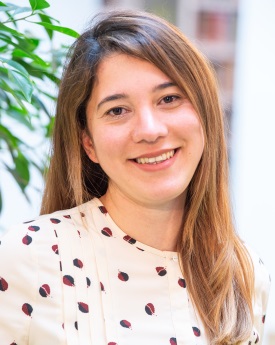
Centre for Social Justice and Wellbeing in Education
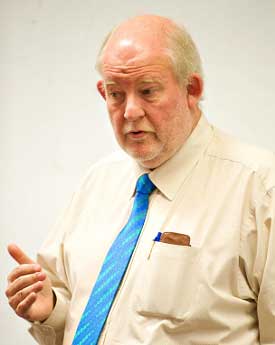





Security Lancaster, Security Lancaster (Behavioural Science), Security Lancaster (Societal Threats)



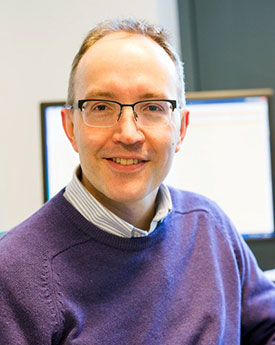
Digital Humanities Centre, DisTex - Discourse and Text Research Group, ESRC Centre for Corpus Approaches to Social Science, UCREL - University Centre for Computer Corpus Research on Language





Policing Academic Centre of Excellence, Security Lancaster, Security Lancaster (Policing), Security Lancaster (Policy, Law and Ethics)

Centre for Child and Family Justice Research


Centre for Child and Family Justice Research

Centre for Higher Education Research and Evaluation



Centre for Child and Family Justice Research




Centre for Child and Family Justice Research

Centre for Alternatives to Social and Economic Inequalities, Centre for Child and Family Justice Research, Centre for Gender Studies, DSAIL - Society


ESRC Centre for Corpus Approaches to Social Science



Centre for Social Justice and Wellbeing in Education, Lancaster Evaluation Group, Morecambe Bay Curriculum



CeMoRe - Centre for Mobilities Research, Lancaster Literacy Research Centre



Professor Chris Grover
Deputy Head of School - School of Social Sciences, Professor in Social PolicyCentre for Alternatives to Social and Economic Inequalities, Centre for Child and Family Justice Research, Centre for Crime, Law and Justice


DisTex - Discourse and Text Research Group, ESRC Centre for Corpus Approaches to Social Science, Forensic Linguistics Research Group , Security Lancaster, Security Lancaster (Behavioural Science)
ESRC Centre for Corpus Approaches to Social Science
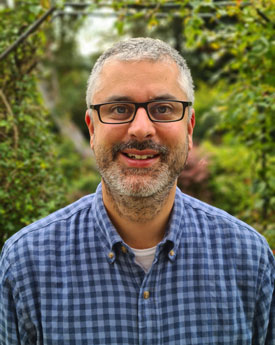
LTRG - Language Testing Research Group
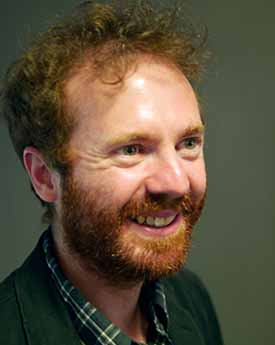
DisTex - Discourse and Text Research Group, LIP - Language, Ideology and Power Group, Research Group in Cognitive Linguistics


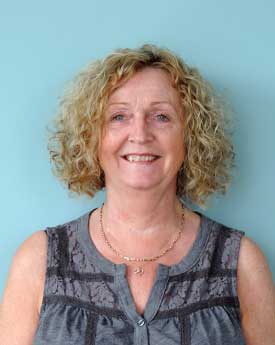
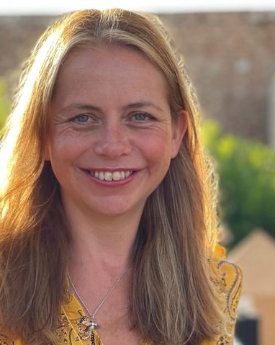


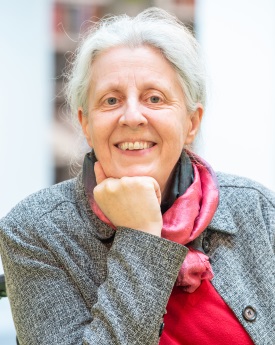
Centre for Gender Studies, Centre for Higher Education Research and Evaluation, Centre for Social Justice and Wellbeing in Education, REAP - Researching Equity Access and Participation


CeMoRe - Centre for Mobilities Research, Migrancy Research Group


Centre for Crime, Law and Justice

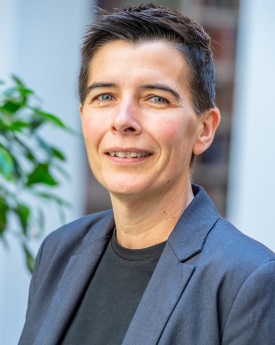
Centre for Gender Studies, Centre for Higher Education Research and Evaluation, Centre for Social Justice and Wellbeing in Education
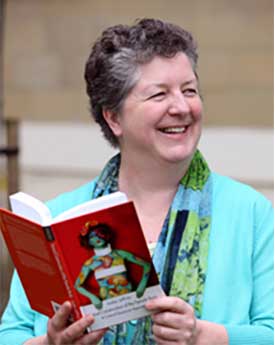


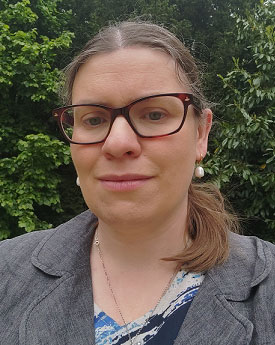
Centre for Technology Enhanced Learning




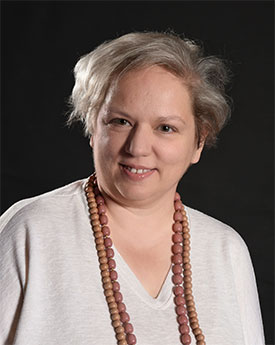
DisTex - Discourse and Text Research Group, LIP - Language, Ideology and Power Group
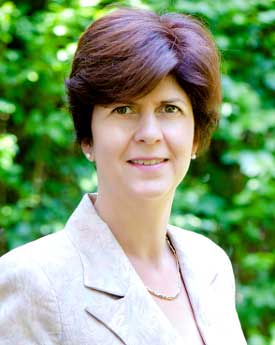
LTRG - Language Testing Research Group
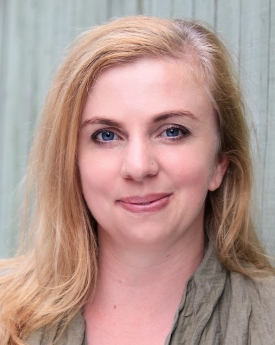
Centre for Child and Family Justice Research



Centre for Higher Education Research and Evaluation, Centre for Scholarship and Innovation in Management Education, Centre for Social Justice and Wellbeing in Education, Centre for Technology Enhanced Learning, Institute for Social Futures Fellow, Morecambe Bay Curriculum
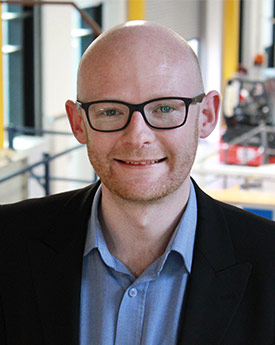
Lancaster Product Development Unit











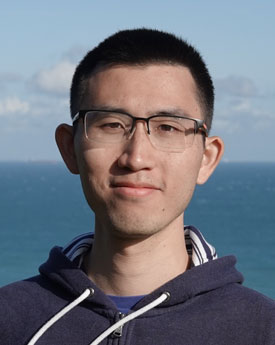
Phonetics Lab


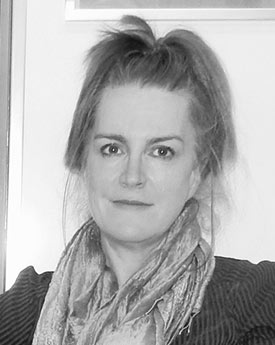

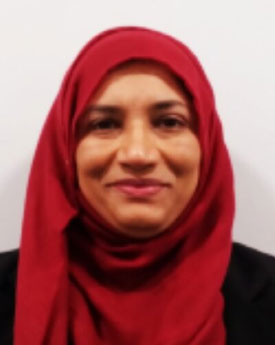


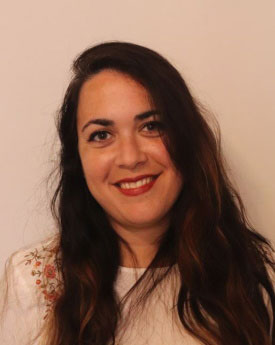
Centre for Social Justice and Wellbeing in Education
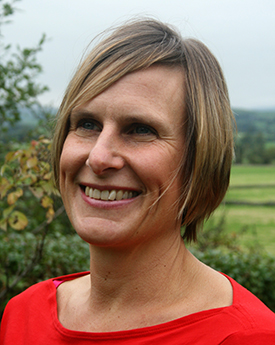
Centre for Alternatives to Social and Economic Inequalities
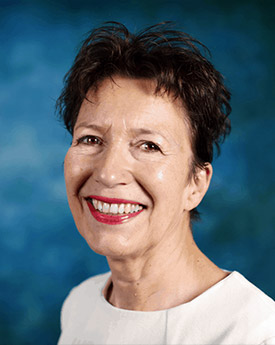
Centre for Alternatives to Social and Economic Inequalities, Centre for Child and Family Justice Research, Centre for Gender Studies, Gambling Resilience and Community Engagement Network, Security Lancaster, Security Lancaster (Policing), Security Lancaster (Sociology)

Centre for Higher Education Research and Evaluation, Centre for Social Justice and Wellbeing in Education, Morecambe Bay Curriculum






Critical Geographies


Lancaster Intelligent, Robotic and Autonomous Systems Centre, LIRA - Society and Human Behaviour, Security Lancaster (Sociology)
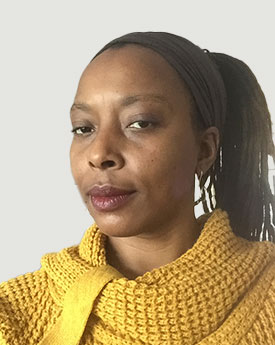





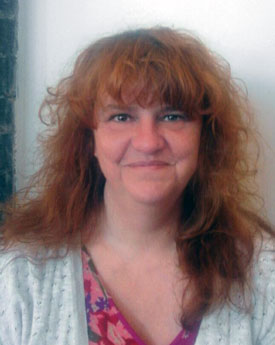
Centre for Alternatives to Social and Economic Inequalities, Centre for Child and Family Justice Research, Institute for Social Futures Fellow




Culture and Communication Research Network (CULCOM)
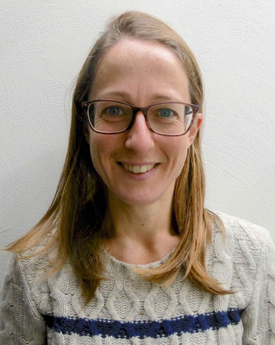
Phonetics Lab

Centre for Gender Studies


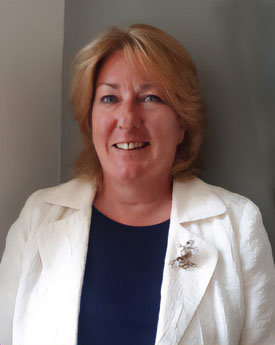





Centre for Scholarship and Innovation in Management Education

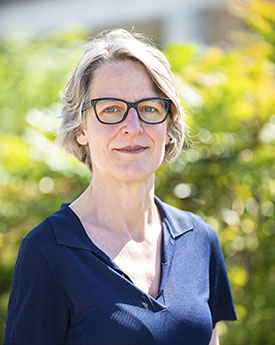
FHASS Health Hub, Lancaster Literacy Research Centre, LIP - Language, Ideology and Power Group



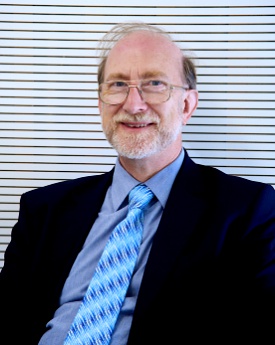
Centre for Social Justice and Wellbeing in Education, Centre for Technology Enhanced Learning


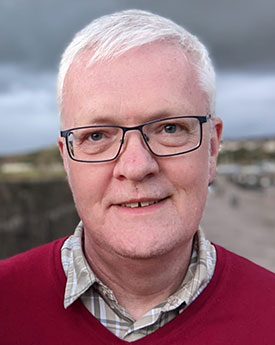
LTRG - Language Testing Research Group


Policing Academic Centre of Excellence

Centre for Crime, Law and Justice, Security Lancaster (Policy, Law and Ethics)

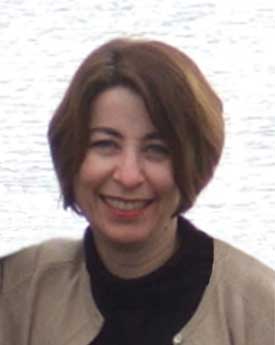
Lancaster Literacy Research Centre




Culture and Communication Research Network (CULCOM), FHASS Health Hub
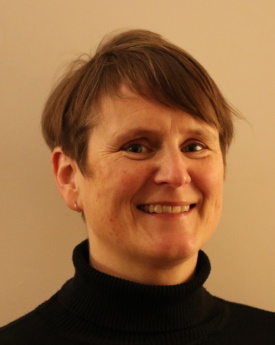


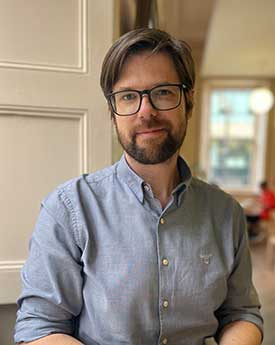
Language Learning Research Lab, Multilingualism and Cognition Research Group, Research Group in Cognitive Linguistics


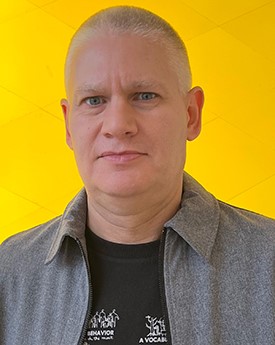


Brain and Bilingual Experience Lab (BaBEL), Multilingualism and Cognition Research Group
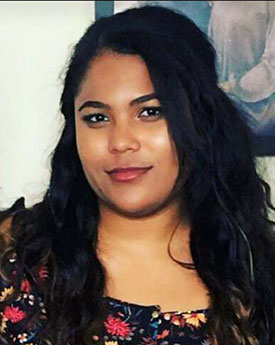


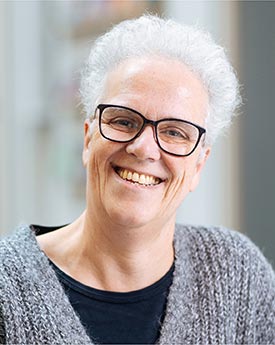
DisTex - Discourse and Text Research Group, ESRC Centre for Corpus Approaches to Social Science, FHASS Health Hub, Institute for Social Futures Fellow, ISF Fellows 2019/20, Research Group in Cognitive Linguistics , UCREL - University Centre for Computer Corpus Research on Language


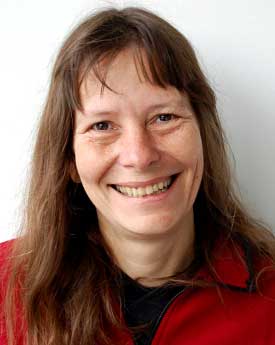
CeMoRe - Centre for Mobilities Research, Centre for Science Studies, DEMAND - Dynamics of Energy, Mobility and Demand, Energy Lancaster


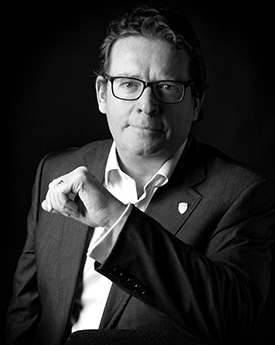






CeMoRe - Centre for Mobilities Research, Institute for Social Futures Fellow





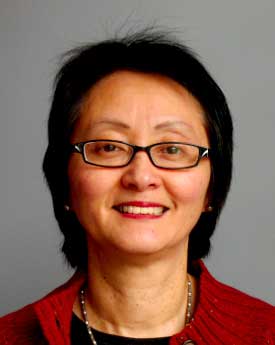
Centre for Alternatives to Social and Economic Inequalities, CPERC - Cultural Political Economy Research Centre

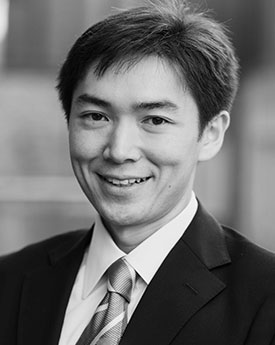



DisTex - Discourse and Text Research Group, Research Group in Cognitive Linguistics , UCREL - University Centre for Computer Corpus Research on Language




Centre for Higher Education Research and Evaluation




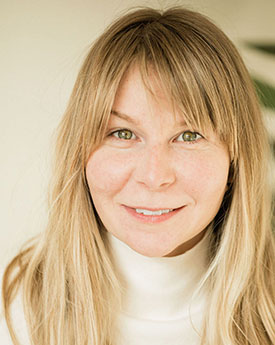
DisTex - Discourse and Text Research Group, Lancaster Literacy Research Centre
Centre for Alternatives to Social and Economic Inequalities, Centre for Gender Studies, Migrancy Research Group



Authors and the World, DisTex - Discourse and Text Research Group, Institute for Social Futures Fellow, Lancaster Literacy Research Centre, LIP - Language, Ideology and Power Group
Research Group in Cognitive Linguistics


Centre for Higher Education Research and Evaluation, Centre for Social Justice and Wellbeing in Education







Centre for Gender Studies, Centre for Social Justice and Wellbeing in Education, Morecambe Bay Curriculum, Richardson Institute for Peace Studies

Centre for Crime, Law and Justice

Security Lancaster, Security Lancaster (Sociology)











Centre for Child and Family Justice Research



Security Lancaster, Security Lancaster (Policing)