History

See the Other Side of History at Lancaster University

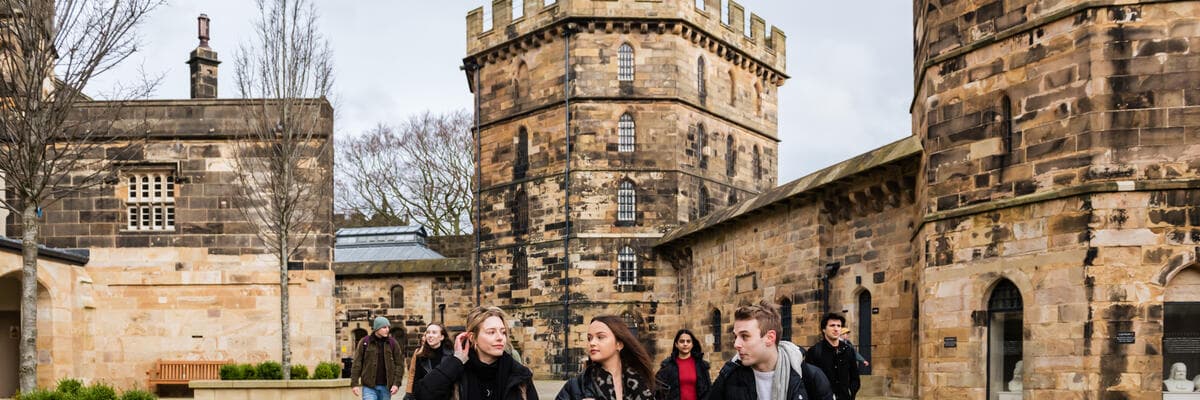
Group of people in Lancaster Castle courtyard
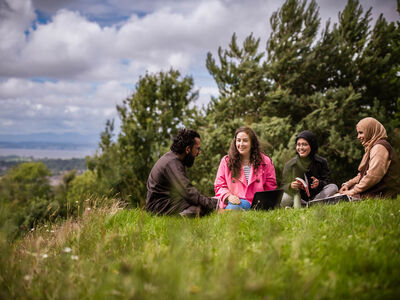
Students on the grass in Ashton park with Morcambe bay in the distance

Introduction

We cannot comprehend the present or contemplate the future without understanding the past. To address the challenges that we face as a global community, we must study the various political, cultural, economic, and environmental factors that have shaped who we are, how we think, and what we feel.

By studying History at Lancaster, you will join a vibrant and supportive academic community that has been at the forefront of innovation in the discipline for over 60 years. Our expertise ranges from medieval to modern, and spans the globe from the Americas, through Europe and Africa, to South and East Asia. We encompass many different types of history including the history of war and diplomacy, environmental history, the histories of science and medicine, gender history, and the history of crime.
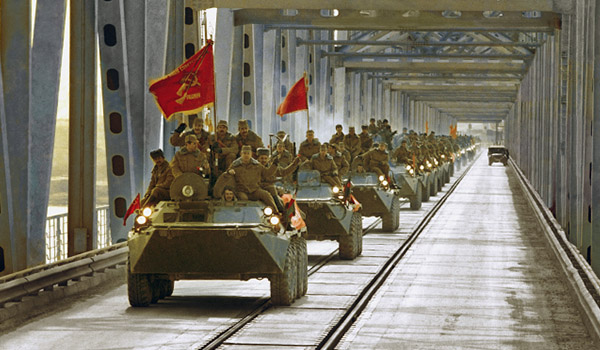
Our research-led teaching develops a range of different historical skills and will have you working with diverse sources and methodologies, including those pioneered by our world-leading experts in digital humanities, the histories of health and disease, war and conflict, the Atlantic world, and the history of international relations. One day, you might be debating the relevance of historical conflicts to today’s global crises; the next, you might be exploring how new technologies are transforming the way we understand and study the past. At Lancaster you can develop your historical passions and discover a whole new world of history to explore.

Study

Plaster cast of right hand

Research spotlight

The Victorian Hand: Emotions, Embodiment, and Identity, Past and Present

Dr Michael Brown is co-leading a major externally funded research project entitled ‘The Victorian Hand: Emotions, Embodiment, and Identity, Past and Present’. Developed in collaboration with Professor Joanne Begiato (University of the Arts London: London College of Fashion), this project has received £846,900 of Standard Research Grant funding from the AHRC to enable a programme of both historical research and public and professional engagement. Dr Helen Murray is the project Research Associate and has been gathering a wide range of source material as well as pursuing her own research interests in relation to the project.

The project, which will run until 2028, explores the emotional and embodied history of the hand in Victorian Britain. It uncovers the ways in which hands enabled contemporaries to navigate the complexities of a globalised, urbanised, technologised modernity, functioning as a metonym for some of the most pressing concerns of the day, ranging from conceptions of gender, race and class, through ideas about the value of labour, art and craft, to notions of character and value and debates about science and spirit.

As well as leading to a co-authored book and several articles, the project is concerned to promote and sustain wellbeing in the present through a wide range of impact and engagement activities involving project partners The Quilters’ Guild in York and the Royal College of Surgeons of England in London. This includes six workshops bringing quilters and surgeons together to explore the shared haptic dimensions of their work, as well as four workshops involving students at Lancaster and the London College of Fashion, getting them to reflect on the role of embodiment in shaping their sense of self as well as encouraging them to express themselves through embodied acts of creativity.

The project will also fund a specifically commissioned work of textile art as well as three short films, which, together with creative portfolios produced by the workshop participants, will form the basis for a touring exhibition to be held at the Festival of Quilts at the Birmingham NEC and the Hunterian Museum in London.

You can find out more about the project and follow its activities and outputs via the project website, The Victorian Hand