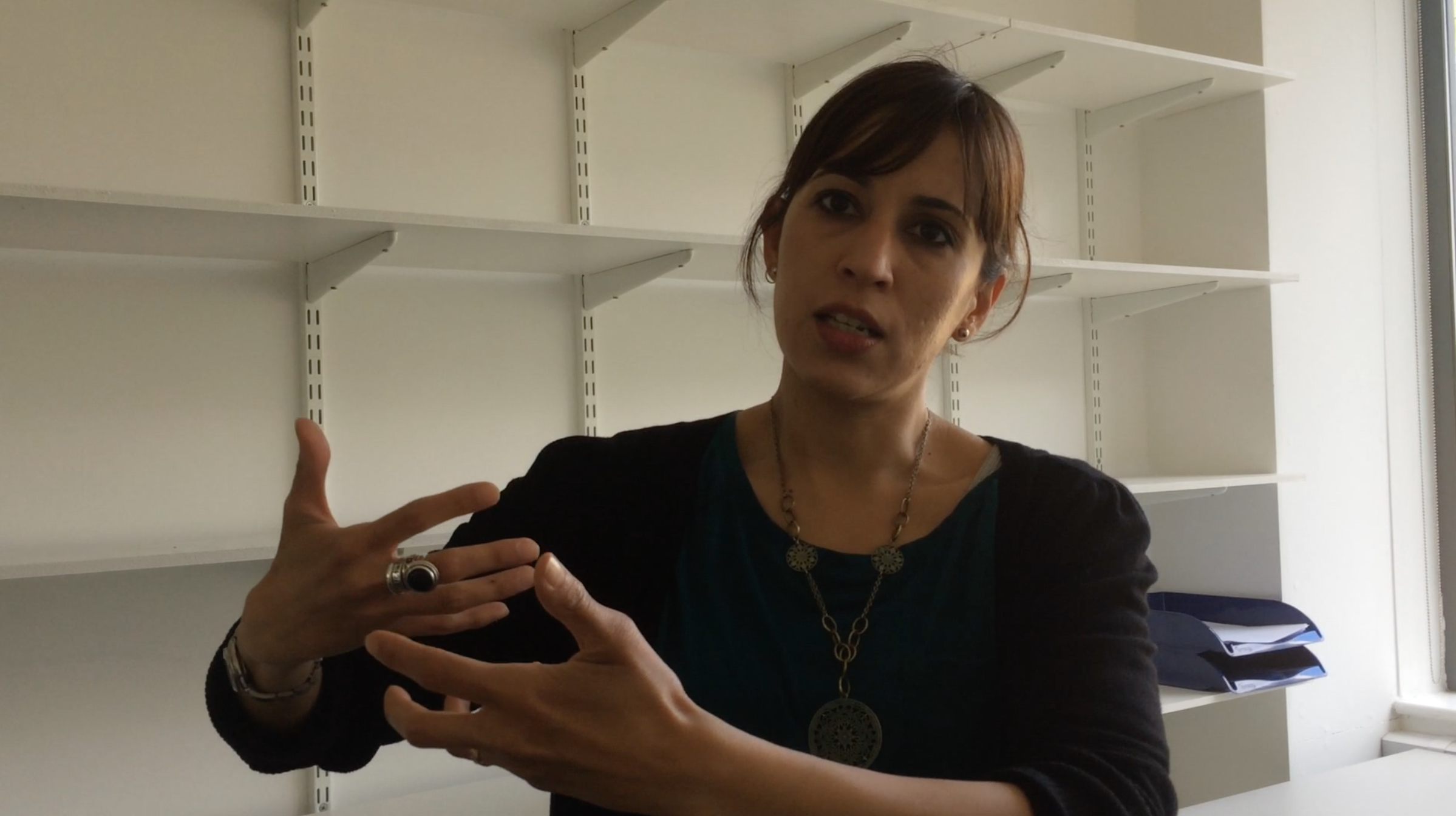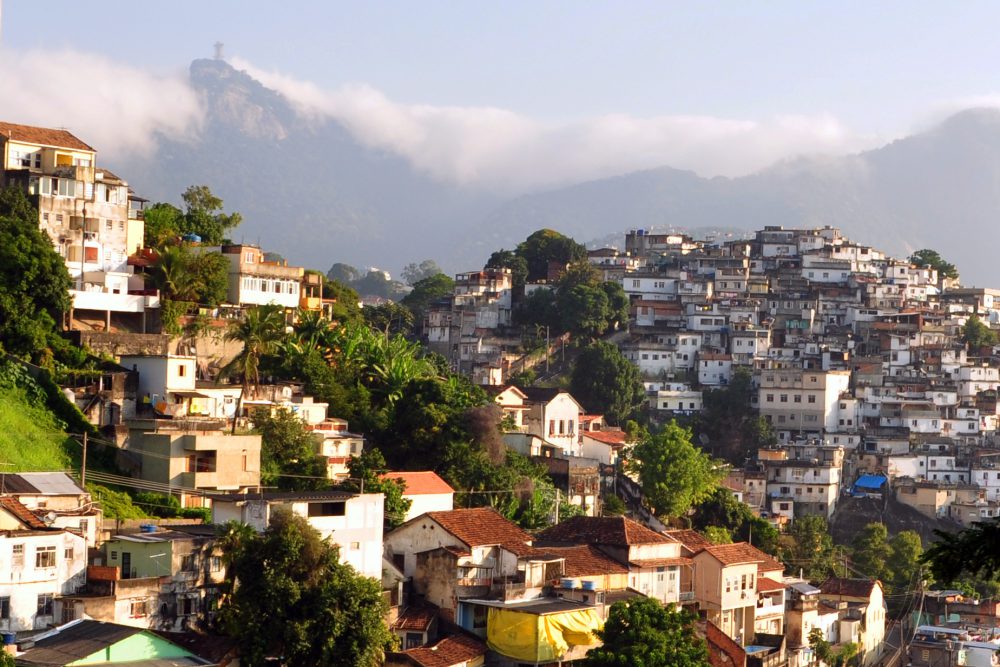
Camila Moraes presents her ongoing research on Brazilian favelas. She is concerned with the mobilization of these spaces as tourist attractions through various images and objects. Favelas of Rio de Janeiro became a product in view of the...
CEMORE BLOG POSTS
What’s Mobile: Mobility Practices and Systems of Mobilities
James Faulconbridge’s research focuses on the now central role of mobility in both day-to-day social life and in the reproduction of business practices. Drawing on and contributing to work on the ‘mobilities turn’ in the social sciences, as well as work...
SecInCoRe Co-Design Workshop
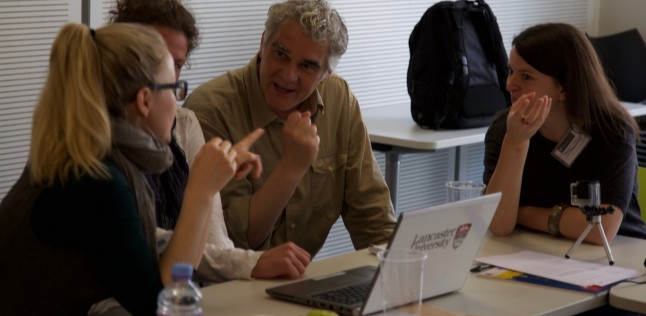
SecInCore Team Members engaged with an international group of disaster practioners and planners in a two-day workshop designed to delve into our concept and its design implications for the final year of the project. Participants included member of the Lancashire Local...
Four Scenarios of Future Urban E-mobility in China
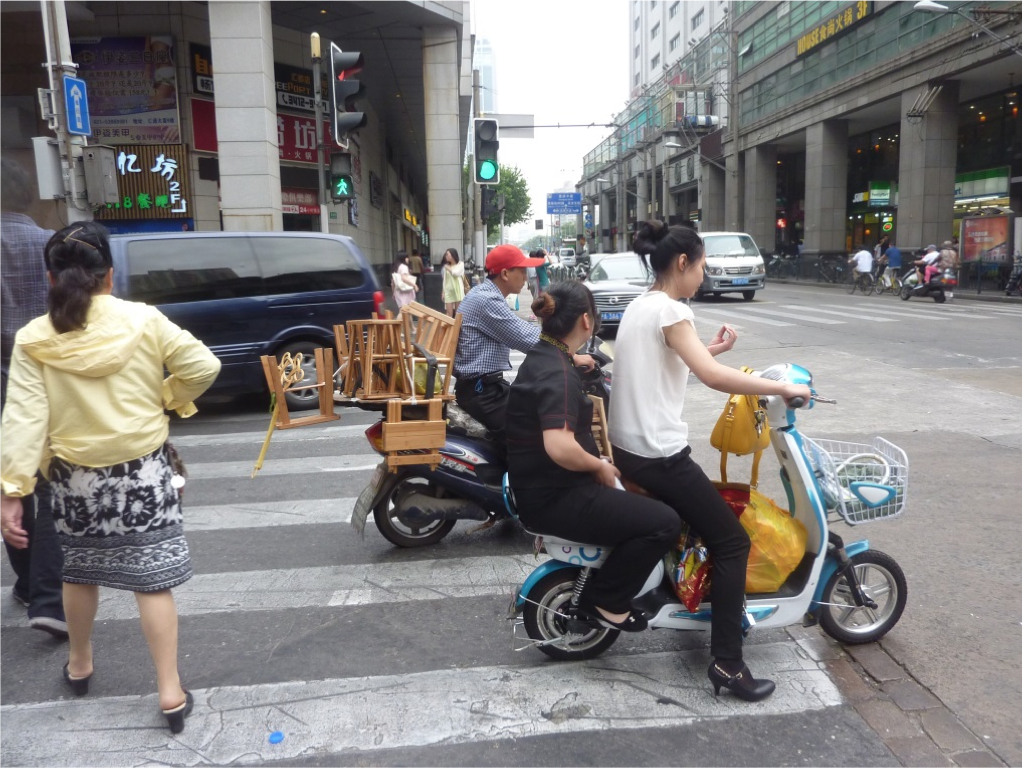
What will it be like to live in Chinese cities as e-mobility takes hold? This is the question that has been investigated by a team at CeMoRe, Lancaster University and the Graduate School at Shenzhen, Tsinghua University, since 2013 in a major project funded by the...
Art and Mobility on the Magdalen Islands (les Iles-de-la-Madeleine)
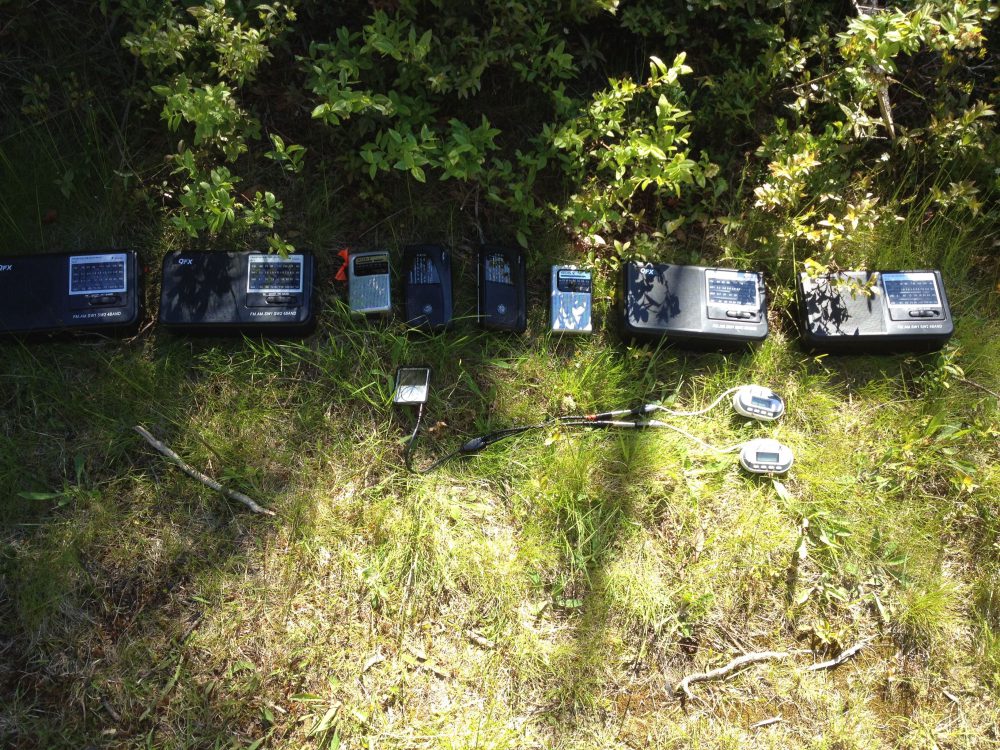
For three weeks (5 - 26 June 2016) I took part, as one of fifteen artists, in the Chant des pistes / Songlines artist residency on the Magdalen Islands archipelago in Quebec, Canada, hosted by AdMare Centre D'Artistes en Art Actuel and curated by Caroline Loncol...
What’s mobile: Smart Technologies in Everyday Life
Yolande Strengers discusses the mobile extensions of the home in the age of the Internet of Things. The Internet of Things and smart devices are increasingly entwined in the performances of local practices inside the home. However, they are also...
What’s Mobile: Disability, impairment and (im)mobility
Hannah Morgan, Lecturer in Sociology, discusses how disability studies relate with mobilities. My research interests lie predominantly in the field of disability studies and include the self-organisation and citizenship of disabled people; independent...
What’s mobile: Past Futures | 1851 to 2051
Carlos López Galviz, Lecturer in The Theory and Methods of Social Futures, tells us how past futures connect with mobility and place. I am interested in the relationship between the past and the future, particularly in the context of cities. One way of...
What’s mobile: Data Prototyping and Visualisation
Dan Richards, Lecturer in Data Prototyping and Visualisation, at Imagination Lancaster, talks about emerging design practices which require increased disciplinary and informational mobility. This research explores new interdisciplinary design practices...