Meet some of our tutors in Creative Writing

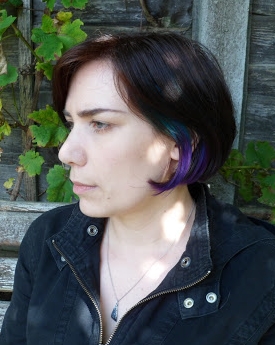
Dr Jenn Ashworth, Senior Lecturer in Creative writing

Dr Jenn Ashworth, Senior Lecturer in Creative writing

When I write I like to start with what I know: the places in the North of England where I’ve lived and grown up, the literary genres – crime, horror, the gothic and supernatural – that I’ve always loved – and the conundrums about faith, family, illness and what writing is for that I’ve spent a career thinking about. But no matter where I start, the blank page always seems to take me into unfamiliar places and ways of seeing the world anew, and is a mysterious process that allows me to explore the edges of what a form or a genre is capable of. I know that when I write I'm having a conversation not only with my reader, but also with many of the other novels and short stories I've read along the way so writing becomes a way of re-reading, and reading – closely and adventurously – is always the first stage in the writing process. I hope writing works that way for my students too: a way of bringing the unfamiliar into view, and of making the familiar persistently, incurably strange.

Jenn Ashworth's Profile
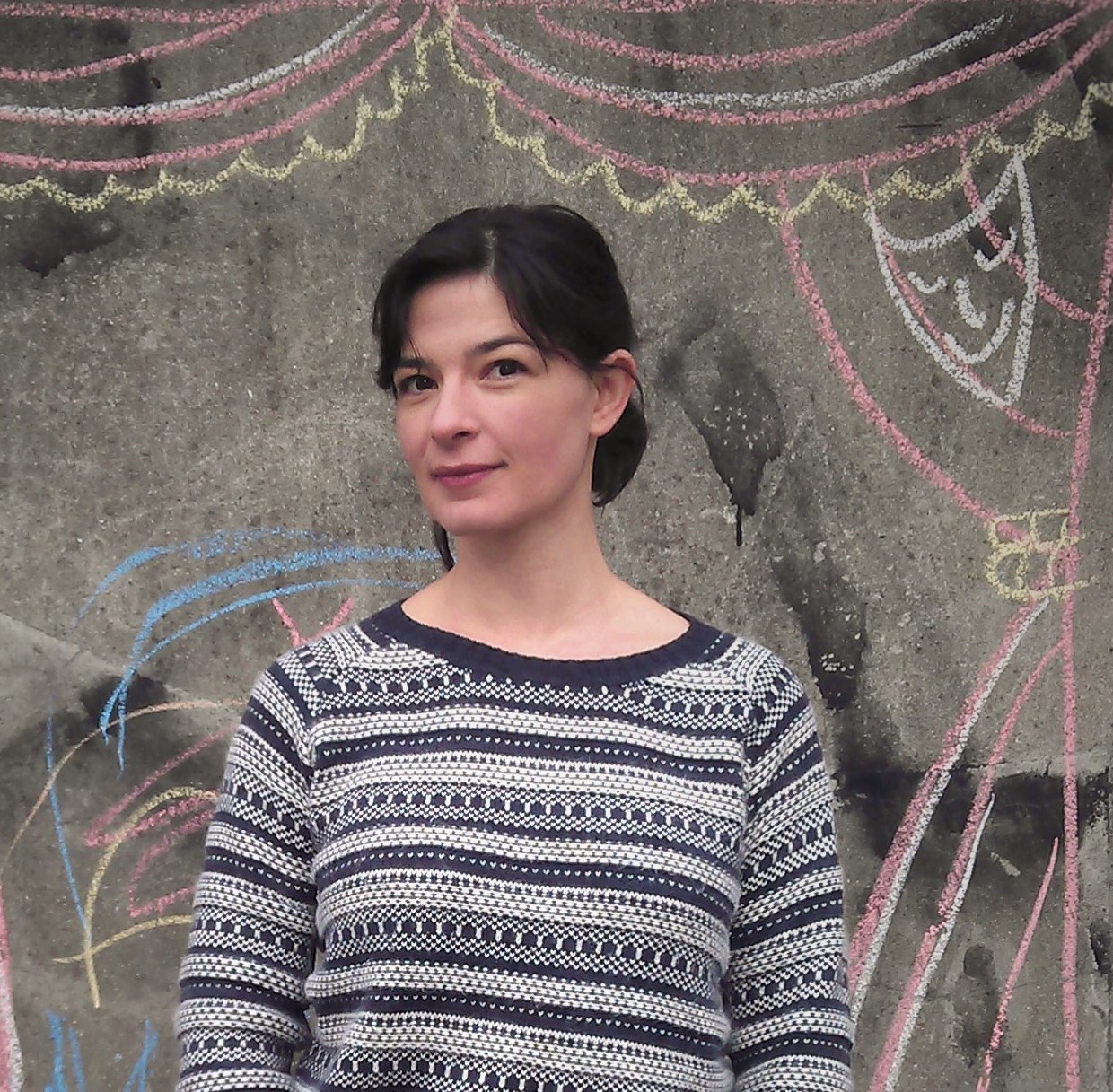
Dr Elen Caldecott: Lecturer in Creative Writing.

Dr Elen Caldecott: Lecturer in Creative Writing.

Like many writers, I began by writing fan fiction. I loved series like Enid Blyton’s Malory Towers books and – because I couldn’t bear to say goodbye to the characters – I wrote my own sequels. For years I kept my writing private, almost secret. I worked in a whole range of jobs – waitress, theatre usher, museum security guard – before finally feeling brave enough to share my words with the world. I write for children and young people. Partly, I think because my writing and reading experiences were so intense at that age, but also because I enjoy living in the hopeful space that art for young people inhabits. Children’s literature has a rich history, but it is also dynamic and inventive. It has to respond and speak to the way we life now. I mostly write contemporary fiction, with working-class children as my stars. Every now and again, a young reader will send me stories they’ve written inspired by my books, and it delights me that the creative baton is being handed on.

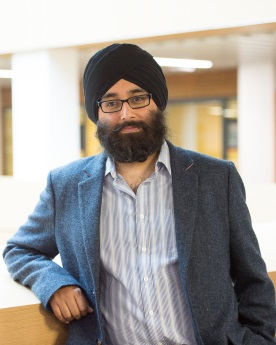
Dr Tajinder Hayer

Dr Tajinder Hayer, Lecturer in Creative Writing

I’ve ended up writing scripts for the stage and radio despite coming from a family background where there was little history of theatre attendance and no BBC Radio Four playing in the house in the afternoons. There were also not many books (consistent generational literacy only really started with my parents). There were, however, stories; not necessarily the epics or folk tales that we associate with oral storytelling, but a steady flow of village gossip that unfolded on to the urban and familial landscapes of Bradford, the West Midlands and Glasgow like a pop-up book. This overlap of cultural geographies has defined subsequently my writing, reading and viewing interests (with a liberal dash of fantasy and sf genres). It’s also made me keen to develop writing from underrepresented areas and writers.

Taj Hayer's Profile
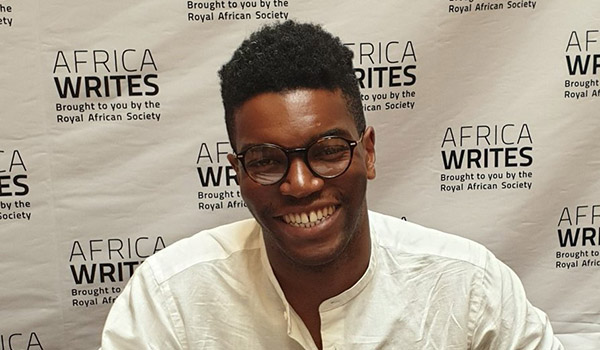
Okechukwu Nzelu: Lecturer in Creative Writing

Okechukwu Nzelu: Lecturer in Creative Writing

My debut novel was published in 2019, but I've been writing for as long as I can remember. As soon as I learned to write letters, words and sentences, writing stories seemed to be the next logical step. Like many writers, I began writing because it felt natural and fun; then, as I was growing up, the fiction and nonfiction of Arundhati Roy and Zadie Smith in particular have helped me find my voice. Writing still feels natural and fun but the older I get, the more I think about the different things that writing can do, and what purpose(s) my writing can serve. Now, as I write and as I edit, I think about every image, every allusion, every joke and how it contributes to the overall work. What kinds of humour can I bring to my writing? What am I saying about a character, by making certain writing choices? What am I saying about the themes that are close to my heart? With which techniques can I experiment, while still writing in a voice that feels like mine? I think these questions stay with you from the beginning, all the way through your writing life. They're challenging questions, and the answers shift and change with time and text and author, which is part of what makes teaching writing so much fun. My hope is for my students to develop a sense of their own voices while being aware of the multitude of voices around them and around the world.

Professor Catherine Spooner, Professor of Literature and Cultur

Professor Catherine Spooner, Professor of Literature and Culture

I discovered Gothic aged fourteen via The Cure, and scandalised my parents by dying my hair black and smothering myself in eyeliner. Then at A-level I studied Mary Shelley’s Frankenstein, and realised there was a whole world of Gothic literature out there to enjoy – from Ann Radcliffe to Angela Carter. But I never quite lost sight of the music and fashion that had drawn me to Gothic in the first place. I remain fascinated with the intersections between Gothic literature and film, fashion and popular culture. A typical research day for me might involve close-reading Victorian novels, or scrutinising the imagery used by fashion shoots in Vogue. What I love about Lancaster is that its open-minded, cutting-edge approach allows me to combine both – and share them with my students in classes like ‘Victorian Gothic’, where we use nineteenth-century painting and photography to contextualise fictions of vampires, werewolves and ghosts.

Catherine Spooner's Profile
Dr Eoghan Walls

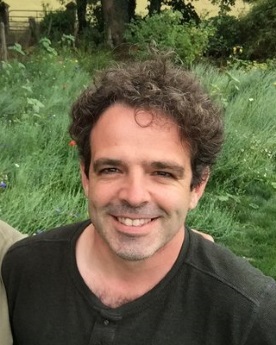
Dr Eoghan Walls, Lecturer in Creative Writing

Writing was a shameful secret for me when I was a student. I would read promiscuously - Emily Dickinson, Stephen King, Gerard Manley Hopkins, Stan Lee - but kept my own writing hidden. Like it was a precious bloom that might wither if I shared it. When I eventually came out to other writers in my mid-twenties it was the best thing I ever did. Responding to other engaged readers helped me to see what wasn't working in my poetry, but also what was working, and areas I could push. Making experimental statements to see how they chimed off readers. It let me take risks, write weirdly, write better. So as an academic - and as a creative writing tutor - I see this as my first role: to offer an engaged reading of the students' work - both to hone their work and to encourage risk.

Eoghan Walls' Profile