Locations and environments

  • Litcraft: Bringing the Text to Life

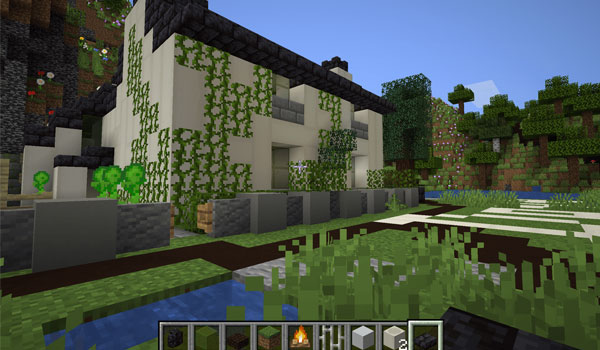
    Litcraft was created in 2018 by academics at Lancaster University and became a social enterprise in 2024. It is a unique and innovative series of resources for impact that work to re-engage readers by connecting the reading of a fictional work to a Minecraft world-build that corresponds directly to it. Each resource consists of a booklet for teachers with lesson plans; the world build in Minecraft; the map from the front of the book that can be used in both spaces. Our builds are aimed at ages 8-12 and include: Treasure Island; Kensuke's Kingdom and Wolf Brother. All resources are free and downloadable from the Litcraft website or from Minecraft.edu.

  • The Adventures of Sherlock Holmes in Minecraft

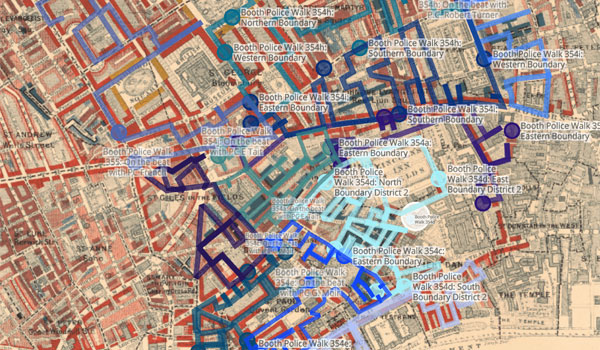
    From 2023-25, Litcraft worked with prestigious Minecraft company Blockworks to create a large map of Victorian London with embedded interactive narratives from The Adventures of Sherlock Holmes. This goes live on the Minecraft Marketplace from Autumn 2026 available to the general public at no cost. The world build is based on Charles Booth's map of London Poverty so we also made a second build for the Booth Archive at LSE Library.

Dove cottage in Grasmere, Wordsworth house

Histories and Legacies of Colonialism in Literary House Museums

This AHRC Research Network brought together academics, museum personnel, consultants, stakeholders and community groups to investigate the colonial links of Romantic-period literary house museums and how heritage sites and museums can understand and represent the complex histories of the locations and objects they preserve.

As a partnership between Lancaster University and the Wordsworth Trust, the network began by considering Wordsworth Grasmere, a site that includes Dove Cottage, the residence from 1799-1808 of Dorothy and William Wordsworth and from 1809-1820 of Thomas De Quincey. Further network events were held at Keats House, London and Lancaster Castle. Involved organisations included: Anti Racist Cumbria; Carlyle House; Charles Dickens Museum; Dr Johnson House; Historic Houses; Jane Austen House; John Bunyan Museum and Library; Keats House; Museumand; Newstead Abbey (Byron); and Poetry Vs Colonialism.

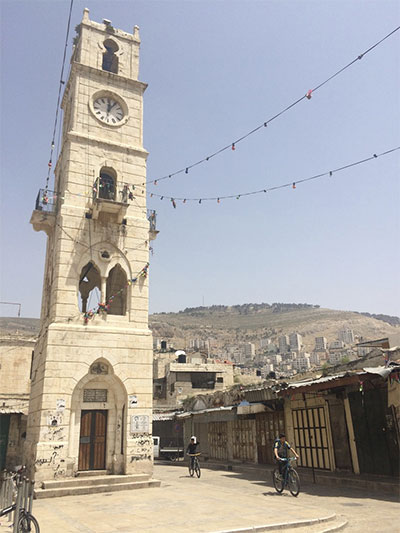
A brick built clock tower with a wooden door at base
Copyright Lindsey Moore 2019

Countermapping Urban Palestine

Starting with a pilot map of Nablus, we show how cities across historic Palestine are storied and ‘countermapped’ through textual and other narrative practices.

The project has been supported by a British Academy Small Research Grant, a Council for British Research in the Levant Networking Grant, and the Faculty of Humanities, Arts and Social Sciences.

The Nablus pilot project brought together colleagues at Lancaster, An-Najah National University of Palestine, and the University of Jordan.

Countermapping Urban Palestine
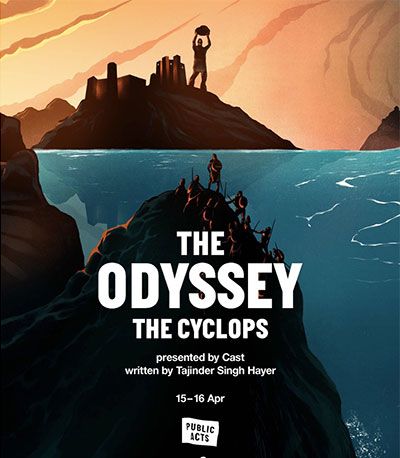
The Odyssey poster credit National Theatre
Photo credit: The National Theatre

The Cyclops in Doncaster

In 2022-23, the National Theatre undertook a multi-regional public-facing theatre project that targeted many communities underserved by art. The Odyssey looked to frame the epic as a ‘universal story of resilience, loss, healing and hope’ with community performances across England.

Tajinder Singh Hayer wrote the adaptation of the Cyclops episode for and with community participants in Doncaster. A range of partner organisations were involved (Cast Theatre, Doncaster; b:friend Doncaster; Changing Lives Doncaster Conversation Club; darts community arts; Right Up Our Street).

The final piece was performed at Cast Doncaster 15-16 April 2023.

FHASS Centre for Mobilities Research

Lancaster's Centre for Mobilities Research (CeMoRe) was established by John Urry and Mimi Sheller in 2003 and is the recognised 'home' of Mobilities Studies, an interdisciplinary field whose focus on the mobilities and immobilities of humans, non-humans, objects, goods, technologies, information and knowledge sheds new light on the contemporary and historical world.

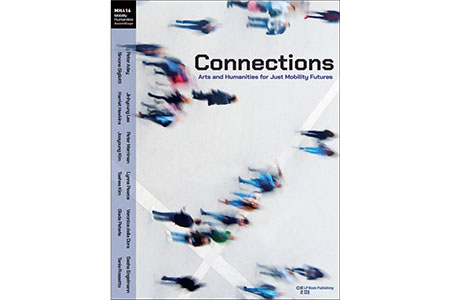
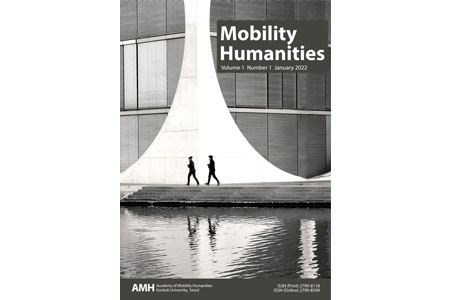
Following a colloquium held at Lancaster in 2014, co-hosted by English Literature, a buoyant new subfield emerged – 'Mobility Humanities' – which has led to the creation of new journals, book series and research projects, as well as two international centres in Italy (University of Padua) and South Korea (Konkuk University) with whom we have research and teaching partnerships.
Ecologies

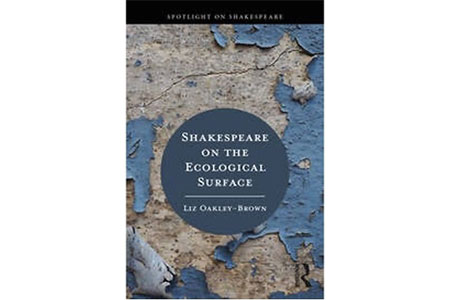
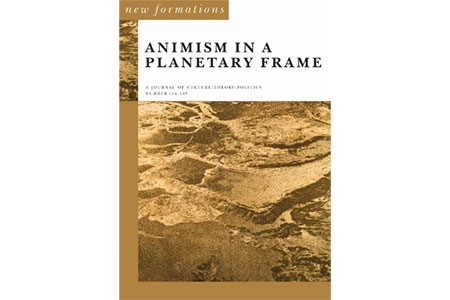
Our research explores literary history and cultural theory as it intersects with the environmental humanities more broadly. We range from the medieval period to today, and from the scales of the local and regional to the planetary. Key areas of interest include: land ownership, law and the afterlives of enclosure; Shakespeare’s ecologies; the more-than-human, from the soil to plants to glaciers; animism and Indigenous literary aesthetics in a planetary age; and sandscapes and mountainscapes.

Logo for transcultural writing is a map of the world surrounded by writing

Transcultural Writing, Practice and Research Network​

The Transcultural Writing, Practice and Research Network creates, researches, and promotes writing and other artistic practices across cultures and their transformational impact on society and global relations. The Network is co-run between the School of Arts and the School of Global Affairs.

Transcultural Writing, Practice and Research Network​