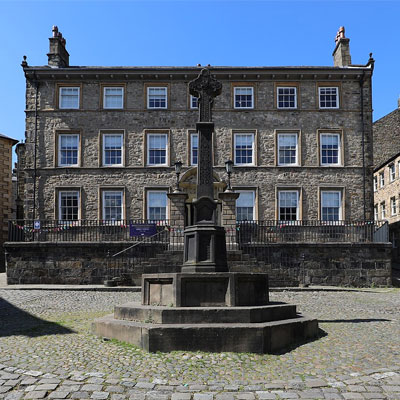
Lancaster Maritime Museum
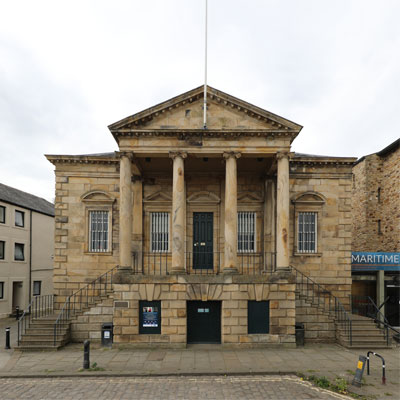
Lancaster Maritime Museum offers a different, but equally important, perspective on crime, focusing on the seafaring world, global trade, and the darker side of Britain’s maritime history. Housed in former warehouses by the River Lune, the museum traces Lancaster’s past as a bustling port involved in everything from shipbuilding to international commerce, including its role in the transatlantic slave trade. For criminologists, this opens up conversations about economic crime, state crime, exploitation, and how entire systems can be built on injustice.
Beyond the big historical themes, the museum also brings to life the everyday challenges of port cities: smuggling networks, illegal cargo, press gangs, drunken disorder, and the rough underbelly of dockside life. Exhibits on sailors’ lives, customs enforcement, and naval discipline help connect these stories to broader criminological concepts. Visiting the Maritime Museum encourages students to think about crime on a global scale - not just individual acts, but the economic and political forces behind them. It’s a space where local history intersects with international issues, showing how Lancaster’s waterfront played a role in shaping patterns of crime, power, and inequality.