
People
Faculty Office Staff
Pro-Vice Chancellor of Arts, Humanities, Management and Social Sciences
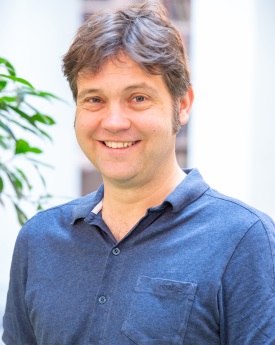
Professor Paul Ashwin
Professor, Interim Pro-Vice-Chancellor of Arts, Humanities, Management and Social SciencesCentre for Higher Education Research and Evaluation, Centre for Social Justice and Wellbeing in Education
Deputy Dean

Professor Caron Gentry
Deputy Dean, Head of School of Global Affairs, Professor of Gender and International RelationsAssociate Dean for Education
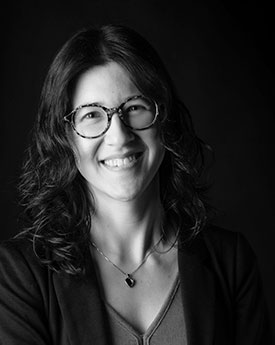
Dr Allison Hui
Senior Lecturer in SociologyCeMoRe - Centre for Mobilities Research, Migrancy Research Group
Associate Dean for Engagement
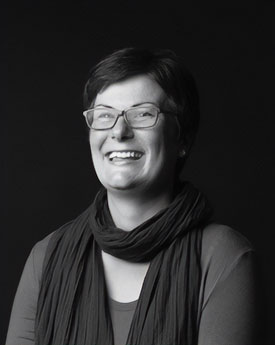
Professor Charlotte Baker
Professor of French and Critical Disability StudiesAfrican Studies Group, FHASS Health Hub, Multilingual Creativities, Performing Identities, Poetics of Resistance
Associate Dean for Global
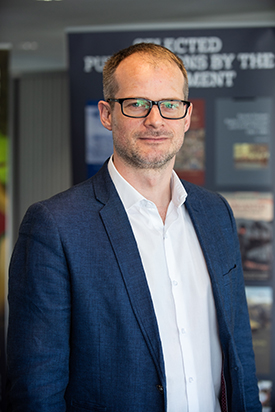
Professor Marco Wyss
Associate Dean for Global, Professor of International History and SecurityCentre for War and Diplomacy
Associate Dean for Research
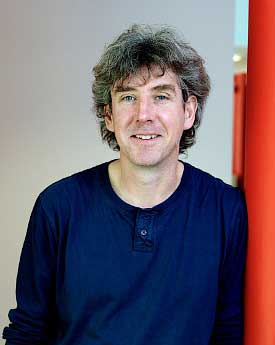
Professor Ian Gregory
Distinguished Professor of Digital HumanitiesDigital Humanities Centre, DSAIL - Society
Director of Marketing and Recruitment
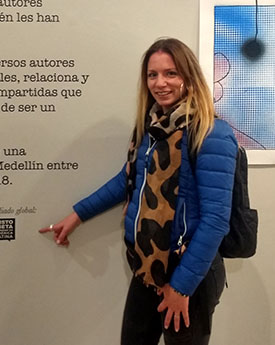
Dr Alana Jackson
Teaching Fellow in Spanish Studies, Director of Marketing and RecruitmentDirector of Postgraduate Research and Research Training
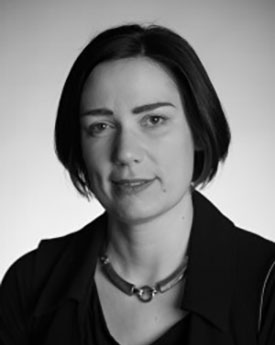
Professor Catherine Spooner
Director of Postgraduate Research and Research Training, Professor of Literature and CultureCreative Writing, Gothic and Science Fiction, Literature, Space and Place, Literature, the Arts, Media and Performance
Director of Postgraduate Teaching

Romain Bardot
Director of Postgraduate Teaching, Senior Teaching FellowDirector of Undergraduate
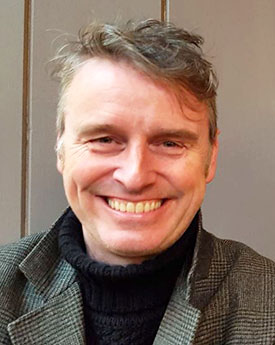
Professor Michael Doherty
Director of Undergraduate, Professor of Legal Design and Associate Head (Student Experience)Co-Directors of EDI
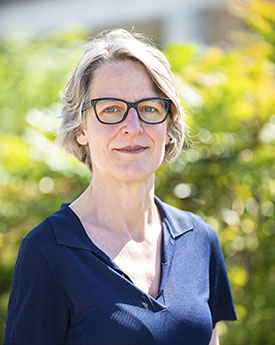
Professor Uta Papen
Director of Equality, Diversity and Inclusion, Professor of Literacy StudiesFHASS Health Hub, Lancaster Literacy Research Centre, LIP - Language, Ideology and Power Group
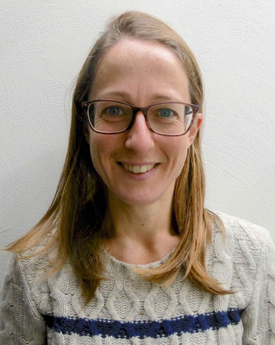
Professor Claire Nance
Professor of PhoneticsPhonetics Lab
Director of Strategic Research Funding

Professor Leon Cruickshank
Interim Director of Strategic Research Funding, Professor of Design and Creative ExchangeCentre for Sustainable Soils, Evaluation, Health Equity Network, HighWire Doctoral Training Centre, Imagination Lancaster, Practices, School of Design
AHRC NWCDTP Academic Lead

Dr Sam Clark
Senior LecturerCentre for War and Diplomacy, FHASS Health Hub
Faculty Manager
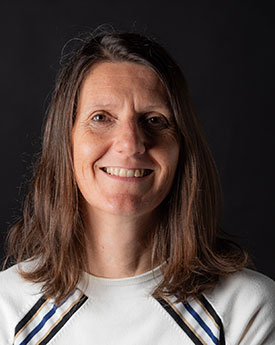
Dr Jemma Henderson
Faculty ManagerMorecambe Bay Curriculum
Resources

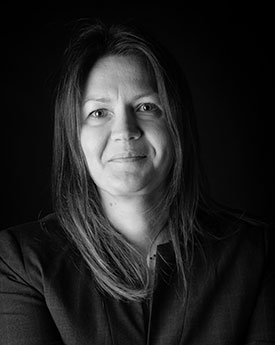


Victoria Sharp
Faculty Officer - Resources
Victoria Robertshaw
Departmental Officer, Faculty Officer - Research and Engagement

Student Experience

Rebecca Johnson
Faculty Education Services Manager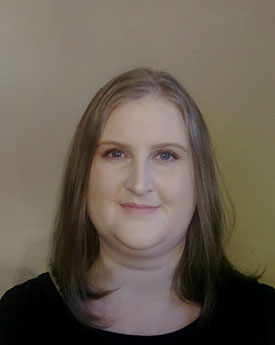
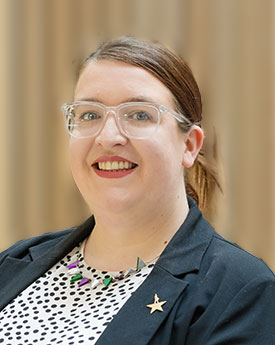
Amanda Weston
Faculty Employability Officer
Morecambe Bay Curriculum


All Faculty Staff
- Selected letter: All
Loading People
We couldn't find anybody who matched your criteria

Morecambe Bay Curriculum

Lancaster Literacy Research Centre, LTRG - Language Testing Research Group


Pentland Centre
Regulation, Enterprise, and Society










LTRG - Language Testing Research Group









Centre for War and Diplomacy




Ethics Values and Policy Initiative , Richardson Institute for Peace Studies
Centre for Higher Education Research and Evaluation, Centre for Social Justice and Wellbeing in Education
Authors and the World, Creative Writing, Creative-Critical Writing, Digital Humanities, Gothic and Science Fiction, Literature and Religion, Literature, Space and Place, Literature, the Arts, Media and Performance
Cultures, Insight, Practices
Culture and Communication Research Network (CULCOM), DisTex - Discourse and Text Research Group, FHASS Health Hub







Literature, Space and Place, Wordsworth Centre
African Studies Group, FHASS Health Hub, Multilingual Creativities, Performing Identities, Poetics of Resistance

ESRC Centre for Corpus Approaches to Social Science
DisTex - Discourse and Text Research Group, ESRC Centre for Corpus Approaches to Social Science, UCREL - University Centre for Computer Corpus Research on Language
Imagination Lancaster








Imagination Lancaster, School of Architecture


Multilingualism and Cognition Research Group


Cultures, Insight






Centre for Gender Studies
Cultures, Insight





Institute for Social Futures Fellow, Law with and for People, Security Lancaster (Policy, Law and Ethics)
Evaluation, Imagination Lancaster, Makers , More than Human , School of Architecture, Worldbuilding
Centre for Higher Education Research and Evaluation, Centre for Technology Enhanced Learning



Cultures, Imagination Lancaster


DSAIL - Society, Health & Wellbeing , Imagination Lancaster, School of Design, Social Design , Space & Place
Multilingualism and Cognition Research Group, Research Group in Cognitive Linguistics



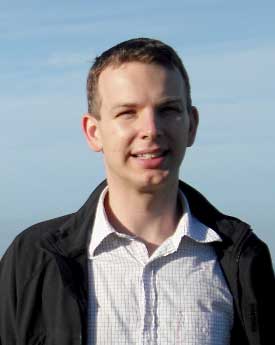
ESRC Centre for Corpus Approaches to Social Science

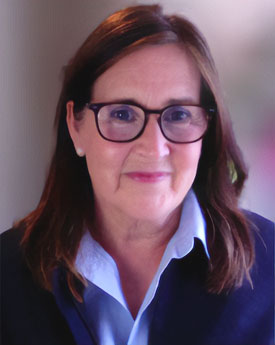
Centre for Alternatives to Social and Economic Inequalities, Centre for Child and Family Justice Research, DSAIL - Society
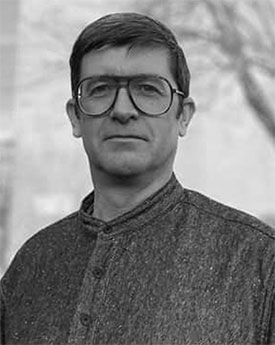
Cultures, Imagination Lancaster, School of Architecture
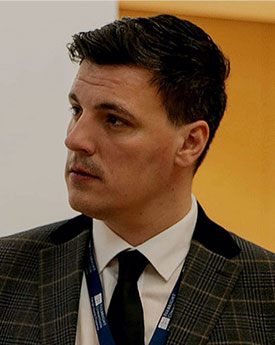


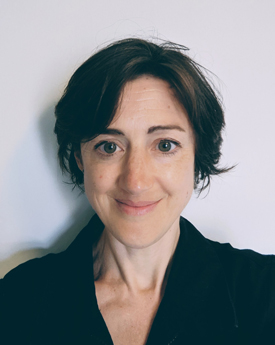
Centre for Child and Family Justice Research
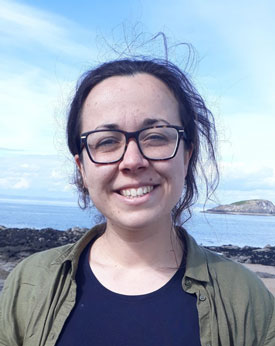
Phonetics Lab
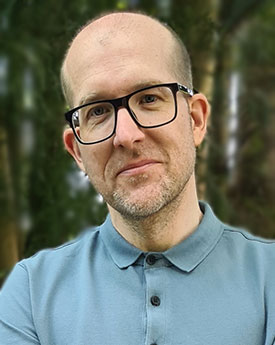
Centre for War and Diplomacy

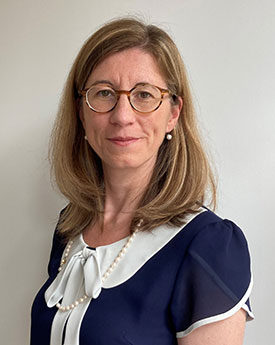
LTRG - Language Testing Research Group

Centre for Higher Education Research and Evaluation, Centre for Social Justice and Wellbeing in Education


Security Lancaster (Behavioural Science), Security Lancaster (Policing), Security Lancaster (Policy, Law and Ethics), Security Lancaster (Secure Machine Learning and Intelligence), Security Lancaster (Societal Threats), Security Lancaster (Sociology)

CeMoRe - Centre for Mobilities Research, Centre for Alternatives to Social and Economic Inequalities, Centre for Science Studies, Energy and Society, Evaluation, Imagination Lancaster, Institute for Social Futures Fellow, Mobilities.Lab, Security Lancaster (Policy, Law and Ethics), Security Lancaster (Sociology)
Digital Humanities, Institute for Social Futures Fellow, ISF Fellows 2019/20, Literature, Space and Place, Wordsworth Centre



Centre for Sustainable Soils, Imagination Lancaster, School of Architecture, Space & Place

Centre for Gender Studies, Centre for War and Diplomacy, Dynamics of Memories
Regulation, Enterprise, and Society


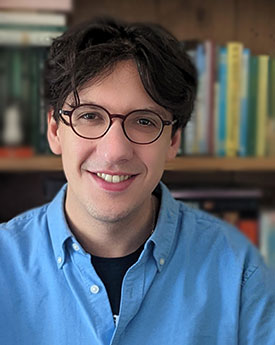
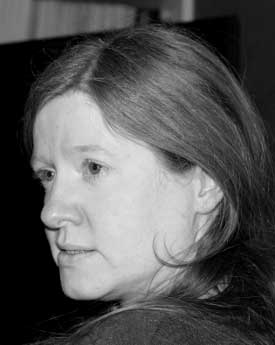
Creative-Critical Writing, Literature and Religion, Literature, Space and Place, Literature, the Arts, Media and Performance, Morecambe Bay Curriculum

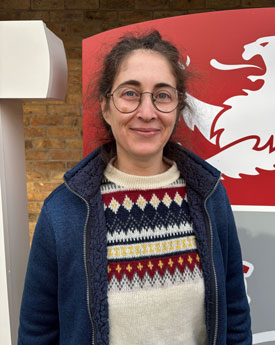
Brain and Bilingual Experience Lab (BaBEL), Multilingualism and Cognition Research Group, Research Group in Cognitive Linguistics
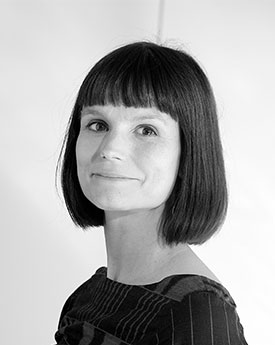
Insight, Practices







Centre for Higher Education Research and Evaluation, Centre for Social Justice and Wellbeing in Education, Centre for Technology Enhanced Learning
Centre for Crime, Law and Justice, Centre for Gender Studies, Security Lancaster (Policy, Law and Ethics), Security Lancaster (Security Futures), Security Lancaster (Societal Threats)



Centre for War and Diplomacy, Richardson Institute for Peace Studies

Centre for Social Justice and Wellbeing in Education

Centre for Alternatives to Social and Economic Inequalities, Centre for Gender Studies

Regulation, Enterprise, and Society
Centre for War and Diplomacy, FHASS Health Hub








Imagination Lancaster, School of Architecture


Security Lancaster (Policy, Law and Ethics)

Security Lancaster (Behavioural Science), Security Lancaster (Societal Threats)
Centre for War and Diplomacy






Energy Lancaster, Evaluation, Imagination Lancaster, Morecambe Bay Curriculum, School of Architecture, Space & Place

Imagination Lancaster, More than Human




Centre for Gender Studies
Centre for Sustainable Soils, Evaluation, Health Equity Network, HighWire Doctoral Training Centre, Imagination Lancaster, Practices, School of Design
Digital Humanities Centre, DisTex - Discourse and Text Research Group, ESRC Centre for Corpus Approaches to Social Science, UCREL - University Centre for Computer Corpus Research on Language

Centre for Sustainable Soils, DSAIL - Society, Evaluation, Imagination Lancaster, School of Design

Centre for Child and Family Justice Research, DSAIL - Society


FHASS Health Hub, Queer Medical Humanities Network , Transcultural Writing, Practice and Research Network

CeMoRe - Centre for Mobilities Research, Mobilities.Lab





Environmental Science, Sustainable Catchments

Centre for Child and Family Justice Research


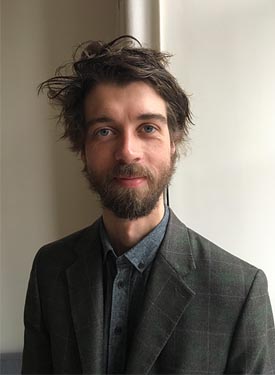
Literature, Space and Place
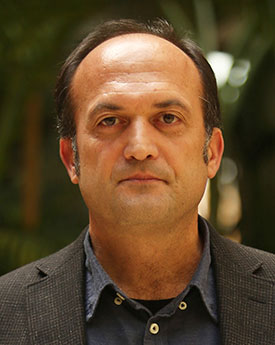



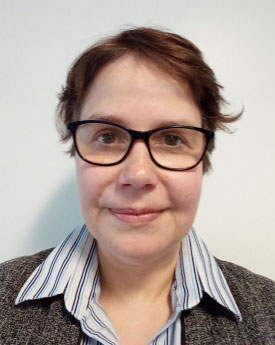
Centre for Child and Family Justice Research

Centre for Higher Education Research and Evaluation








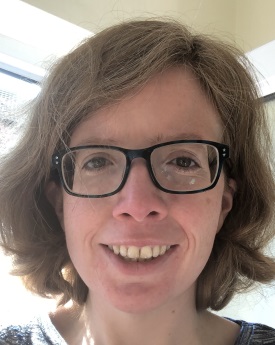
Centre for Child and Family Justice Research

Literature and Religion
Institute for Social Futures Fellow, Law with and for People, Security Lancaster (Policy, Law and Ethics), Security Lancaster (Sociology)

Digital Humanities, Literature, Space and Place, Literature, the Arts, Media and Performance
Creative-Critical Writing, Gothic and Science Fiction, Literature, the Arts, Media and Performance

Ethics Values and Policy Initiative

DSAIL - Society, DSAIL- Environment, Evaluation, Imagination Lancaster, Morecambe Bay Curriculum, School of Architecture, Space & Place





Creative Writing, Creative-Critical Writing, Digital Humanities, Literature, Space and Place






Centre for Gender Studies

Health & Wellbeing , More than Human

Digital Humanities, Literature and Religion, Literature, Space and Place, Literature, the Arts, Media and Performance, Shakespeare Programme
Centre for Gender Studies, Migrancy Research Group


Centre for Child and Family Justice Research


Centre for Alternatives to Social and Economic Inequalities, Centre for Child and Family Justice Research, Centre for Gender Studies, DSAIL - Society

Migrancy Research Group, Security Lancaster (Security Futures), Security Lancaster (Societal Threats)


CeMoRe - Centre for Mobilities Research, Centre for Alternatives to Social and Economic Inequalities, Centre for Gender Studies, Migrancy Research Group, Mobilities.Lab


ESRC Centre for Corpus Approaches to Social Science


Centre for Social Justice and Wellbeing in Education, Lancaster Evaluation Group, Morecambe Bay Curriculum
Philosophy of Mind and Psychology
Morecambe Bay Curriculum




Centre for War and Diplomacy, ESRC Centre for Corpus Approaches to Social Science, Richardson Institute for Peace Studies

Morecambe Bay Curriculum, Pentland Centre

Ethics Values and Policy Initiative
Centre for War and Diplomacy, Cultures, Transcultural Writing, Practice and Research Network

CeMoRe - Centre for Mobilities Research, Lancaster Literacy Research Centre

Security Lancaster (Policy, Law and Ethics), Security Lancaster (Sociology)






Latin America Research Cluster, Poetics of Resistance, Transcultural Writing, Practice and Research Network
Evaluation, Imagination Lancaster, School of Design, Worldbuilding
Authors and the World, Multilingual Creativities, Transcultural Writing, Practice and Research Network

Literature, Science and Medicine

Centre for War and Diplomacy

Digital Humanities Centre, DSAIL - Society

Evaluation, Imagination Lancaster, Practices


Centre for the Study of Environmental Change
Professor Chris Grover
Deputy Head of School - School of Social Sciences, Professor in Social PolicyCentre for Alternatives to Social and Economic Inequalities, Centre for Child and Family Justice Research, Centre for Crime, Law and Justice


Evaluation, Imagination Lancaster



Centre for Gender Studies, Centre for Science Studies, Centre for Social Justice and Wellbeing in Education, Centre for Technology Enhanced Learning, Lancaster Literacy Research Centre

Literature and Religion, Literature, Space and Place

DisTex - Discourse and Text Research Group, ESRC Centre for Corpus Approaches to Social Science, Forensic Linguistics Research Group , Security Lancaster (Behavioural Science)
ESRC Centre for Corpus Approaches to Social Science
LTRG - Language Testing Research Group

Centre for Child and Family Justice Research, Centre of Excellence in Environmental Data Science

Centre for Gender Studies, Cultures, Insight, Practices

DisTex - Discourse and Text Research Group, LIP - Language, Ideology and Power Group, Research Group in Cognitive Linguistics

Centre for Child and Family Justice Research

Creative Writing, Gothic and Science Fiction, Literature, Science and Medicine, Literature, Space and Place, Literature, the Arts, Media and Performance, Transcultural Writing, Practice and Research Network







Centre for Child and Family Justice Research, Law with and for People



Centre for War and Diplomacy
Cultures
Morecambe Bay Curriculum




Morecambe Bay Curriculum
Centre for Gender Studies, Literature and Religion, Literature, Science and Medicine, Literature, Space and Place
Culture and Communication Research Network (CULCOM)






Centre for Gender Studies, Centre for Higher Education Research and Evaluation, Centre for Social Justice and Wellbeing in Education, REAP - Researching Equity Access and Participation


Centre for War and Diplomacy

CeMoRe - Centre for Mobilities Research, Migrancy Research Group

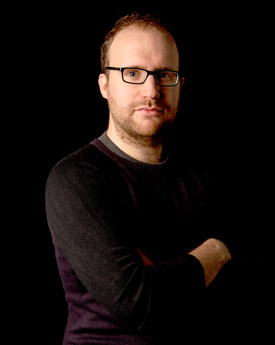
FHASS Health Hub, Institute for Social Futures Fellow



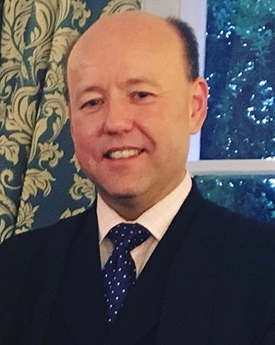
Continental Philosophy and Critical Theory
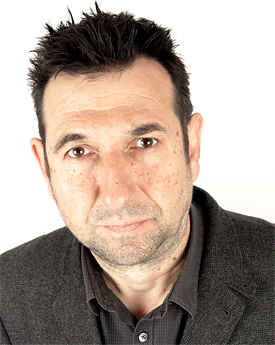
Centre for Crime, Law and Justice



Lancaster Literacy Research Centre

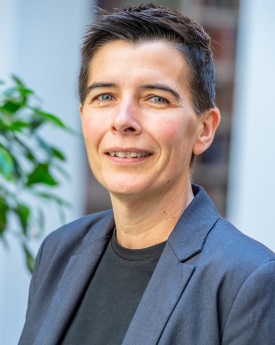
Centre for Gender Studies, Centre for Higher Education Research and Evaluation, Centre for Social Justice and Wellbeing in Education
Energy Lancaster, Fan Studies Lancaster, Imagination Lancaster, Lancaster Intelligent, Robotic and Autonomous Systems Centre, School of Design


Centre for Gender Studies
Centre for Alternatives to Social and Economic Inequalities, CPERC - Cultural Political Economy Research Centre






DSAIL - Society

Institute for Social Futures Fellow, ISF Fellows 2019/20, Morecambe Bay Curriculum, Practices
Centre for Technology Enhanced Learning
Cultures, Insight, Practices












Literature and Religion
Cyber Security Research Centre (PPR), Security Lancaster (Academic Centre of Excellence)
LTRG - Language Testing Research Group
Centre for Child and Family Justice Research, Energy Lancaster





Centre for Higher Education Research and Evaluation, Centre for Scholarship and Innovation in Management Education, Centre for Social Justice and Wellbeing in Education, Centre for Technology Enhanced Learning, Institute for Social Futures Fellow, Morecambe Bay Curriculum
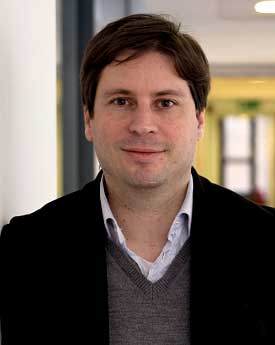
Security Lancaster (Academic Centre of Excellence), Security Lancaster (Policy, Law and Ethics), Security Lancaster (Security Futures), Security Lancaster (Societal Threats)
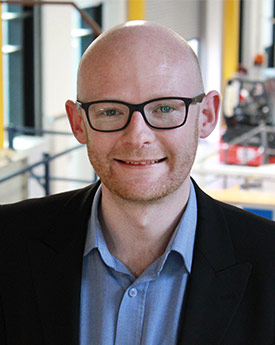
Lancaster Product Development Unit
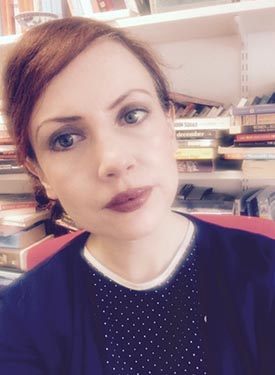
Creative Writing, Literature, Science and Medicine, Literature, the Arts, Media and Performance

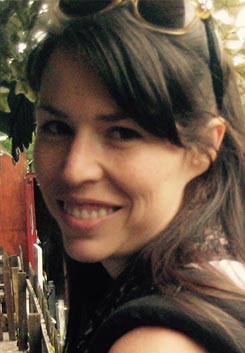
FHASS Health Hub
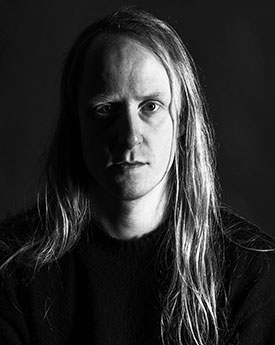
Creative Writing, Gothic and Science Fiction



Human rights and global vulnerabilities












Regulation, Enterprise, and Society



Evaluation, Imagination Lancaster, More than Human , School of Design, Security Lancaster (Sociology)






Phonetics Lab



CeMoRe - Centre for Mobilities Research, Cultures, Evaluation, Imagination Lancaster, Institute for Social Futures - Leadership Team, ISF Anniversary Lecturers, Morecambe Bay Curriculum


Centre for War and Diplomacy, Energy Lancaster
Richardson Institute for Peace Studies

Law with and for People, Security Lancaster (Policy, Law and Ethics)







Cultures, DSAIL - Society, Insight, Practices

Centre for Social Justice and Wellbeing in Education
Centre for Alternatives to Social and Economic Inequalities



Centre for Alternatives to Social and Economic Inequalities, Centre for Child and Family Justice Research, Centre for Gender Studies, Gambling Resilience and Community Engagement Network, Security Lancaster (Policing), Security Lancaster (Sociology)
Centre for War and Diplomacy

Imagination Lancaster, School of Architecture

Centre for Higher Education Research and Evaluation, Centre for Social Justice and Wellbeing in Education, Morecambe Bay Curriculum



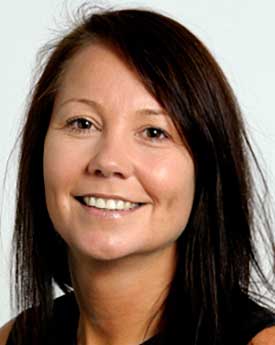

Law with and for People, Policing Academic Centre of Excellence, Richardson Institute for Peace Studies

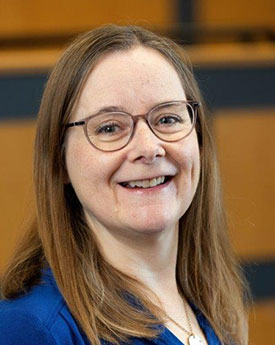



Centre for Gender Studies, Centre for Science Studies




Centre for War and Diplomacy
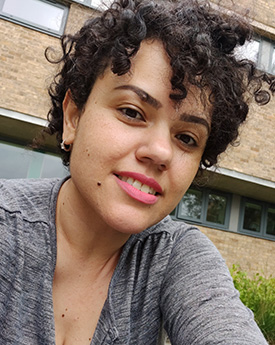
Critical Geographies, Energy Lancaster


Lancaster Intelligent, Robotic and Autonomous Systems Centre, LIRA - Society and Human Behaviour, Security Lancaster (Sociology)
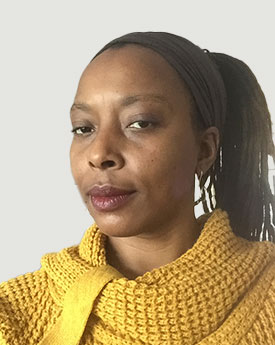
Centre for Scholarship and Innovation in Management Education, Imagination Lancaster, School of Architecture
Centre for War and Diplomacy


Latin America Research Cluster





Centre for Gender Studies, Literature and Religion, Richardson Institute for Peace Studies, Transcultural Writing, Practice and Research Network

Centre for Alternatives to Social and Economic Inequalities, Centre for Child and Family Justice Research, Institute for Social Futures Fellow
African Studies Group, Authors and the World, Creative Writing, Transcultural Writing, Practice and Research Network
Centre for Ageing Research, Centre for Alternatives to Social and Economic Inequalities, Centre for Gender Studies, Centre for Science Studies

Creative Writing, Creative-Critical Writing, Literature, Space and Place, Literature, the Arts, Media and Performance
Cultures, Imagination Lancaster


Digital Humanities Centre


Culture and Communication Research Network (CULCOM)



Centre for Science Studies, DisTex - Discourse and Text Research Group

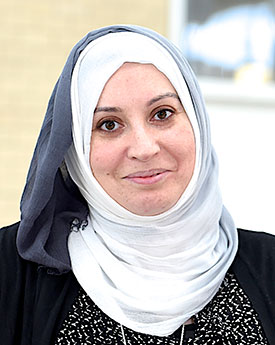
Phonetics Lab


Centre for Gender Studies

Morecambe Bay Curriculum, Pentland Centre


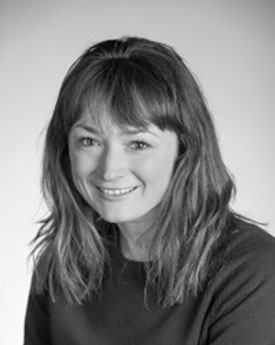


Cultures


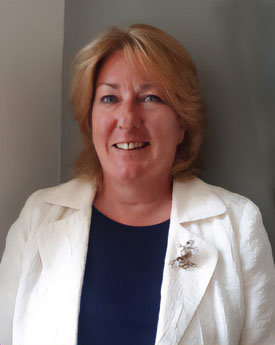

Centre for Higher Education Research and Evaluation, Centre for Technology Enhanced Learning
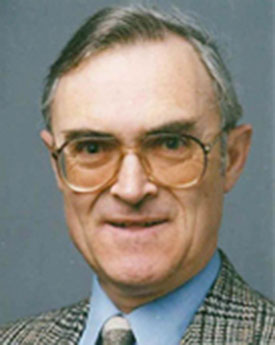

FHASS Health Hub, Transcultural Writing, Practice and Research Network



Centre for Sustainable Soils, FHASS Health Hub, Literature, Science and Medicine, Literature, Space and Place, Shakespeare Programme, Transcultural Writing, Practice and Research Network


Energy Lancaster



Security Lancaster (Policy, Law and Ethics)


Imagination Lancaster, Lancaster Evaluation Group, Morecambe Bay Curriculum, Practices, Social Design


Centre for Scholarship and Innovation in Management Education


Materials Science Institute PhD Student
FHASS Health Hub, Lancaster Literacy Research Centre, LIP - Language, Ideology and Power Group





Richardson Institute for Peace Studies
Centre for Social Justice and Wellbeing in Education, Centre for Technology Enhanced Learning
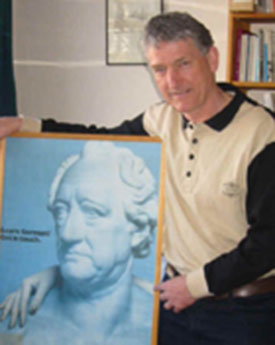
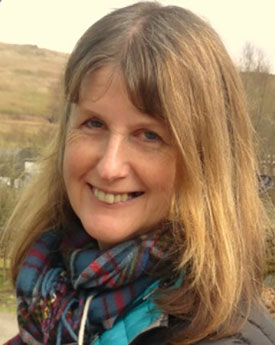
CeMoRe - Centre for Mobilities Research, Centre for Gender Studies, Literature, Space and Place


Human rights and global vulnerabilities

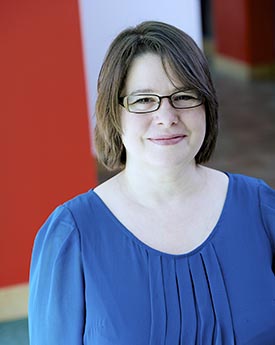
Centre for Gender Studies, Dynamics of Memories, Regional Heritage Centre

Language Learning Research Lab, Multilingualism and Cognition Research Group

Energy Lancaster, Evaluation, Imagination Lancaster, Makers , Morecambe Bay Curriculum, Practices, School of Design, Social Design




Imagination Lancaster, ISF PhD, Makers , School of Architecture, Worldbuilding


Policing Academic Centre of Excellence
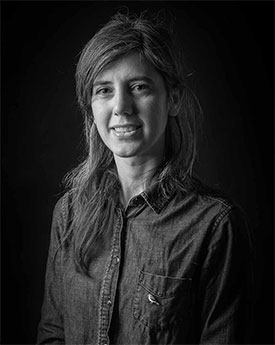
Evaluation, Imagination Lancaster, Makers , More than Human , Morecambe Bay Curriculum, School of Architecture, Space & Place


Centre for Crime, Law and Justice, Security Lancaster (Policy, Law and Ethics)

Lancaster Literacy Research Centre











Culture and Communication Research Network (CULCOM), FHASS Health Hub






Insight, Practices




Language Learning Research Lab, Multilingualism and Cognition Research Group


DSAIL - Society, Evaluation, Imagination Lancaster, School of Design, Worldbuilding






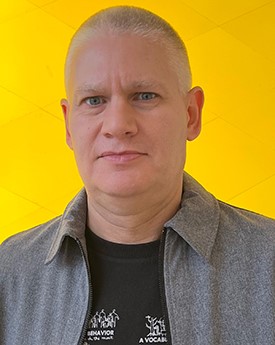

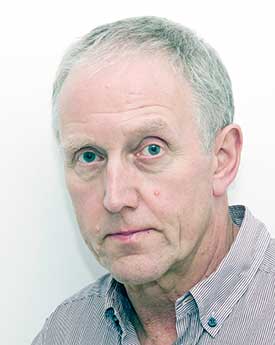
Centre for Social Justice and Wellbeing in Education, Centre for Technology Enhanced Learning


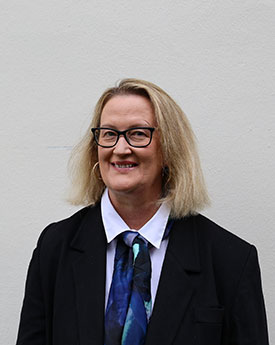
Cultures, Insight, Practices
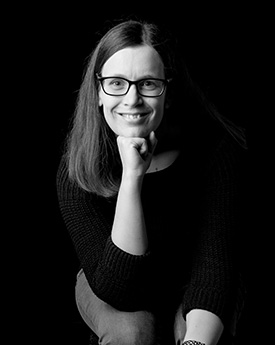
Regional Heritage Centre
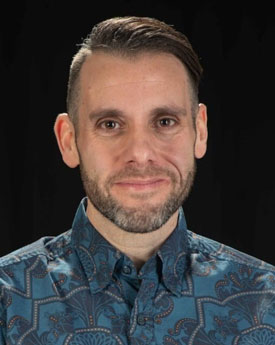
Brain and Bilingual Experience Lab (BaBEL), Multilingualism and Cognition Research Group


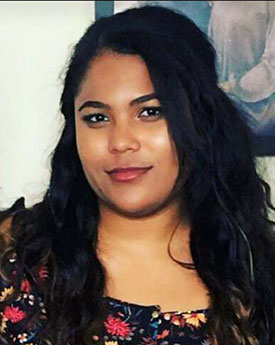
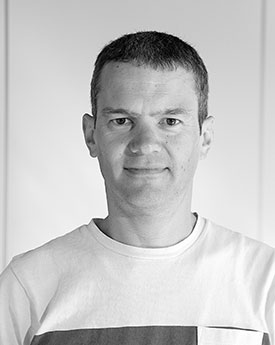
Cultures, Digital Humanities Centre, Insight
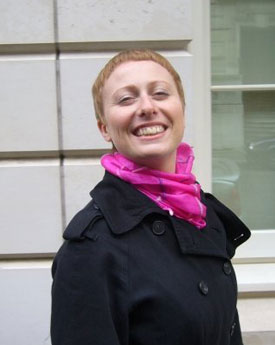
Digital Humanities, Digital Humanities Centre, FHASS Health Hub, Literature, Science and Medicine

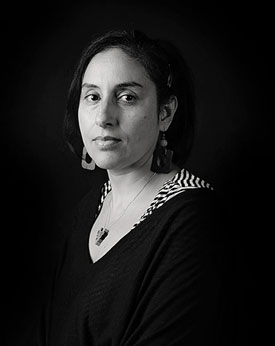
Imagination Lancaster, School of Architecture



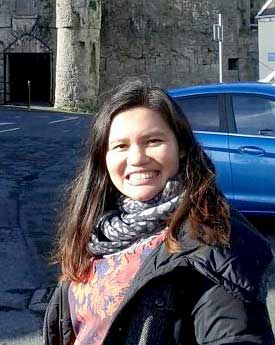


Ethics Values and Policy Initiative
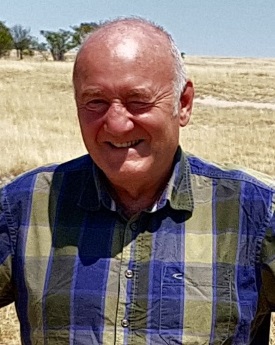
Centre for Higher Education Research and Evaluation, Centre for Social Justice and Wellbeing in Education, Lancaster Evaluation Group, Morecambe Bay Curriculum

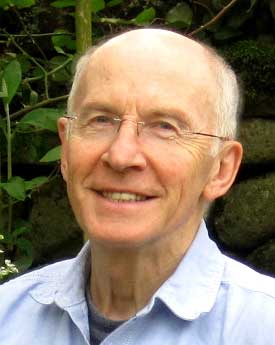
Centre for Alternatives to Social and Economic Inequalities, CPERC - Cultural Political Economy Research Centre , LIP - Language, Ideology and Power Group
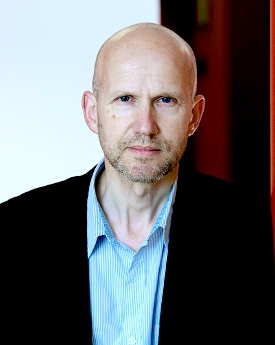
Creative-Critical Writing, Literature and Religion, Literature, the Arts, Media and Performance


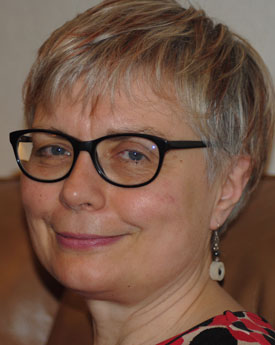
DisTex - Discourse and Text Research Group
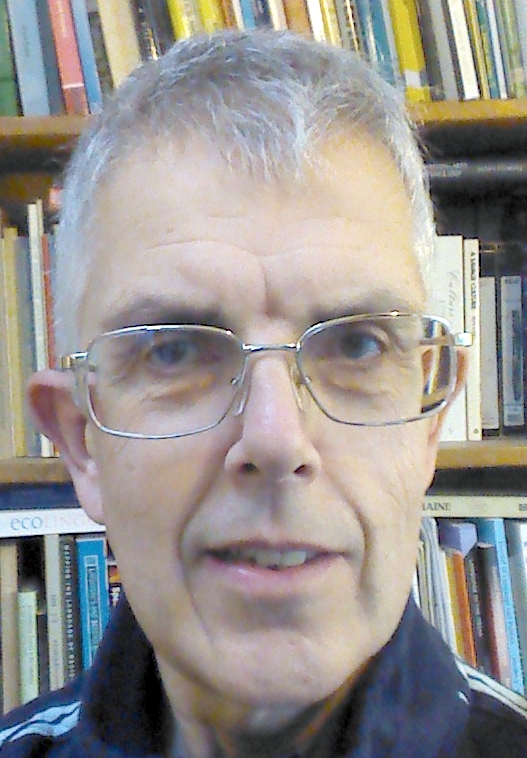
Lancaster Literacy Research Centre

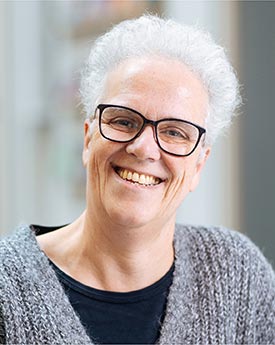
DisTex - Discourse and Text Research Group, ESRC Centre for Corpus Approaches to Social Science, FHASS Health Hub, Institute for Social Futures Fellow, ISF Fellows 2019/20, Research Group in Cognitive Linguistics , UCREL - University Centre for Computer Corpus Research on Language
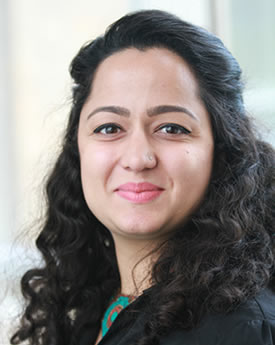





Regulation, Enterprise, and Society


UCREL - University Centre for Computer Corpus Research on Language
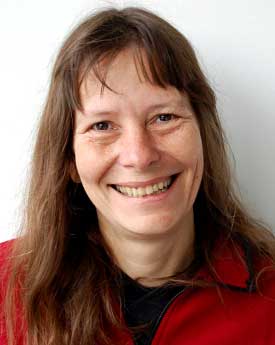
CeMoRe - Centre for Mobilities Research, Centre for Science Studies, DEMAND - Dynamics of Energy, Mobility and Demand, Energy Lancaster


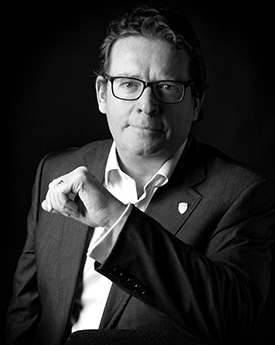

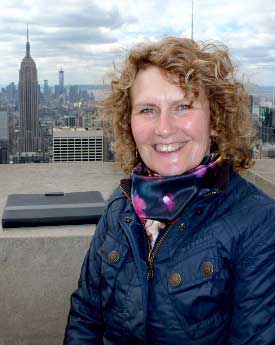
Centre for Gender Studies, Centre for Science Studies

Centre for Alternatives to Social and Economic Inequalities, Centre for Gender Studies, Security Lancaster (Sociology)
Human rights and global vulnerabilities







Ethics Values and Policy Initiative


CeMoRe - Centre for Mobilities Research, Cultures, Morecambe Bay Curriculum, Practices
Authors and the World, Institute for Social Futures - Leadership Team, ISF Anniversary Lecturers, MSF Supervisors 2019/20, Performing Identities, Poetics of Resistance
Creative Writing, Gothic and Science Fiction, Literature, Space and Place, Literature, the Arts, Media and Performance
CeMoRe - Centre for Mobilities Research, Institute for Social Futures Fellow

Energy Lancaster, Evaluation, Imagination Lancaster, Makers , More than Human , Morecambe Bay Curriculum, Practices, School of Design, Sustainable Regenerative Design Futures


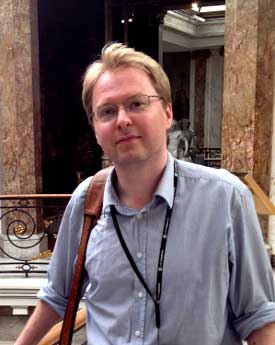


Cultures, Insight, Practices



Evaluation, Imagination Lancaster, School of Design
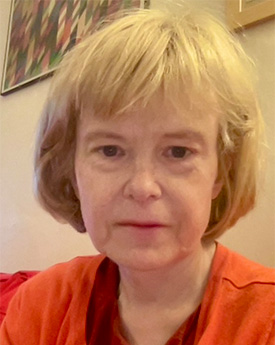
Centre for Gender Studies, Continental Philosophy and Critical Theory , Philosophy of Mind and Psychology



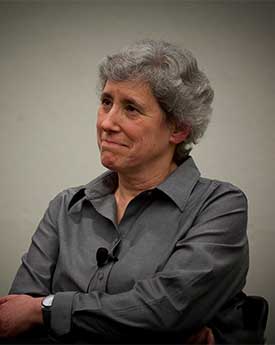
Centre for Gender Studies, Centre for Science Studies

School of Architecture
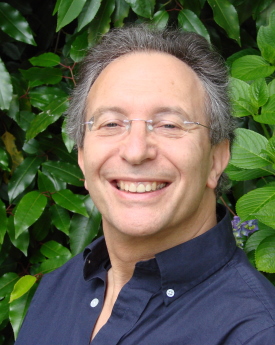
African Studies Group, Dynamics of Memories, Latin America Research Cluster

Centre for Alternatives to Social and Economic Inequalities, CPERC - Cultural Political Economy Research Centre
Human rights and global vulnerabilities, Security Lancaster (Policy, Law and Ethics)







Centre for Sustainable Soils
Human rights and global vulnerabilities, Security Lancaster (Policy, Law and Ethics), Security Lancaster (Sociology)

Centre for the Study of Environmental Change, Institute for Social Futures Fellow


DisTex - Discourse and Text Research Group, Research Group in Cognitive Linguistics , UCREL - University Centre for Computer Corpus Research on Language

Gothic and Science Fiction, Institute for Social Futures Fellow, Literature and Religion, Literature, the Arts, Media and Performance


Morecambe Bay Curriculum


African Studies Group, Centre for Gender Studies, Performing Identities, Poetics of Resistance

Evaluation, Health & Wellbeing , Imagination Lancaster, School of Design
Transcultural Writing, Practice and Research Network




Centre for Crime, Law and Justice

Centre for Higher Education Research and Evaluation

Morecambe Bay Curriculum






Centre for Higher Education Research and Evaluation, Centre for Social Justice and Wellbeing in Education

DSAIL - Health, Evaluation, Imagination Lancaster, School of Design


DisTex - Discourse and Text Research Group, Lancaster Literacy Research Centre
Centre for Alternatives to Social and Economic Inequalities, Centre for Gender Studies, Migrancy Research Group



Authors and the World, DisTex - Discourse and Text Research Group, Institute for Social Futures Fellow, Lancaster Literacy Research Centre, LIP - Language, Ideology and Power Group
Human rights and global vulnerabilities

Research Group in Cognitive Linguistics





Pentland Centre
Centre for Higher Education Research and Evaluation, Centre for Social Justice and Wellbeing in Education


Evaluation, HighWire Doctoral Training Centre, Imagination Lancaster, School of Design

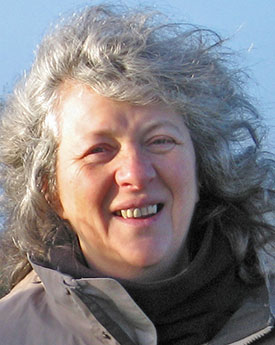
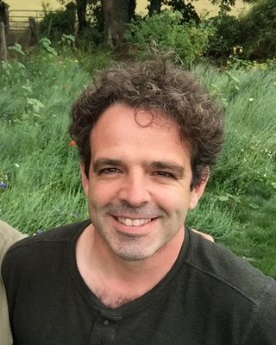
Creative Writing, Creative-Critical Writing, Literature, the Arts, Media and Performance
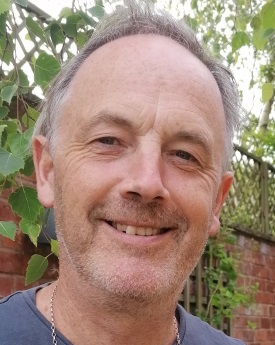


Cultures, Evaluation, Imagination Lancaster, School of Design, Space & Place





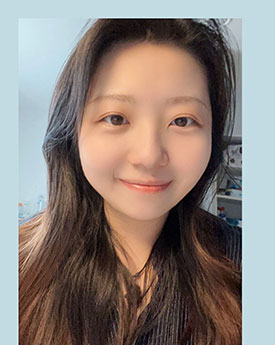




Centre for Gender Studies, Centre for Social Justice and Wellbeing in Education, Morecambe Bay Curriculum, Richardson Institute for Peace Studies
Centre for Sustainable Soils, Centre of Excellence in Environmental Data Science, Digital Humanities, DSAIL - Health, DSAIL- Environment, Energy Lancaster, FHASS Health Hub, Gothic and Science Fiction, Literature, Science and Medicine, Literature, Space and Place
Centre for Science Studies, Centre for the Study of Environmental Change

Centre for Child and Family Justice Research, Centre for Crime, Law and Justice, Law with and for People


FHASS Health Hub, Law with and for People
Human rights and global vulnerabilities, Lancaster Intelligent, Robotic and Autonomous Systems Centre, LIRA - Society and Human Behaviour
Evaluation, Imagination Lancaster, School of Design

Security Lancaster (Policy, Law and Ethics)

Centre for Crime, Law and Justice




International Observatory on End of Life Care
Centre for War and Diplomacy
Ethics Values and Policy Initiative , FHASS Health Hub



Security Lancaster (Sociology)
Morecambe Bay Curriculum

Centre for Gender Studies
Centre for Gender Studies, CPERC - Cultural Political Economy Research Centre , Migrancy Research Group

Regulation, Enterprise, and Society
Human rights and global vulnerabilities

FHASS Health Hub
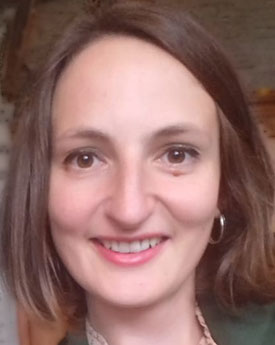
Centre for War and Diplomacy, FHASS Health Hub





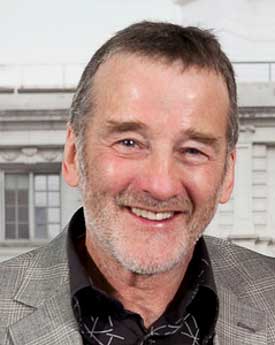
Centre for Science Studies, Centre for the Study of Environmental Change
Centre for War and Diplomacy








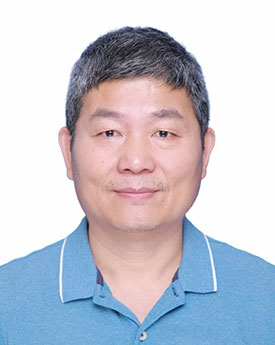






Multilingualism and Cognition Research Group


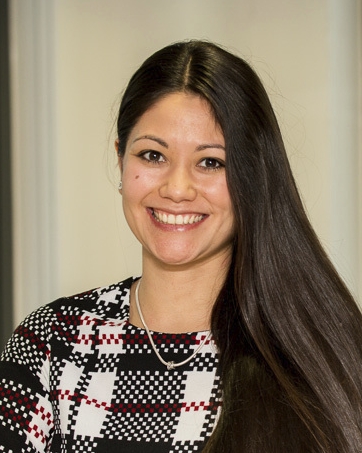
Centre for Child and Family Justice Research




Security Lancaster (Policing)