Leverhulme Doctoral Programme on Food for Nature and Society

An interdisciplinary knowledge base for a resilient, regenerative, and reparative food future

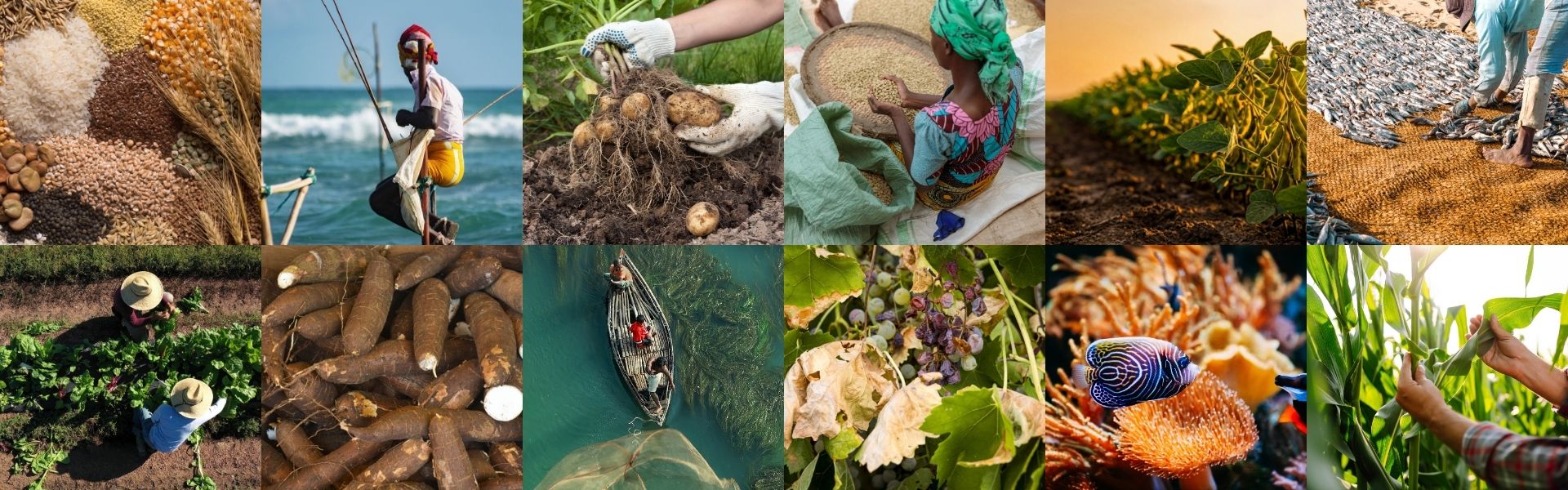
A collage of images, including people fishing, a variety of crops, coral reefs and soils

About the Doctoral Programme

The global food system is failing both people and planet. Hunger and malnutrition are rising, while many food system workers endure poor conditions and stagnant wages, leaving them amongst those least able to afford a healthy diet. At the same time, food production is a major driver of biodiversity loss, a major source of nitrogen pollution in groundwater, accounts for ~30% of global carbon emissions, and is responsible for transgressing six planetary boundaries.

Our food system needs to undergo change so that it works for all people, both today and for future generations, but it also needs to support rather than undermine nature. Achieving such a food system requires interdisciplinary engagement, utilising expertise from a diversity of research areas and industry sectors and applying that knowledge to a broad range of geographic and geopolitical contexts.

The Leverhulme Doctoral Programme on Food for Nature and Society aims to equip our cohorts with the skills and learning to traverse these disciplinary boundaries, allowing them to navigate silos in food systems research and grapple with the deep, underlying issues that intersect food, nature, and society to bring new insights. Food for Nature and Society aims to serve as a knowledge base necessary for a resilient, regenerative, and reparative food future that enables nature to thrive and equitable societies to flourish, today and into the future.

Our core themes

Food for Nature and Society has three themes, each of which takes an interdisciplinary lens to key research challenges. All of our themes aim to generate knowledge from both the Global North and the Global South, covering a variety of terrestrial and aquatic domains. They examine both wild and cultivated food systems, and aim to apply findings across large capitalist producers, smallholders, and indigenous farmers. Our doctoral projects will sit across at least two of our themes, ensuring an interdisciplinary approach to addressing their specific research questions.

Resilient Food Systems

The Resilient Food Systems theme considers how we can ensure food systems cope with or adapt to increasingly variable and unpredictable environmental, economic, and political conditions. Projects that sit within this theme will draw on divergent perspectives to reimagine approaches to ensure food systems can remain productive and safe, addressing challenges such as cultivating drought-resistant soils and crops, enhancing the productivity of farmland, and combatting overfishing in our world's oceans.

Regenerative Food Systems

Our Regenerative Food Systems theme will challenge dominant production approaches to instead increase biodiversity and ecosystem functions, support soil health, and bolster local communities. Projects within this theme will challenge dominant production approaches and examine the ways in which regenerative approaches can succeed.

Reparative Food Systems

The Reparative Food Systems theme will ask how food system harms have been created and how they can be repaired, confronting spatially uneven, historically entrenched injustices and the often-opaque power imbalances of the food system. Projects that sit within this theme will consider a wide range of both social and ecological damages food practices have caused - from deforestation and pollution to the economic consequences of corporate monopolies - and seek to address them.

Apply for our projects

Food for Nature and Society offers a range of funded PhD opportunities - to find out more, visit our dedicated projects page.

Our projects

Latest news