Global Library

Through our vision we have affirmed our ambition to be a truly global university library, recognised both locally and internationally for our contributions and partnerships. We are committed to thinking and acting in a global context and engaging at a local level to maximise the reach and impact of our Library.

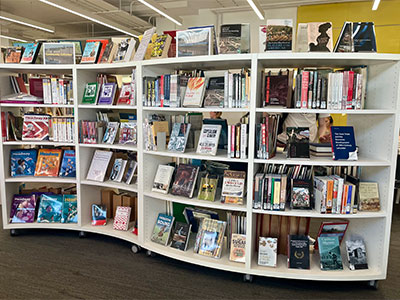
Library books on curved shelving

Global collections

Our print books are sourced through global supply chains, giving our community access to a wide range of authors, languages and perspectives. We use platforms such as Rialto, which links directly with our Alma library system and connects us to suppliers around the world. For rare or specialist items, we also work with small academic publishers, international vendors, professional book platforms and trusted second-hand suppliers.

By engaging with global library networks and continually adapting to international best practice, Lancaster University Library ensures that our physical collections remain diverse, sustainable and responsive to the needs of a modern, globally connected university.

At Lancaster University Library, our physical collections are shaped by both local priorities and global developments in librarianship. This is reflected in specialist areas such as our CeMoRe Mobilities Collection and GloCal Collection.

We follow international standards for cataloguing, preservation and metadata. These shared approaches help ensure that our materials can be discovered easily and that we can participate in wider resource-sharing initiatives. Across the UK, Europe and North America, shared print programmes are helping libraries preserve key scholarly works together and manage print collections sustainably. We monitor developments such as the UK Print Books Collection (UK PBC) as part of our ongoing commitment to responsible stewardship and long-term access to print.

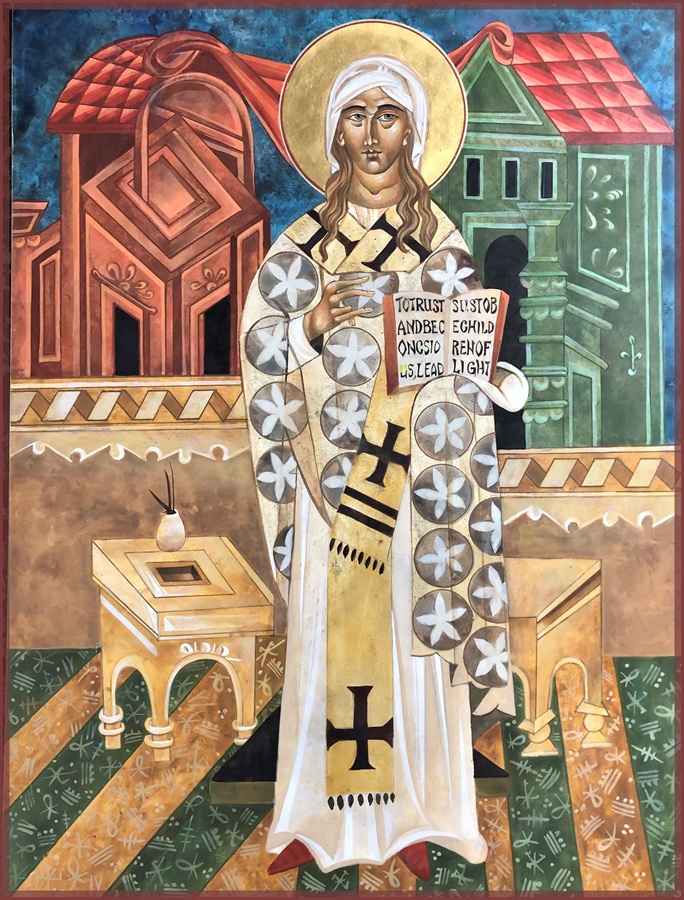
Religious icon by the artist Mary Jane Miller

Lancaster Digital Collections

Following the successful launch of the Davy Notebooks on Lancaster Digital Collections in 2024, we launched our next collection in March 2025.

Women's Iconography in the 21st Century raises awareness of women’s understudied accomplishments in Orthodox iconography, a practice of Christian sacred art that was historically male dominated. The collection preserves the work of women from across the world, including Armenia, Brazil, Canada, Latvia, Lebanon, Greece, Finland, Mexico, Russia, the USA and the Ukraine, as well as the UK.

The archive is part of an Arts and Humanities Research Council-funded Impact Acceleration Account Project entitled Contemporary Women Icons, led by Associate Researcher Dr Azelina Flint and Senior Lecturer Dr Brian Baker at the University’s Department of English Literature and Creative Writing.

Associate Director: Teaching and Engagement at Lancaster University Library Phil Cheeseman said: “This significant new digital collection is the culmination of a great partnership with the Library. It exemplifies our commitment to promoting University research, increasing the visibility of underrepresented communities and providing open access to collections.”

The collection was launched with a hybrid event held in the Library's Events Space. An in-person audience was joined by online speakers and attendees from around the world. We also hosted an in-person iconography workshop where participants learned about iconography practices from Dr Baker, and had the opportunity to create their own artwork.


Three members of Lancaster University Ghana Library team standing at the library entrance.

International campuses and teaching partnerships

We meet regularly with staff at our international campuses and teaching partnerships, sharing experiences and practice with each other. Working together, we ensure our libraries are appropriately resourced, providing access to electronic resources, in line with requirements of supplier licensing agreements. We support access to resources through online resource lists and subject guides, as well as providing introductory and more advanced library sessions for students and staff. Effective partnership has resulted in co-delivery of information and academic skills sessions, and sharing materials and developmental opportunities with each other.

Majorine Kitcher Librarian LU Ghana