Microlearning resources

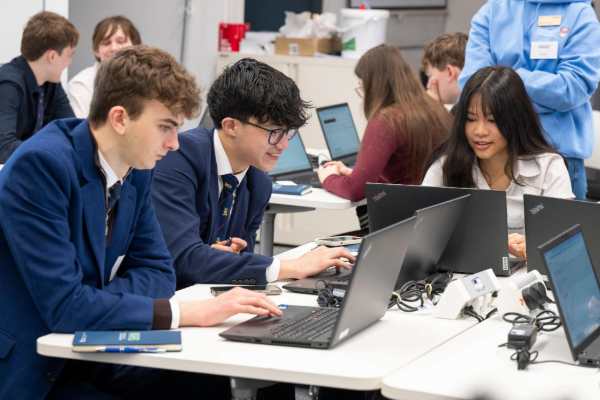
Students working on laptops

MARS mathematics and AI microlearning

The MARS microlearning modules, for 16–18-year-olds, are a bite-sized introduction to the mathematics underpinning some of the most commonly used modern AI systems. Each module consists of an explainer film and a short mathematical challenge focused on real-world AI.

The modules can be completed independently by students or used by teachers as part of lesson. They can be worked through in any order. We are planning to add some further resources for teachers to accompany some of the modules.

The microlearning modules were funded by the Engineering and Physical Sciences Research Council (EPSRC) and developed in collaboration with Rownd.

Introducing MARS microlearning

Ever wondered how large language models like ChatGPT generate text and images; how facial recognition works on your phone; and how streaming providers like Spotify and Netflix know what content to recommend?

Our mathematics and AI microlearning modules take you under the hood of everyday AI systems, explaining how they’re powered by the mathematics that you learn at school or college.

Once you’ve watched the explainer films, you’ll get to test what you’ve learned in a series of mini challenges.

Ready to think like AI? Start your learning journey now.
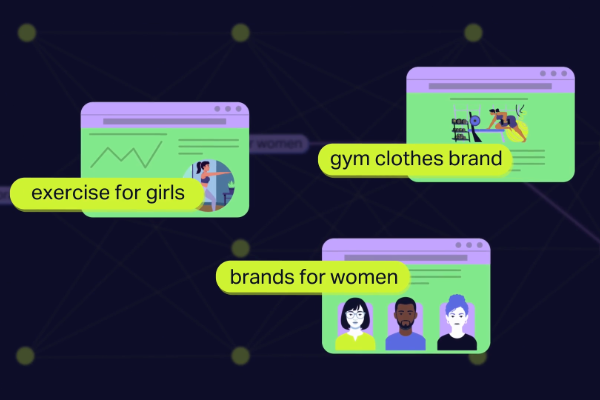
A computer screen showing images with text prompts

Module 1: How do large language models work?

Find out more about the mathematics underpinning large language models (LLMs) like ChatGPT and Gemini.

Watch the film and take the next word prediction challenge to test your conditional probability skills.

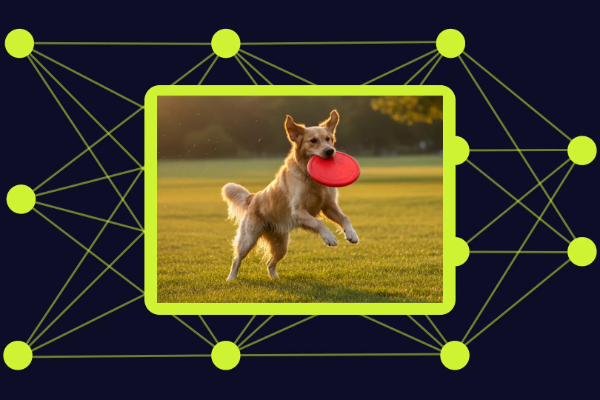
A dog catching a frisbee

Module 2: How do AI systems generate images?

Discover how underlying mathematics enables AI to generate images.

Watch the film and take the diffusion tuner challenge to de-noise an image.

Woman looking at her mobile phone

Module 3: How does your phone know it's you?

Explore the mathematics powering facial recognition systems.

Watch the film and take the ‘Whose phone is it?’ challenge applying your knowledge of vectors to unlock the phone.

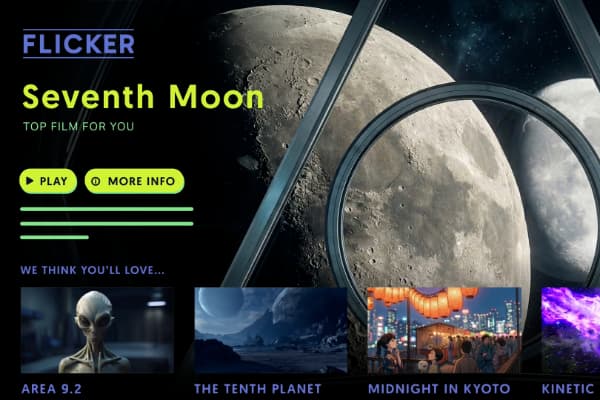
A screen shot of the fictional streaming service Flicker

Module 4: How do streaming services know what content to recommend?

Learn about the mathematics driving recommender systems.

Watch the film and take the recommendation challenge solving linear equations to calculate the similarity score.

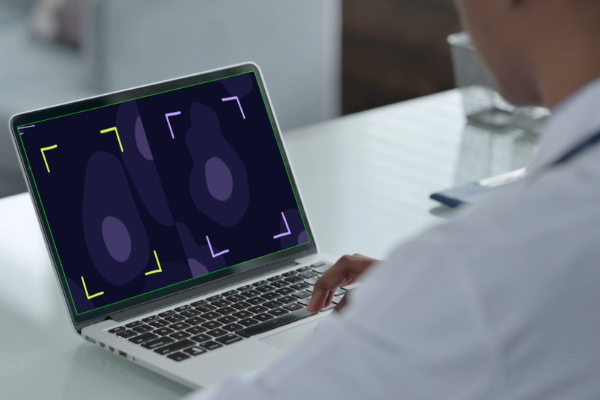
A doctor looking at a scan on a laptop

Module 5: How is AI changing medical diagnosis?

Discover how mathematics-powered AI systems help doctors analyse medical data and support faster, more accurate diagnoses.

Watch the film and take the cell classifier challenge using the Pythagorean distance formula to determine if a cell is healthy or unhealthy.

A women sitting at a computer denying a loan application

Module 6: How does AI decide who gets a loan?

Discover the mathematics underpinning the AI systems that help banks assess risk and make loan approval decisions.

Watch the film and take the weighted challenge, using a risk score formula to decide whether to approve or reject a loan application.

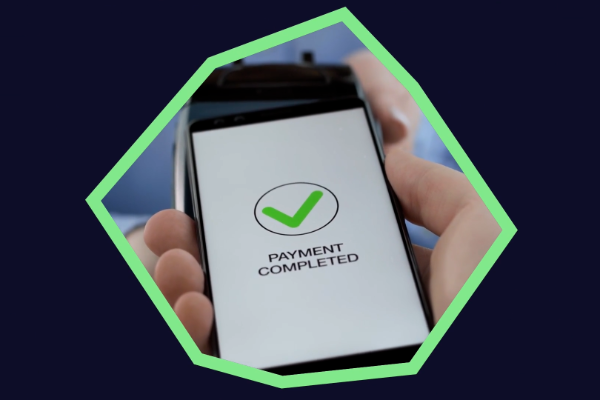
A hand holding a mobile phone with the screen reading 'Payment Completed'

Module 7: How does AI help catch fraudsters?

Learn how mathematics-driven AI systems recognise patterns and help uncover fraudulent behaviour.

Watch the film and take the escalation gate challenge, using a mathematical formula to calculate the uncertainty range for fraud.

Linked icons