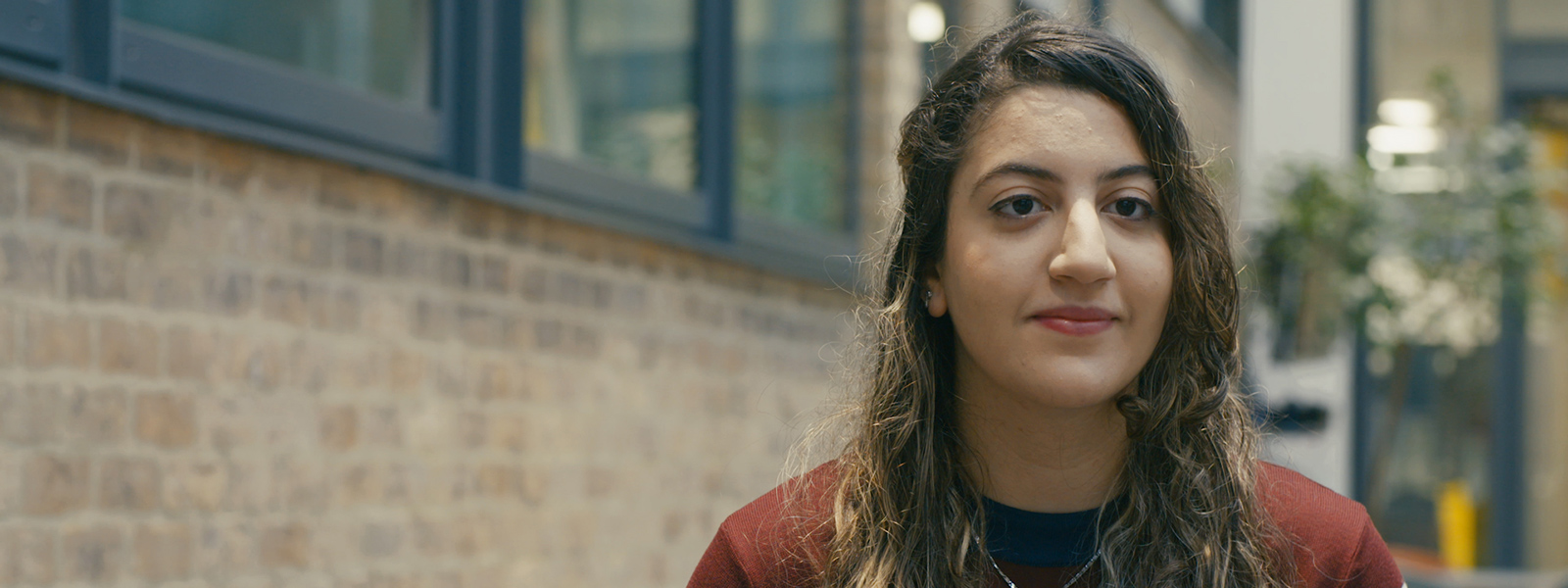
"My motivation for choosing to study medicine came from secondary school; the way that I grew up; the experiences I had. I took a lot of roles and responsibility in school, which I think shaped my personality and my skill set, and I think that's tailored to the skills that you need as a doctor. After I finished my GCSEs I started volunteering in care home, and it was then that I started to find myself as a person, finding my voice and growing a passion for helping people.
"I'm in my third year at Lancaster now and it's been a really great three years so far. It's one of the smallest medical schools in the UK but I think that is its biggest advantage because you get to know not only your peers, but your teachers, the staff, and the hospital really well on a one-to-one basis. So you've got a close community here at the university and another in the hospitals that you go to. Being on placement makes you realise that you're not alone as a doctor. There are people everywhere around you and you work together as a team, and they really make you feel welcome.
"The teaching style here is by problem-based learning (PBL) which I find extremely rewarding. You start with mostly PBL in Year One and then as you get to Year Two you get introduced to the hospital and the wards, so you start merging what you learn in a textbook with real life situations. You learn by examining a patient and taking histories from them, and I think that active learning style is a great thing about the course. You really develop the skills that you need once you've graduated. Importantly for me, Lancaster really puts an emphasis on learning not just about the human body but all the aspects around it. You learn about the psychology and the social aspects of a person, and you get to know them as a whole life, not just the symptom that they appear with. You focus on looking at a person holistically, treating everybody with respect, and welcoming the diverse community."