Centre for Health Informatics, Computing and Statistics (CHICAS)
100%
of our Research Environment is rated world-leading
REF2021
91%
of our Research was judged to be world-leading or internationally excellent
REF2021
About CHICAS
We apply advanced quantitative and computational methods to health data to generate new insights and better inform policy, with applications within the NHS, global health, and infectious disease epidemiology.
Alongside internationally renowned research, CHICAS also delivers a Master's course in Health Data Science. This offers interdisciplinary training in statistics, computing, epidemiology, economics and health data, applied to real-world challenges through research projects with leading public health organisations.
A CHICAS PhD Doctorate can be full or part-time research typically working on a secondary data analysis project with an application in epidemiology, health care, or global health.
A CHICAS PhD Doctorate can be full or part-time research typically developing quantitative methodology, with an application in epidemiology, health care, or global health.
LSTM and Lancaster University MRC iCASE DTP
The Medical Research Council (MRC) Industrial Collaborative Awards in Science and Engineering (iCASE) Doctoral Training Partnership (DTP) provides an excellent opportunity to benefit from high-quality training, offering invaluable experience to enhance translational and quantitative skills. This four-year studentship is delivered in partnership with Liverpool School of Tropical Medicine (LSTM).
Centre for Sustainable Soils, Centre of Excellence in Environmental Data Science, DSAIL- Environment, Earth Science, Geospatial Data Science, Lancaster Intelligent, Robotic and Autonomous Systems Centre, LIRA - Environmental Modelling, LIRA - Fundamentals, STOR-i Centre for Doctoral Training
Bayesian and Computational Statistics, Biostatistics , CHICAS, DSAIL - Health, MARS: Mathematics for AI in Real-world Systems, STOR-i Centre for Doctoral Training
This project explored how statistical modelling can improve the identification of Neglected Tropical Disease infections among migrant populations in Italy. Focusing on soil-transmitted helminth infections in the Campania region, the study combined publicly available country-level information with individual screening data from 3,830 migrants originating from 64 countries. The findings showed that integrating both data sources improved the prediction of infection risk and could support more targeted screening strategies, helping to reduce pressure on specialist parasitology laboratories.
Contributors: Jana Purkiss, Professor Emanuele Giorgi
New infections, such as pandemics, pose significant threats to global health security. This research aims to strengthen the surveillance of such pathogens and improve pandemic preparedness by investigating how changes in the global travel influence the international spread of infections and by identifying delays in the detection and reporting of zoonotic diseases. Using mathematical models, the project will also investigate how these delays can undermine pandemic preparedness and response, and evaluate the usefulness of within-airport surveillance for global surveillance of new and emerging infections.
Contributors: Chiamaka Jibuaku, Professor Peter Atkinson, Dr Jon Read
This mixed-methods PhD project explores how people who are both Autistic and LGBTQIA+ access and experience eating disorder care in Lancashire and South Cumbria. Using anonymised health records, it will examine prevalence, demographic profiles, treatment pathways and outcomes compared with other service users. Interviews with practitioners and Autistic LGBTQIA+ individuals will capture care barriers and facilitators. Guided by a lived experience advisory group, findings will inform more inclusive services, training and policy.
Contributors: Sami Padley, Dr Anastasia Ushakova
During the pandemic, COVID-19 vaccine uptake varied widely across England, with some communities facing delays or lower coverage. This project explores how geography, deprivation, and demographics shaped who got vaccinated and how quickly. Using disease modelling, we compare scenarios that maximise overall uptake against those that minimise delays to receipt, evaluating their impact on infections and hospitalisations. Ultimately, this reveals where unvaccinated groups cluster, helping public health teams design fairer, faster vaccination strategies for future emergencies.
Contributors: Cían Ryan, Dr Jon Read, Dr Sam Moore
This project uses NHS records from mental health services across England, and interview data from mental health service users, to explore care for co-occurring bipolar and alcohol use disorder (AUD). Specifically, the project investigates the clinical prevalence of co-occurring bipolar and AUD, how alcohol impacts treatment pathways for bipolar, and alcohol-related exclusion across bipolar intervention trials. Ultimately, the project aims to make recommendations to improve mental health care for people experiencing co-occurring bipolar disorder and AUD.
Contributors: Lauren Halsall, Dr Anastasia Ushakova.
The team Professor Hedley Emsley, Professor Jo Knight, Dr Laura White, Dr Aditya Adhikarla and Zoe Glossop bring together clinical neuroscience, health informatics and data science to improve the identification and management of cerebral small vessel disease (cSVD) and related conditions using routinely collected NHS data. The programme, built on previous research, is developing innovative approaches to identify patients with cSVD from routine data and has contributed to the development of an innovative specialist nurse-led pilot small vessel disease clinic.
Cattle diseases affect livestock productivity, farmers' livelihoods and human health, particularly when diseases spread from animals to people. This PhD project aims to quantify and attribute the economic and public health burdens of priority cattle diseases across Ethiopia's diverse pastoral, mixed crop-livestock, and urban and peri-urban dairy cattle production systems. Building on the Global Burden of Animal Diseases (GBADs) framework, in collaboration with the International Livestock Research Institute (ILRI), the research will integrate epidemiological, economic, infectious disease modelling, and geospatial approaches to identify disease-specific losses, with particular emphasis on zoonotic diseases. By addressing critical evidence gaps and generating spatially disaggregated estimates of disease burden, the project will provide actionable evidence to guide cost-effective disease control, strengthen One Health policy, and improve livestock productivity, public health, and rural livelihoods.
Contributors: Yeshwas Alemu, Dr Gemma Chaters, Dr Jon Read
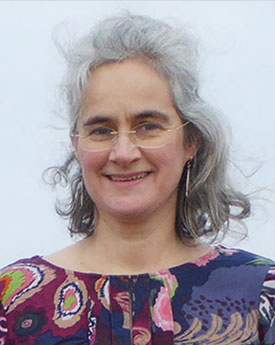
Louise Robin is a PhD student in Statistics and Epidemiology in the CHICAS group in the Faculty of Health and Medicine at Lancaster University. She is also a veterinary surgeon (BVSc, University of Bristol), and holds MSc (distinction, University of Glasgow) in One Health and Infectious Disease.
Her research focuses on human health outcomes that result from livestock infectious diseases in sub-Saharan Africa, with a focus on food security and nutrition in livestock dependent communities.
Contributors: Louise Robin, Dr Gemma Chaters, Dr Sam Moore
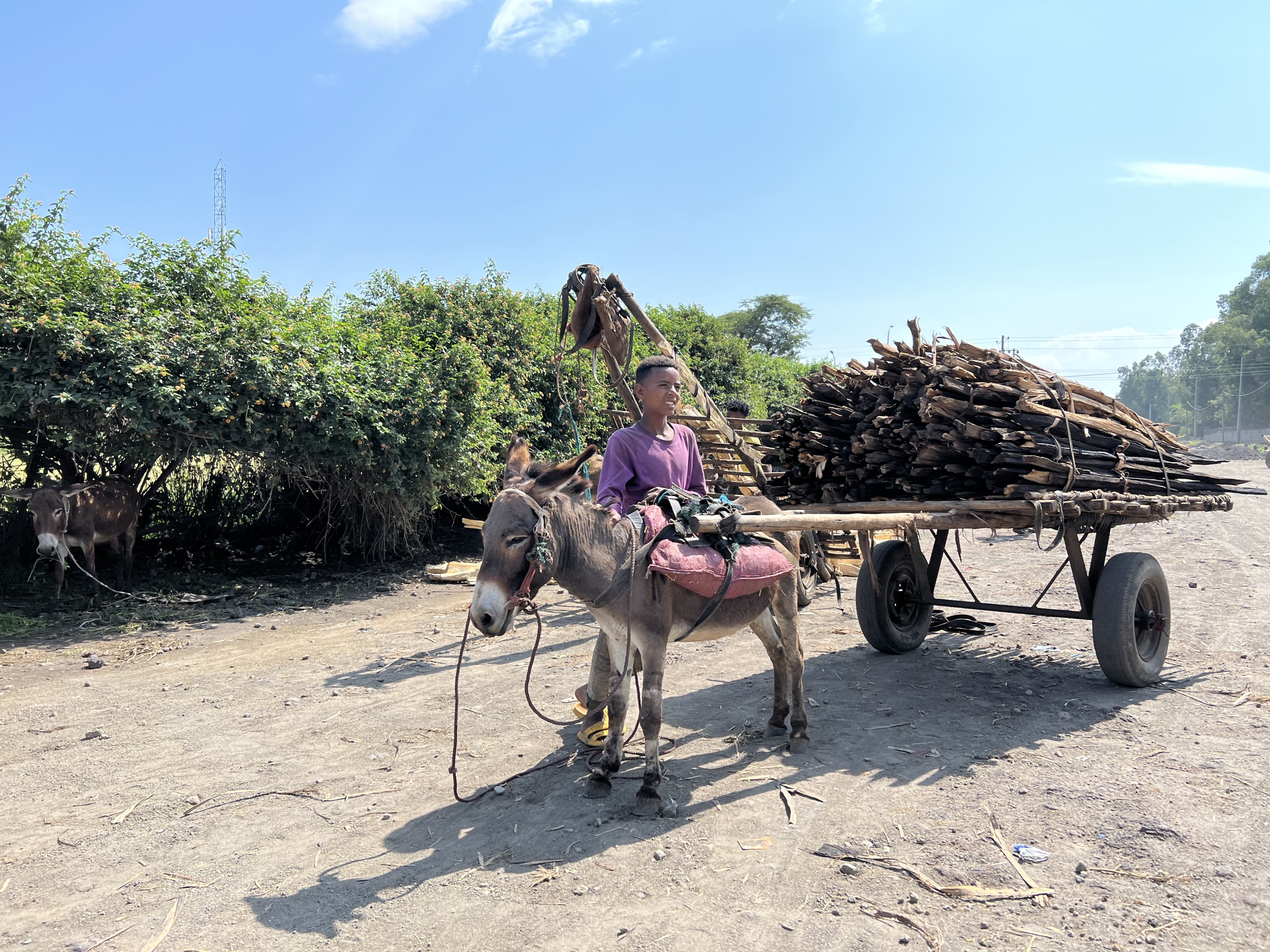
Working with the Brooke Charity, household survey data, focus group meetings and key informant interview date were used to
1. Classify donkey keeping households
2. Estimate the socio-economic value of donkeys
3. Estimate the burden of disease in donkeys
Collaborators: Dr Gemma Chaters
CHICAS is collaborating with Evidence Action to support their Deworm the World Initiative, which delivers large-scale deworming programmes to school-aged children across Africa and Asia. This project focuses on estimating the prevalence of soil-transmitted helminths and schistosomiasis, and developing cost-effective survey designs. The work aims to optimise data collection strategies, enabling programmes to maximise the value of available resources while supporting evidence-based decision-making for neglected tropical disease control.
Contributors: Freya Clark, Professor Emanuele Giorgi, Dr Sam Moore, Dr Gemma Chaters
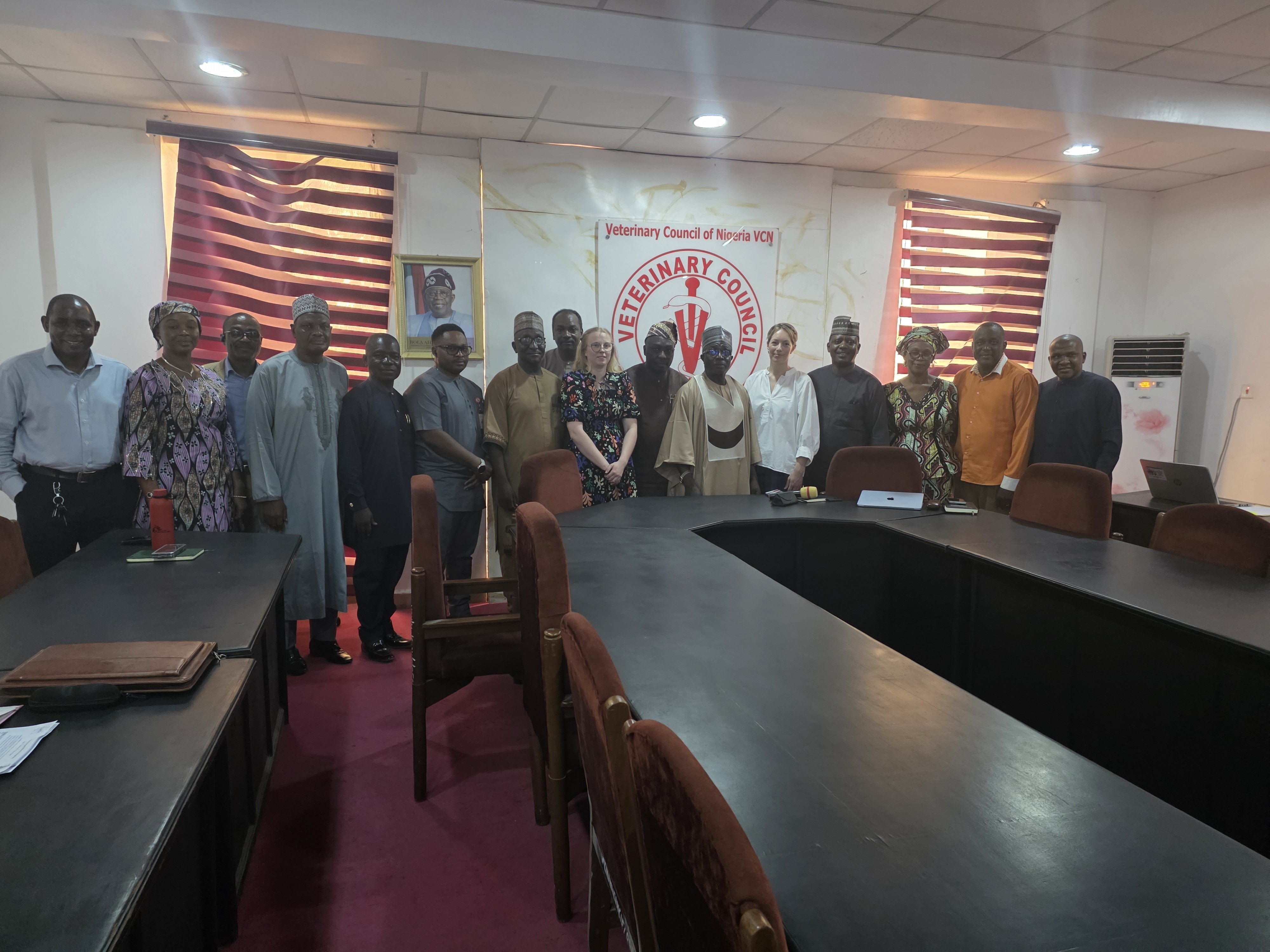
With a focus on gathering evidence to support the Peste des Petits Ruminant virus elimination campaign we held a 3-day meeting, workshop and expert elicitation sessions with stakeholders from across the small ruminant production and research sectors in Nigeria.
Contributors: Dr Gemma Chaters, Jana Purkiss
Ivermectin tablets are given to whole communities across sub-Saharan Africa to control river blindness. Individuals who carry very high numbers of eyeworm larvae in their blood can suffer serious, occasionally fatal, reactions when treated. The criterion for determining that an area is safe for mass distribution of ivermectin is that, with high probability, less than 0.1% of the population are highly infected with eye worm larvae. In collaboration with the University of Manchester and African partners we are developing novel geospatial methods to enable more reliable determination of areas where ivermectin can be used safely.
Contributors: Professor Peter Diggle
This report presents an independent evaluation of the Nobi AI-powered ambient fall detection lamps piloted across 57 nursing and residential care homes in Lancashire and South Cumbria. The lamps were installed in the bedrooms of older adults at high risk of falling. The evaluation examines the impact of the technology on residents’ fall rates, staff response times, ambulance call-outs, hospitalisations, quality of care and cost-effectiveness. It also explores factors influencing the potential scalability of the technology across care settings.
Contributors: Dr Luís Filipe, Dr Hebatallah Ali
In March 2025, CHICAS convened an international technical meeting on strengthening geostatistical capacity in low-resource settings. Bringing together stakeholders from Ministries of Health, NGOs, academia, and global health organisations across six WHO regions, the project focused on developing a sustainable framework for model-based geostatistics (MBG) training. Key outcomes included a proposed multi-level training approach, regional hub networks, and strategies for long-term funding and engagement to support evidence-based decision-making in national disease control programmes.
Contributors: Freya Clark, Jana Purkiss, Farah Khalid, Professor Emanuele Giorgi
Research Excellence Framework 2021
The Faculty is pleased to announce that in the most recent Research Excellence Framework (REF2021), 91% of our Research was judged to be world-leading or internationally excellent, and 100% of our research environment was rated world-leading.
The Faculty of Health and Medicine's multidisciplinary research and teaching operates across three divisions, delivering high quality teaching and research with national and international impact.
The Division of Health Research specialises in postgraduate study and high-quality research with national and international impact on health and wellbeing policy.
In addition to offering our medical degree and course in sports science, Lancaster Medical School conducts research into biomedicine, social and ethical aspects of health and medicine, and medical education.
Public events at the Faculty of Health and Medicine
From public lecture series, to student-focused webinars, there's always something going on at the Faculty of Health and Medicine.