
Secondary

pupils standing with a display board of their environmental work

Developing critical thinking skills and taking practical action

Secondary Approach

The Secondary approach to the Morecambe Bay Curriculum focuses on deepening knowledge and developing critical thinking, through engagement with complex and challenging issues. Topics are relevant, reliable and relatable, for example; energy poverty, mental health, coastal protection and decolonisation.

Identifying solutions to issues and taking practical action where possible, are key to ensuring students remain hopeful and engaged.
‘Resources for our Bay’: Research-Enhanced Secondary Teaching Resources

Aligning with the National Curriculum with a focus on preparation for GCSE and broadening aspirations, Lancaster University researchers have been working alongside secondary teachers to develop educational resources. Together they have developed resources that link to cutting-edge research on KS3 subjects including; Geography, PSHE, D&T, History and Science.

Explore the resources below, designed to be adaptable to different settings around the Bay:

National Curriculum: Geography

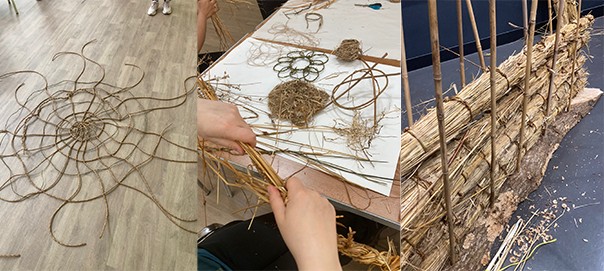
Nature-Based solutions made from rope and wicker
Nature-Based Solutions by Dallam Pupils

Physical Geography: Nature-Based Solutions for our coasts: Exploring Our Future Coast sites

Developed by: Becky Shanley, Dallam School and Dr Suzi Ilic, LU

By applying project design processes students will be encouraged to creatively find sustainable solutions to the threats facing salt marshes. Using new knowledge of nature-based solutions and the threats to their local coastlines students engineer suitable structures to support restoration and protect their communities. Embedding their knowledge of the Our Future Coast work through real life application!

Nature-Based Solutions for our Coasts Overview

Nature-Based Solutions for our Coasts Resources - Free Dropbox Download

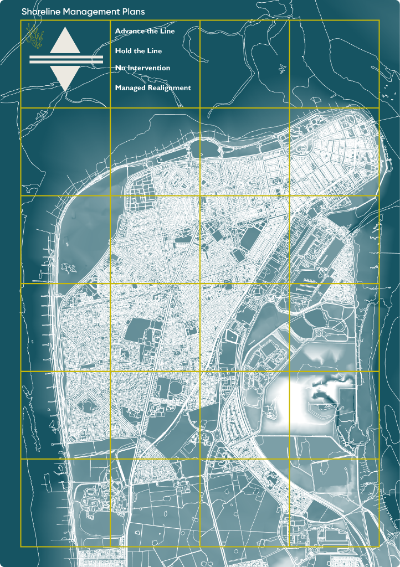
map of fleetwood supporting shoreline management plans
Sneak-peak into the MAGE game!

Serious Gaming: How effective is coastal management along the Rossall-Fleetwood Coastline?

Developed by: Richard Spencer, Bowland High School and Dr Paul Cureton, LU

Through an interactive table-top gaming experience, pupils will develop an understanding of local coastal communities and the pressures they are under. Employing critical-thinking and decision-making they will focus on the choices that councils, local government and national government are faced with and an understanding that making these decisions will impact them now and in the future.

Serious Gaming Overview

Serious Gaming Resources - Free Dropbox Download

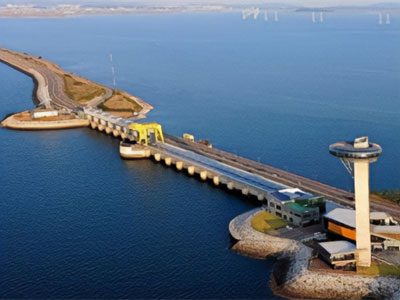
Lighthouse and tidal barrier
Example of a Tidal Barrage

Energy Generation or Energy Conservation? Which method is the future for Morecambe Bay?

Developed by: Kyla Bennett, Kirkbie Kendal School and Dr Becky Whittle, LU

The Morecambe Bay Tidal Barrage is described as a ‘vital step in getting us closer to a greener, safer, fairer future’ but is it the best solution for our community?

Your learners will be challenged to synthesise research on two pathways – the tidal barrage proposal and retro-fitting energy saving solutions. The resource challenges common assumptions through the lens of fairness and equity.

Energy Generation or Energy Conservation Overview

Energy Generation or Energy Conservation - Free Dropbox Download

National Curriculum: PSHE

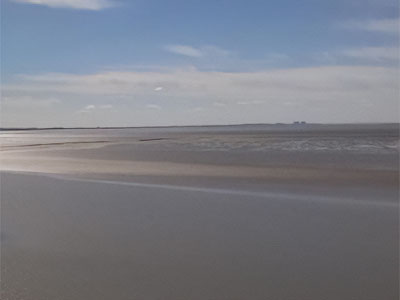
View across Morecambe Bay

Wellbeing and Blue Spaces: Using creative methods to explore connections to blue spaces and build resilience

Developed by: Kate Potter, Ripley St Thomas C of E Academy and Dr Celine Germond-Duret, LU

Spending time outdoors and near water can help with enhancing wellbeing and resilience. This foundational PSHE series explores the research behind blue spaces ensuring that your learners are in a better position to understand more fully the positive impacts which nature can have on their lives.

Wellbeing and Blue Spaces Overview

Wellbeing and Blue Spaces Resource - Free Dropbox Download

National Curriculum: Science

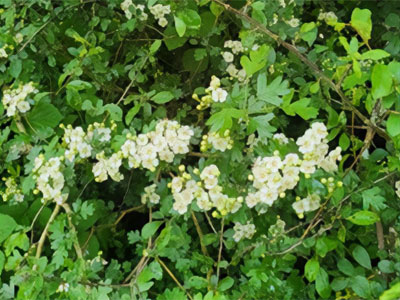
flowers and ground cover

Making Plants Pop: Weaving Local Plant Knowledge into your Teaching

Developed by: Dr Emily Fitzherbert and Dr Hattie Roberts

Teachers can empower students by informing them of their local environmental heritage and bridging the plant awareness gap. This resource helps us notice the plant life around us, expanding ecological knowledge in our learners. It also brings careers in botany, ecology, and environmental management to the fore.

Making Plants Pop Overview

Making Plants Pop Resources - Free Dropbox Download

National Curriculum: Design and Technology

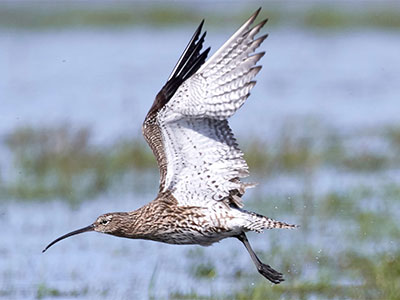
Bird taking flight
Curlew in Morecambe Bay

Flight Investigations: Curlews vs the Airbus Air380-800

Developed by: Kate Vose, Queen Elizabeth School and Dr Phil Moffitt, LU

This resource offers a comparison between the Eurasian Curlew, Britain’s highest conservation priority bird species, and the Airbus A380-800, the world’s largest commercial airliner.

Explore biomimicry, the principles of flight and the sustainability of aircraft design, to understand how humans can create solutions that care for our planet.

Flight Investigations Overview

Flight Investigations Resources - Free Dropbox Download

National Curriculum: History

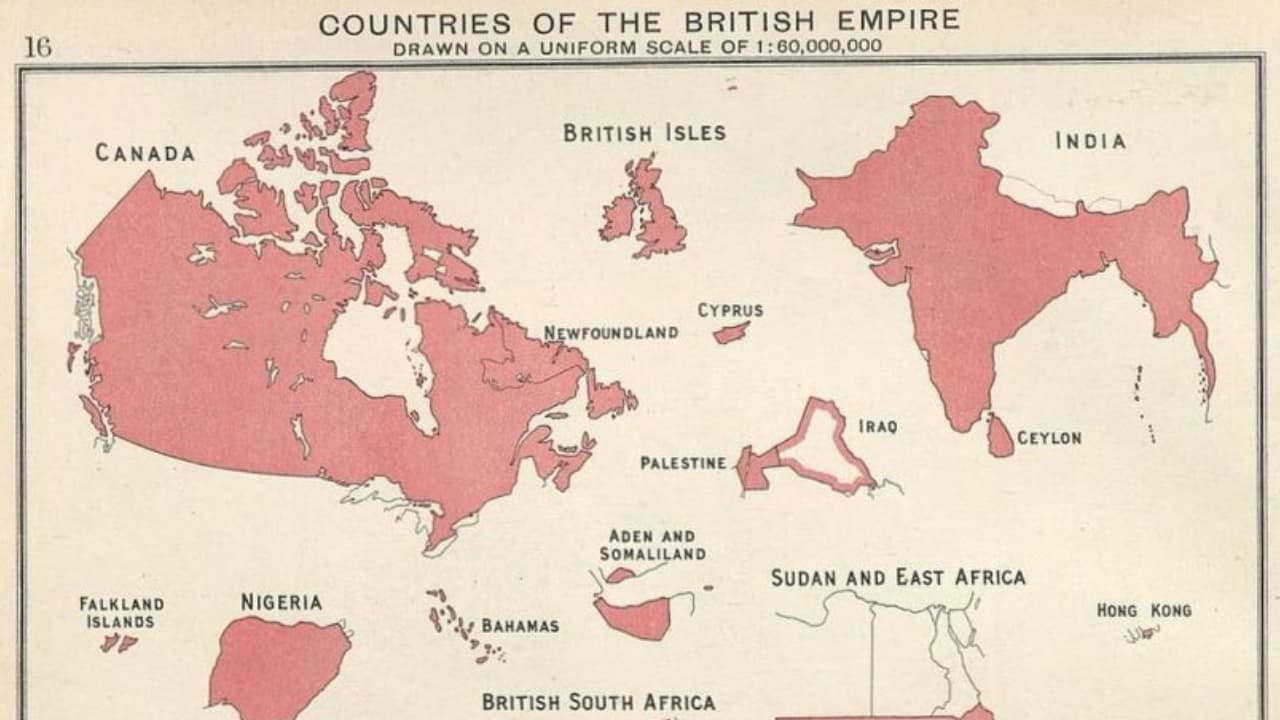
British Empire extent
Understanding the history of the British Empire

What have Colonialism and Empire got to do with Sustainability and Development?

Developed by: Jamie Roberts, LRGS and Professor Carlos Lopez-Galviz, LU

This resource will engage with the contemporary debates in the UK around reparations, loss and damage, repatriation of Indigenous artefacts and apologies for past imperial and colonial actions. By reflecting on the past, we can teach a generation to build meaningful bridges between communities and move forward to face the climate crisis together.

Colonialism and Empire: Sustainability and Development Overview

Colonialism and Empire: Sustainability and Development Resources - Free Dropbox Download

Inspiration for Sustainability and Environmental Projects

Throughout 2025 and 2026 the MBC Secondary Working Group have been exploring ways to engage pupils with the themes of place, sustainability and environment. This includes tackling fast fashion, digitally mapping school grounds and connecting to nature through art.

We were proud to celebrate these schools during a visit to Lancaster University, you can read more about our schools' learnings in the Secondary Collaborative Scrapbook.