
Support people to achieve their full potential

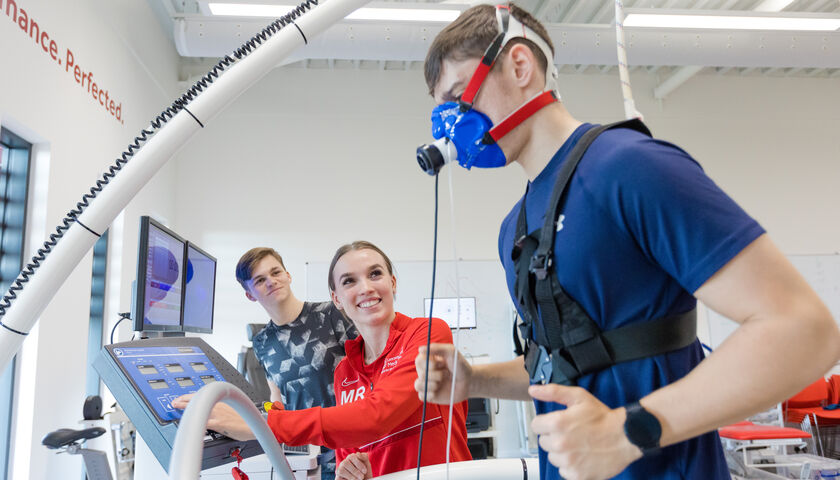
3 students are training. One is on a treadmill

Led by experts in their field at Lancaster Medical School, you will be set up to succeed in a supportive and forward-thinking environment with excellent lab facilities.

Why Lancaster University?

Top reasons to study BSc Sport and Exercise Science at Lancaster University

1st for Student satisfaction

The Complete University Guide (2026)

3rd for Teaching quality

The Times and Sunday Times Good University Guide (2026)

Taught by Lancaster Medical School

Our Sports and Exercise Science BSc is one of only a few courses of its kind to be delivered within a medical school.

Outstanding Facilities

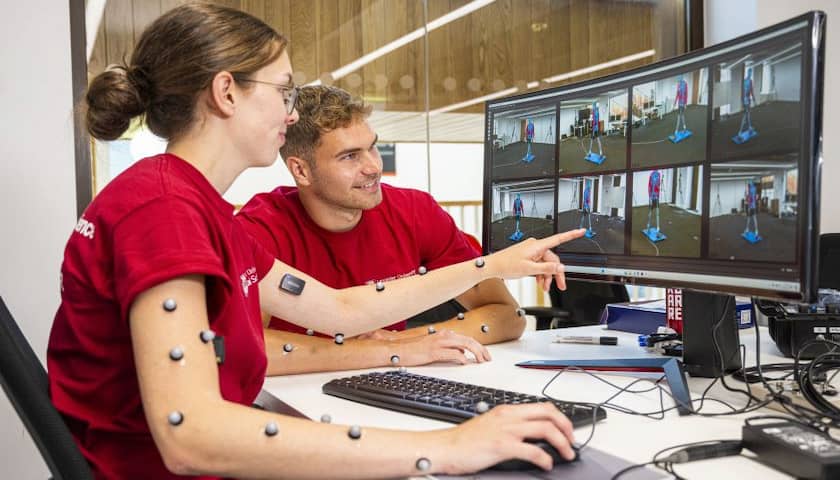
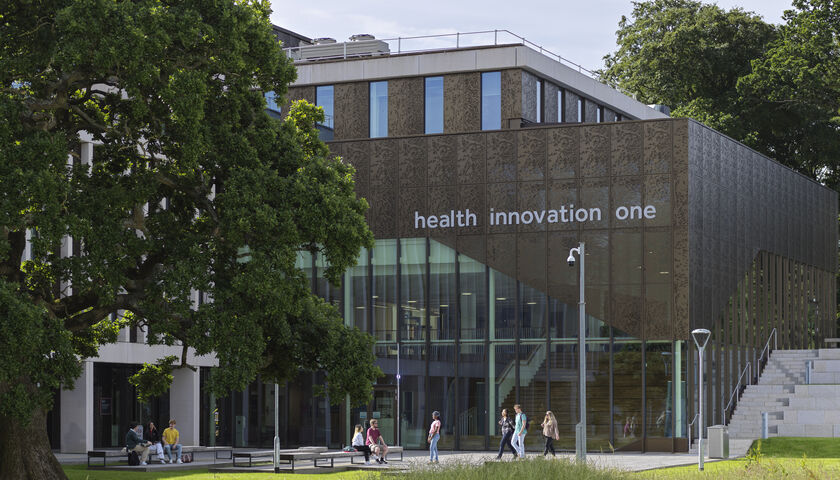
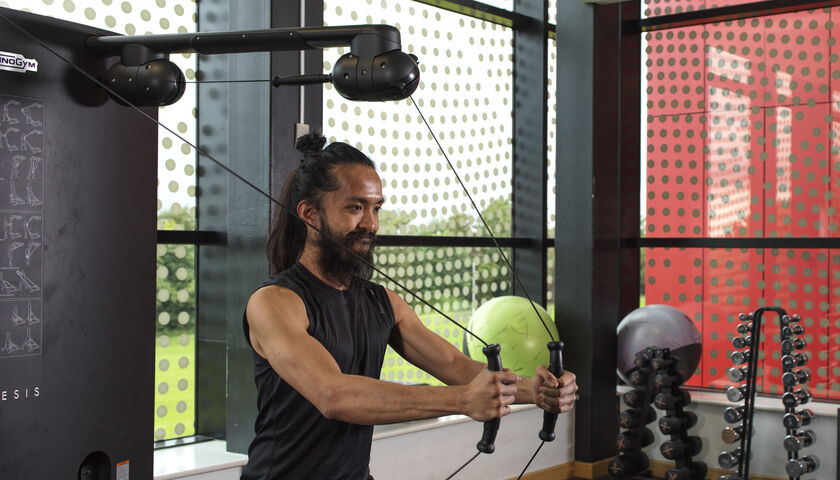
You will gain access to outstanding facilities located across our £25m sports centre and modern Health Innovation Campus, where you will capture and analyse physiological and biomechanical data. You will also explore psychological interventions to maximise performance and improve health.

Endorsed by the CASES

Lancaster University's Sports and Exercise Science degree programmes are endorsed by the Chartered Association of Sport and Exercise Sciences (CASES), the professional body for sport and exercise sciences in the UK.

Careers

Develop your career in sport and exercise science In response to the growing need for experts in elite athletic performance, the job market in sport and exercise science is expanding. It is also being driven by the demand for professionals who can help prevent and manage health conditions through physical activity and personalised exercise prescription.

A degree in Sports and Exercise Science can open up a wide range of careers in the health sector and sports industry, including:

  • Exercise Physiologist
  • Biomechanist
  • Performance Analyst
  • Physiotherapist (with further training)
  • Strength and Conditioning Coach (with further training)
Our Facilities

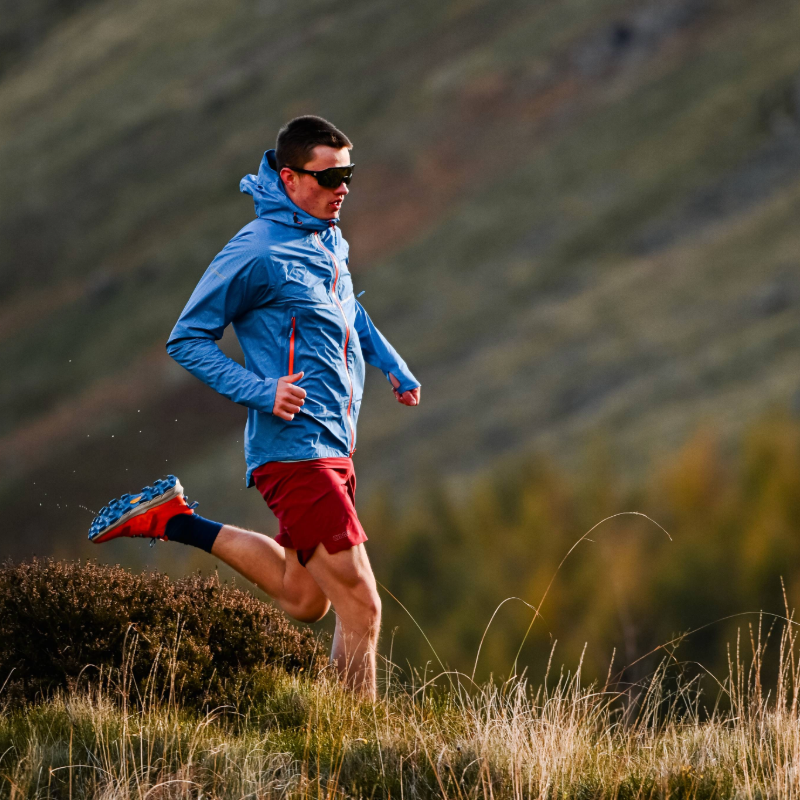
Isaac is running in nature while wearing a blue jacket and red shoes

Isaac's experience

"I had the incredible opportunity to attend the OMM (Original Mountain Marathon) with Lancaster University. During the event this year, athletes took on a challenging orienteering course, which took place over two days in the Lake District, with the elites covering over 85km throughout the event! 

During the weekend, we collected data to investigate the biomechanical and physical effects of an ultramarathon. To do this, we collected pre- and post- race data, which included force data, jump height, foot posture index, and measured the appearance of the athlete's feet using research-grade equipment. Data from more than 40 participants was successfully collected, providing a valuable dataset that will be part of both academic research and help to inform future product development.

It was an invaluable experience that strengthened my research and data collection skills and gave a unique insight into this type of endurance sport. Additionally, I got the opportunity to model for their new fall shoes, which was a cool experience for me!"