
Further Education

FE Students at the MBC Conference, where they received their awards for completing the MBC Passport

Exploring sustainability through the lens of careers and entrepreneurship

Further Education Approach

The Further Education approach to Morecambe Bay Curriculum focuses on how we can take social action on a personal and collective level. Led by student interests, this work is inspired by the idea that 'every career in the future will be a green career'. Work with FE students is student-led but underpinned by cutting-edge thinking on future skills, economic regeneration and green jobs.

Resources link students to broader skills which support future careers and recognise their achievements.
Green Side Hustle

Throughout 2025 and 2026 the MBC FE Working Group have been exploring ways to engage learners in sustainability through the lens of their career aspirations and entrepreneurship.

The Green Side Hustle resources, developed by the FE Working Group challenge learners to create a green business idea focused on solving problems here in Morecambe Bay, linking to nature, green tech or environmental opportunities. Watch the introductory video here to understand more about the project! The resources below are designed for tutors to help shape entrepreneurship sessions with learners.

‘Resources for our Bay’: Research-Enhanced Further Education Provision Teaching Resources

Lancaster University researchers have been working alongside FE Tutors from Lancaster and Morecambe College and Myerscough College to develop educational resources that link to place-based and sustainability research on topics such as ecology, architecture and construction, flood prevention, animal behaviour and art.

Explore the resources below, designed to be adaptable to different settings around the Bay:

Art and Design

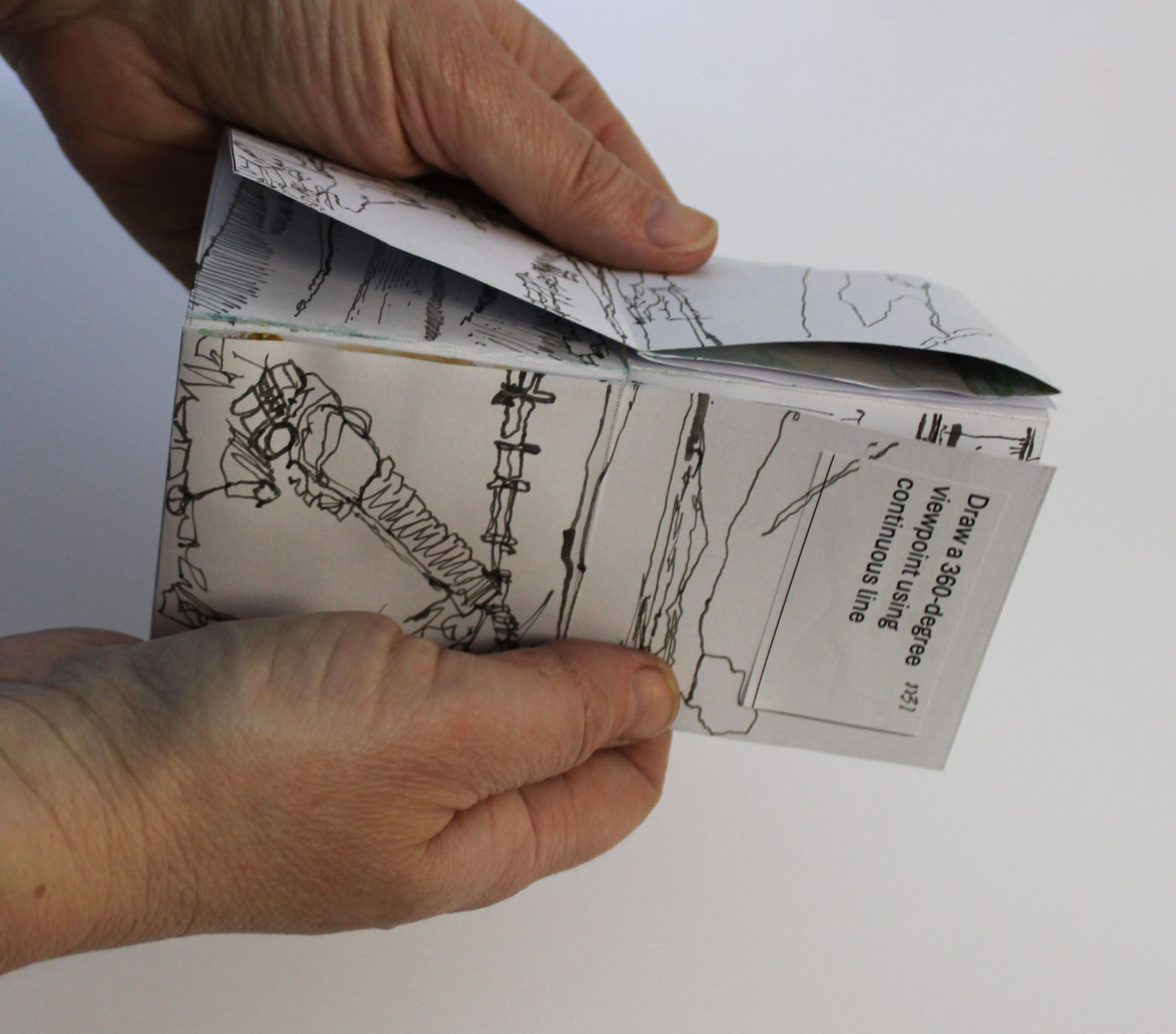
Origami inspired art tool
Sneak peak into the artistic tools you can create!

Lenses on the Bay

Developed by: Clare Anderson, LMC and Dr Serena Pollastri, LU

Use the Flexagon Notebook to connect directly with your surroundings. Engagement with coastal environments is a great way to challenge learners to think critically about place, human and non-human inhabitants and the multiple futures imagined. An over-reliance on mobile technologies can generate distance and skew the experience towards one that is mediated by technology. Explore this resource and explore the bay first-hand!

Lenses on the Bay Overview

Lenses on the Bay Resources - Free Dropbox Download

Animal Care and Management / Environmental Science / Applied Science / Biology

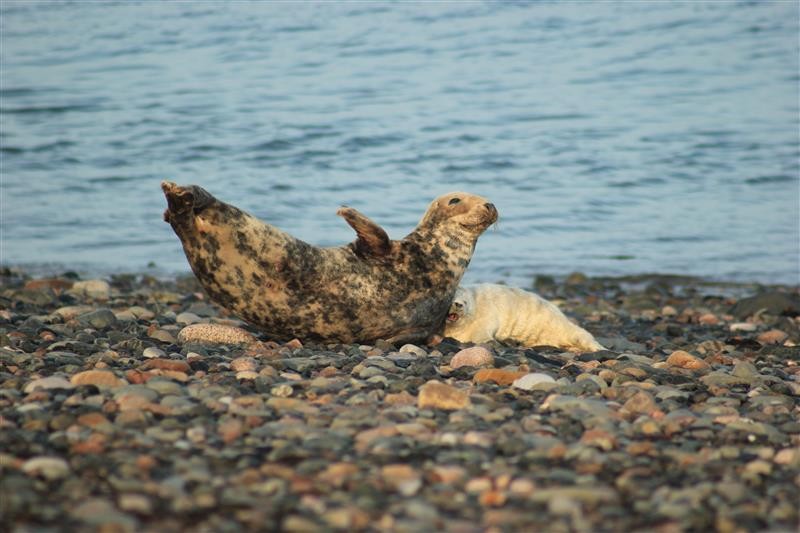
2 x banana seals on Walney Island, one grown up and one pup
Credit: Cumbria Wildlife Trust

Signals from the Bay: Grey Seal behaviour in a changing ecosystem

Developed by: Vic Bond, LMC and Sally Keith, LU

How can animal behaviour help us protect the natural world? This cutting-edge learning involves how changes in behaviours can act as an early warning system for environmental disruption. Using video footage of grey seals from Walney Island, they will learn how scientists observe, record and analyse behaviours such as feeding, social interactions and vigilance to detect signs of stress before populations begin to decline. Discover how to take action to protect ecosystems before serious damage occurs!

Signals from the Bay - Grey Seals Overview

Signals from the Bay - Grey Seals Resources - Free Dropbox Download

Construction

Architectural Design
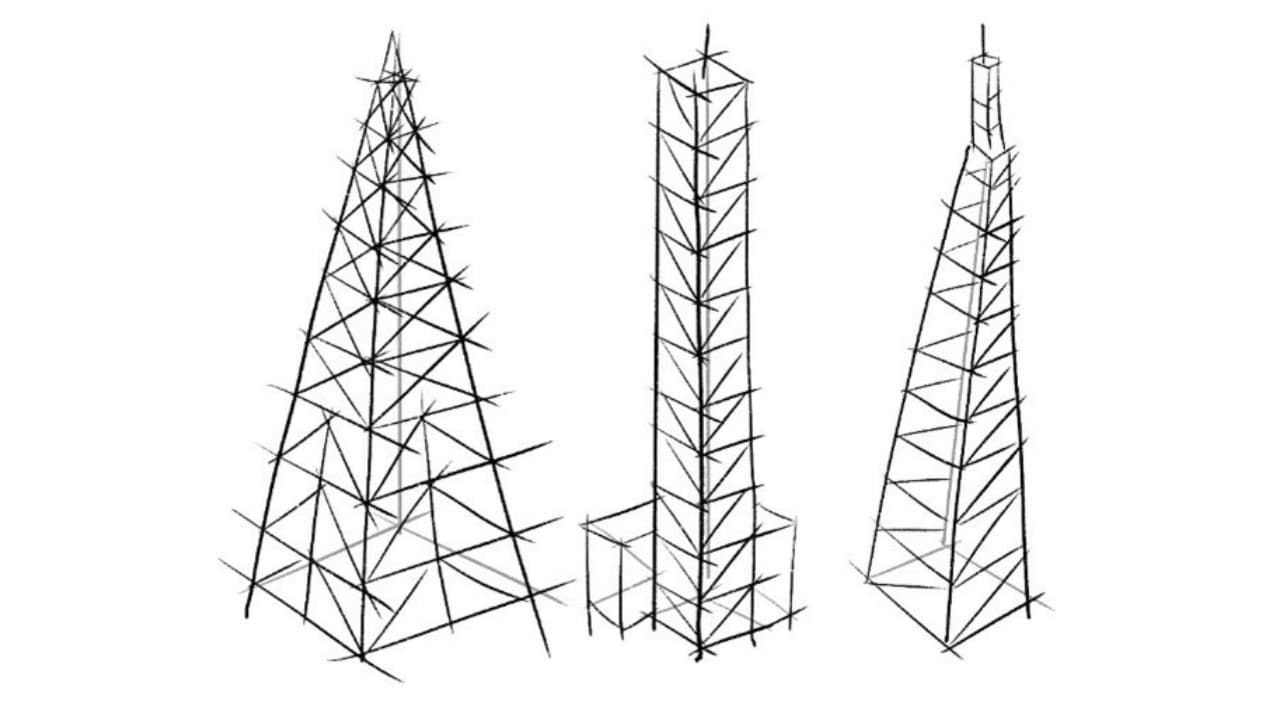
Examples of Construction based on Biomimicry

Sustainable Construction and Biomimicry

Developed by: Sam Taylor, LMC and Professor Des Fagan, LU

Biomimicry can be used as a framework for learning and applying construction skills. This interdisciplinary approach ties together local nature with sustainable building practices.

As they study Common Orb Spiders and Reed Warblers, your learners will gain practical skills and foster a sense of place, purpose and pride.

Sustainable Construction and Biomimicry Overview

Sustainable Construction and Biomimicry Resources - Free Dropbox Download

Tourism

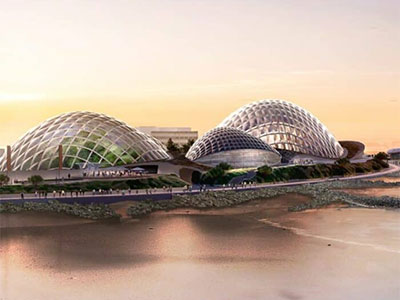
Glass domes of an Eden Project.
Artist impression: Eden Project Morecambe

Eco Tourism: A Comparative Study of Local, National and Global Tourist Locations

Developed by: Gemma Chambers, LMC and Maggie Cawthorn, LMC and LU

This resource takes you to Eden Project Morecambe, Penzance and Bwindi, Uganda.

As you metaphorically fly off to these destinations you will gain insight into how tourism can enhance and damage the locality, both socially and environmentally. Your learners will identify and develop the values they wish to promote and explore how their behaviours impact the environment.

Eco Tourism: A Comparative Study Overview

Eco-Tourism: A Comparative Study Resources - Free Dropbox Download

Agriculture

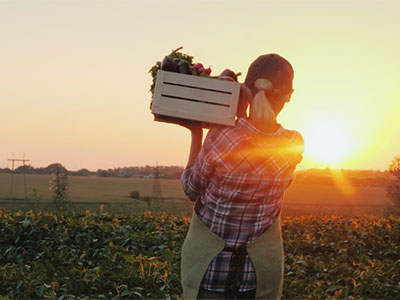
Farm worker carry a box of fruit
Local Agriculture, Food and Choices

Understanding the Impact of Food Choices: Investigating Carbon and Water Footprints

Developed by: Sarah Urmson, Emily Curtis, Myerscough College and Professor Ian Dodd, LU

How can consumers better understand the environmental impact of their food choices?

Scientific knowledge underpins the research learners undertake, enabling them to consider other people, animals and nature when making decisions.

Understanding the Impact of Food Choices Overview

Understanding the Impact of Food Choices Resources - Free Dropbox Download

Sports Turf

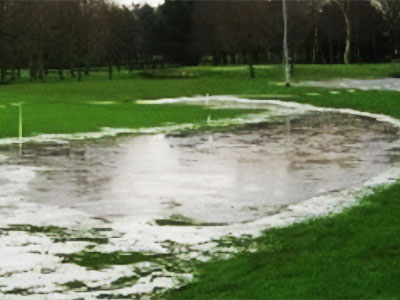
Flooded sports turf
Flooded sports turf at Myerscough College

Flood risk in sports turf: climate change adaptation (measures) and mitigation (action)

Developed by: Sarah Urmson and David Leach, Myerscough College and JBA Trust

Flooding is impacting college grounds, resulting in sports postponements and cancellations. How can we mitigate this, adapt our grounds and be more prepared?

By creating real-life risk assessments, learners are encouraged to be solution focused when tackling the symptoms of climate change.

Flood Risk in Sports Turf Overview

Flood Risk in Sports Turf Resources - Free Dropbox Download