
Low Carbon Energy

Addressing major scientific and technological challenges in emerging energy technologies and sustainability

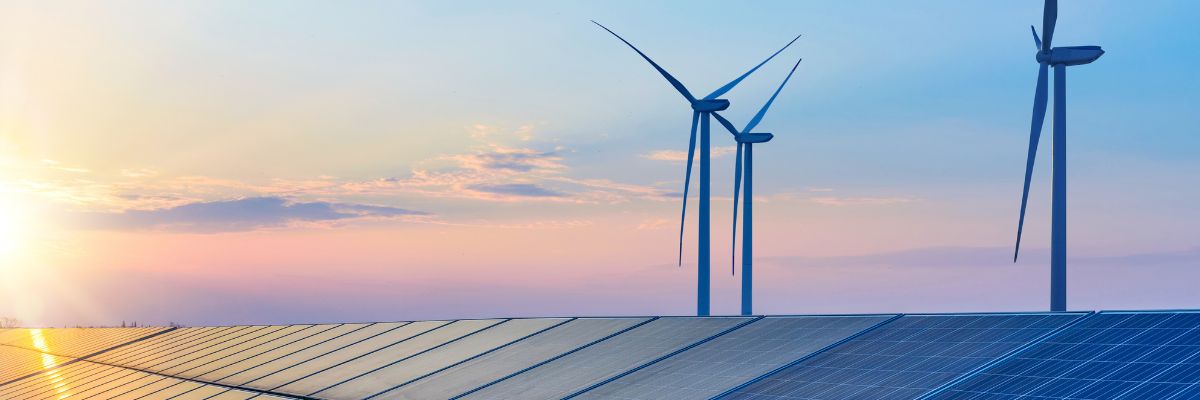
Solar panels and wind turbines

About us

We are concerned with the technological, environmental, economic and social dimensions of low-carbon energy and its role in supporting the UK’s transition towards a secure, resilient, sustainable and affordable energy system. The Low Carbon Energy Group brings together multidisciplinary expertise across three closely connected areas.

  • Renewable Energy: Our research covers wind, wave, tidal and solar energy, and energy conversion systems, addressing technology development, performance, reliability, condition monitoring, mitigation and control strategies, resource assessment and techno-economic feasibility.
  • Low-Carbon Processes and Technologies: Our research includes hydrogen production and utilisation, fuel cells, energy and thermal storage, electrochemical energy, sustainable fuels, carbon capture and usage, microfluidic processes and other emerging technologies that can contribute to the decarbonisation of energy-intensive systems.
  • Energy Systems and Renewable Integration: We investigate the planning, modelling, optimisation, control and operation of increasingly complex energy systems, including electricity networks, microgrids, distributed renewable generation, electrical machines, energy storage, systems dynamics, power electronics and electric vehicles. We integrate these energy systems with low-carbon processes and technologies to address both supply-side and demand-side challenges associated with the energy transition.

Our facilities and expertise support proof-of-concept testing, experimental investigation, system modelling and simulation, performance assessment, techno-economic analysis and model validation. Through multidisciplinary collaboration and the application of digitalisation techniques, including artificial intelligence and digital twin technologies, we aim to develop and demonstrate integrated whole-system solutions that support and accelerate the UK’s transition towards a low-carbon energy system.
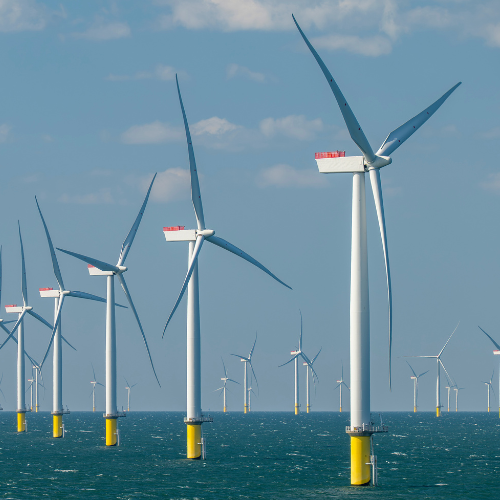
An offshore wind farm

Wind Energy

Wind energy research brings together complementary expertise in wind turbine aerodynamics and performance, computational fluid dynamics and modelling, condition monitoring and fault diagnosis, predictive maintenance, power electronics, electrical machines, renewable energy integration, and associated data-driven modelling and AI solutions. Our multidisciplinary research aims to improve turbine power output and energy yield, reduce operation and maintenance costs, and enhance the reliability, availability, efficiency and overall performance of wind energy systems.

Current projects address challenges including autonomous condition monitoring, wind farm wake steering and control, offshore wind turbine performance, blade degradation, aerodynamic interactions in large wind farm clusters and marine environments, power conversion and grid integration.

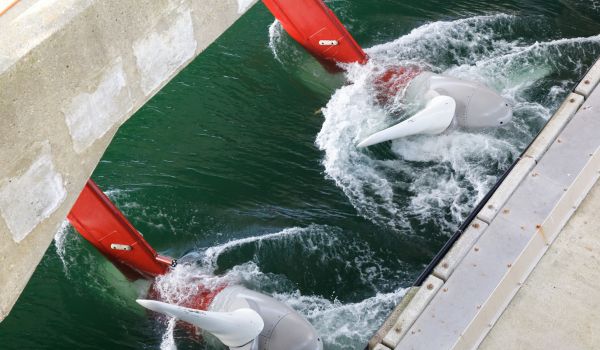
A wave

Marine Energy

The group has a substantial history within the EPSRC SuperGen Marine programme, which connected Lancaster to the UK's wider marine energy research infrastructure.

Over several decades, our research has helped establish Lancaster as a centre for marine renewable energy engineering. We have developed and sustained specialist experimental infrastructure, contributed to national and international marine energy research networks and testing methodologies, supported regional tidal and hydropower development, informed technical and economic decision-making, generated intellectual property and prototypes, and trained engineers who have taken this expertise into academia and industry.

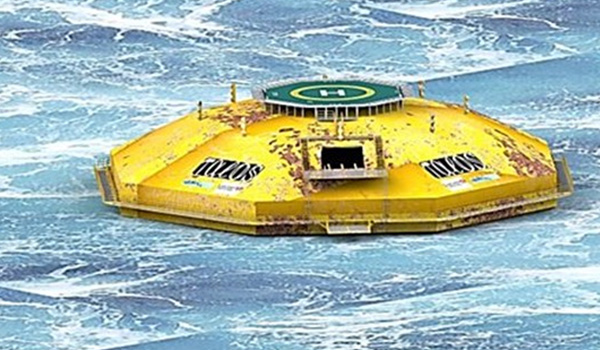
Our pioneering work includes the development and testing of a range of wave energy devices and concepts, including flexible-body and attenuator devices, inertial and point absorbers, seabed-mounted and nearshore systems, and resonant surge converters such as the Flexible Bag, Frog, PS Frog, Frond, WRASPA, Seaweaver and GAIA. The latest NHP-WEC/TALOS project represents the next stage of this strategy, combining novel multi-axis wave energy converter with forecasting, intelligent control, reliability and survivability research to address the barriers between laboratory innovation and commercially credible marine energy systems.

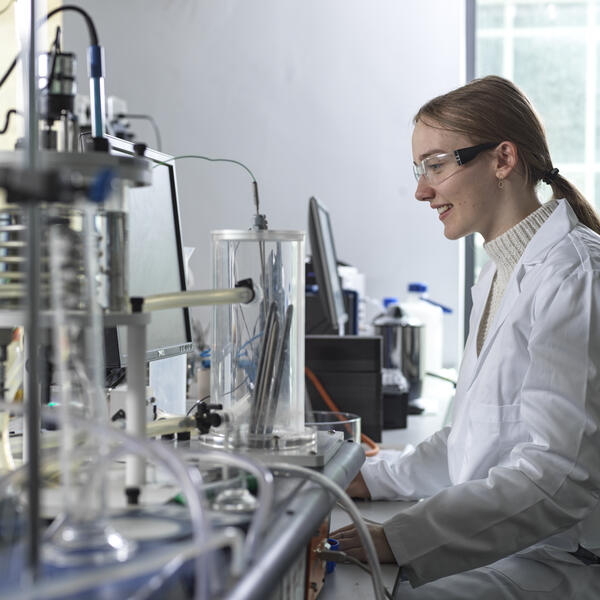
A student working in the Chemical Engineering labs

Energy Storage, Hydrogen and Fuel Cells

Our research activities span hydrogen production, bio-based hydrogen storage, fuel-cell and electrolyser development, battery systems and system-level energy modelling, supported by national and international collaborations and industry engagement. We address key challenges in the transition to secure, flexible and low-carbon energy systems, including improving the efficiency, performance, reliability and scalability of energy storage and hydrogen technologies and their energy integration.

Research includes both EPSRC- and industry-funded projects through schemes such as the H2FC Supergen, CASE studentships and via our industrial networks. We have an extensive range of facilities, including standard analytical and electrochemical diagnostic equipment, but also two gas-safe laboratories and the capability for the automated, unattended running of devices.

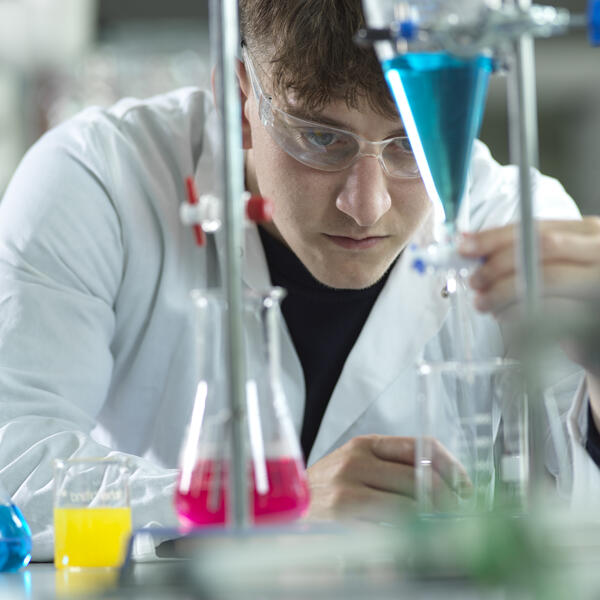
A student working in the Chemical Engineering labs

Electrochemical Energy and Sustainable Fuels

Our research includes hydrogen reactions and conversion, low-carbon energy processes, and process intensification for industrial decarbonisation. We work on high-pressure catalytic reactions, continuous-flow processing, gas/product characterisation, membrane fabrication and testing, pressurised catalytic reactor systems, hydrogen production and separation, and process modelling and simulation software.

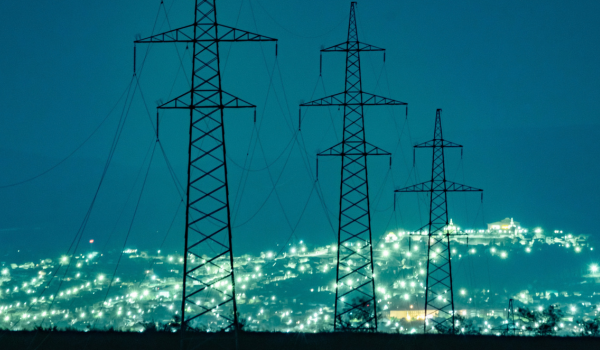
Solar panels and electricity pylons

Electricity Networks and Renewable Integration

Our research spans microgrids, grid-connected systems, electrical machines, renewable energy integration, power electronics, energy storage, systems dynamics, energy management and intelligent monitoring, addressing key challenges associated with the transition to a low-carbon electricity system. Supported by national and international collaborations and industry engagement, our research develops technologies and engineering approaches to improve network reliability, power quality, operational efficiency and the effective integration of renewable energy.

Examples of our current projects include the autonomous power grid operation project, which investigates distributed monitoring, autonomous and learning-based frameworks, and adaptive network operation, enabling power systems to self-monitor, self-maintain, self-heal and self-reconfigure in real time. These capabilities are critical to the development of resilient, intelligent and autonomous future electricity networks.

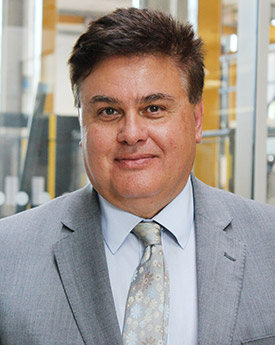
Group Lead

Xiandong Ma

Dr Xiandong Ma

Reader in Power and Energy Systems

AIRS-NFM, DSAIL - Foundations, Energy, Energy Lancaster, Renewables, TALOS

+44 (0)1524 593700 Engineering Building

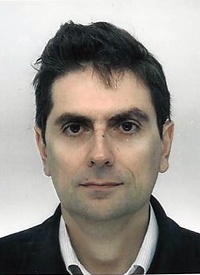
Deputy Group Lead

Giuseppe Bagnato

Dr Giuseppe Bagnato

Lecturer in Chemical Engineering

Chemical Engineering Research Group, Energy Lancaster, TALOS

B13, B - Floor, Engineering Building

Energy Lancaster

The Engineering Energy research group and LUREG also feed into the Energy Lancaster multi-disciplinary research centre. Energy Lancaster brings together Lancaster University's world-leading expertise in a wide range of energy-related areas covering demand, supply and storage, as well as their environmental and societal impacts.

Energy Lancaster

Highlighted Projects