.jpg)
About the weather station
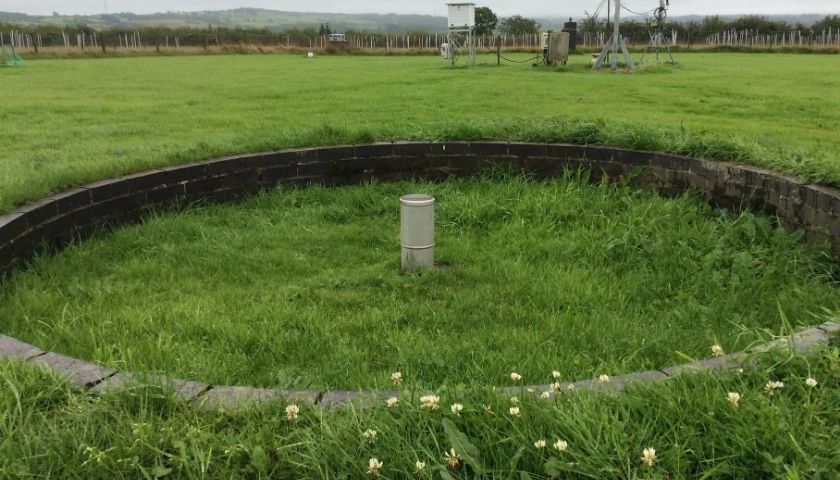
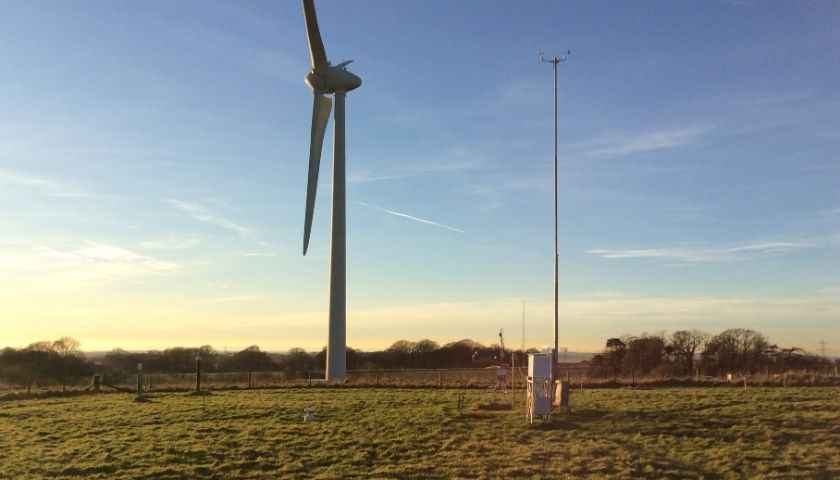
Hazelrigg weather station, up on the hill near the University’s wind turbine, has been recording daily weather observations since 1976, with another 10 years or so of data from a site on Campus preceding that. It is a Met Office climatological station, and the data we record contributes to the long-term climate record for the UK, as well as helping to verify weather forecasts and climate models.
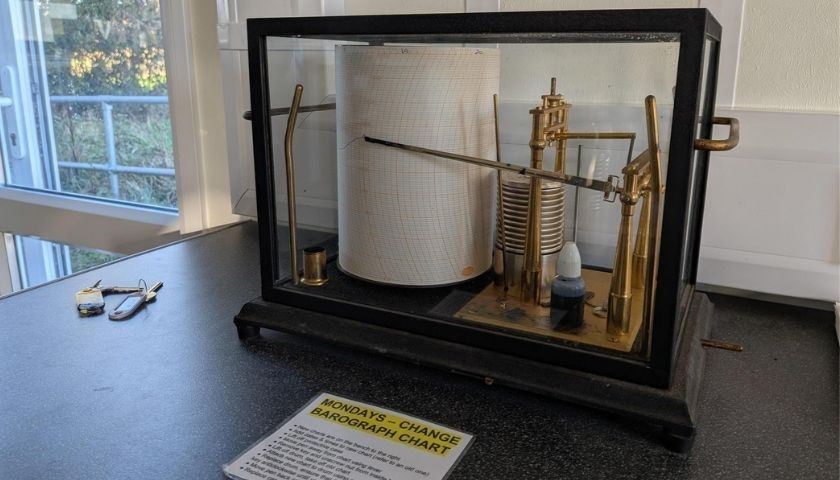
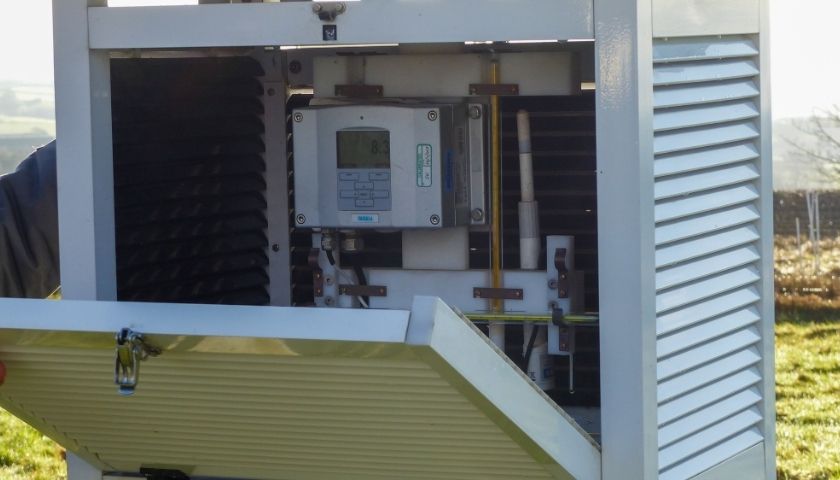
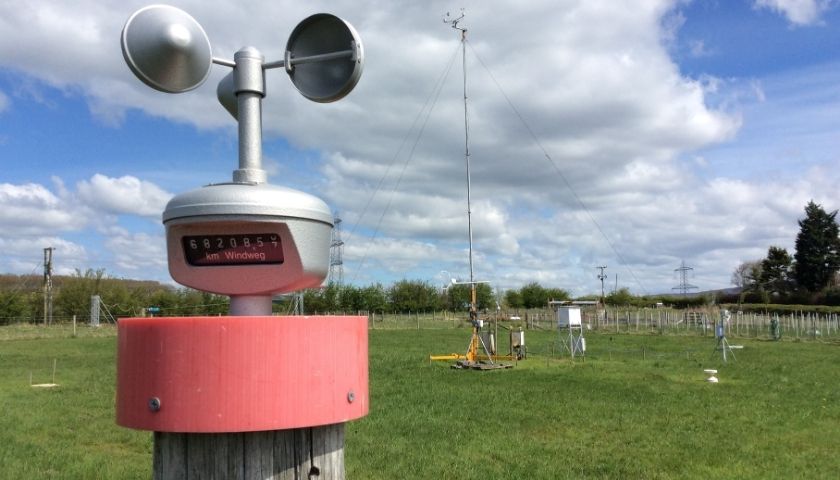
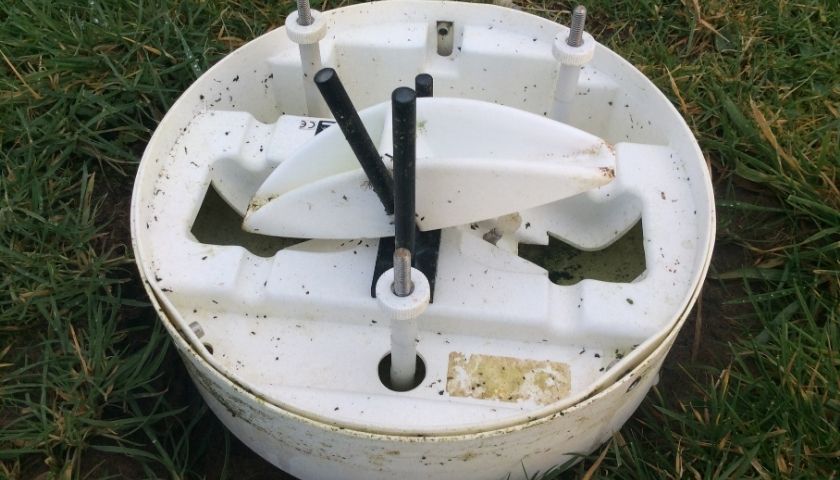
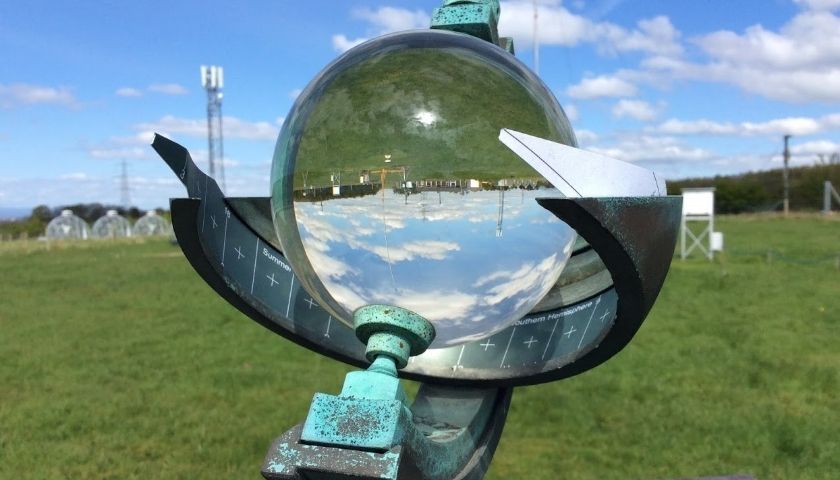
Every morning at 0900 UTC, measurements are taken of key climate variables such as daily maximum and minimum temperatures, rainfall and sunshine totals; as well as observations of cloud cover and type, wind speed and direction, present weather, visibility, ground (or snow) conditions, soil temperatures and overnight minimum temperatures over grass and concrete surfaces. These records are made using instruments (or techniques) that are standardised across all the Met Office sites and have remained broadly similar for many decades. They all need to be placed in a particular way in suitable locations to maximise the consistency of standards between sites, and over time.
It is the consistency and continuity that make the data valuable as a kind of benchmark against which the vast amount of modern digital data from automated systems can be compared with the historical record. However, it does require that someone be there at exactly the same time, 365 days a year. For that reason, we are always looking for volunteers to get involved - please do get in touch if you'd like to help out.
As well as the Met Office climate data, we have data from two automated weather stations, which are also available for research, teaching and student projects. Everything is continuously logged as 10-minute averages/totals. The variables measured are:
- Atmospheric pressure
- Air temperature and relative humidity
- Grass & concrete surface temperature
- Soil temperatures at 5, 10, 20, 30, 50, 100 cm depth
- Rainfall accumulation
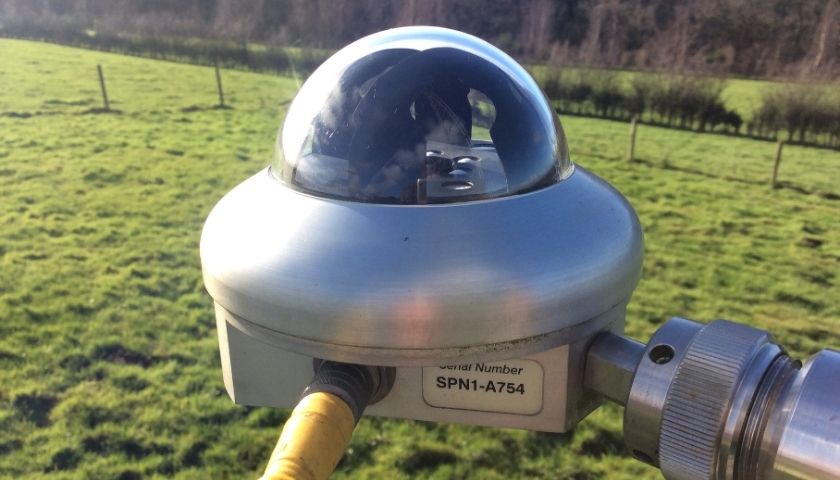
- Sunshine duration, and levels of total and diffuse solar radiation
- Wind speed & direction at 10 m height