
Biomedicine Research Projects

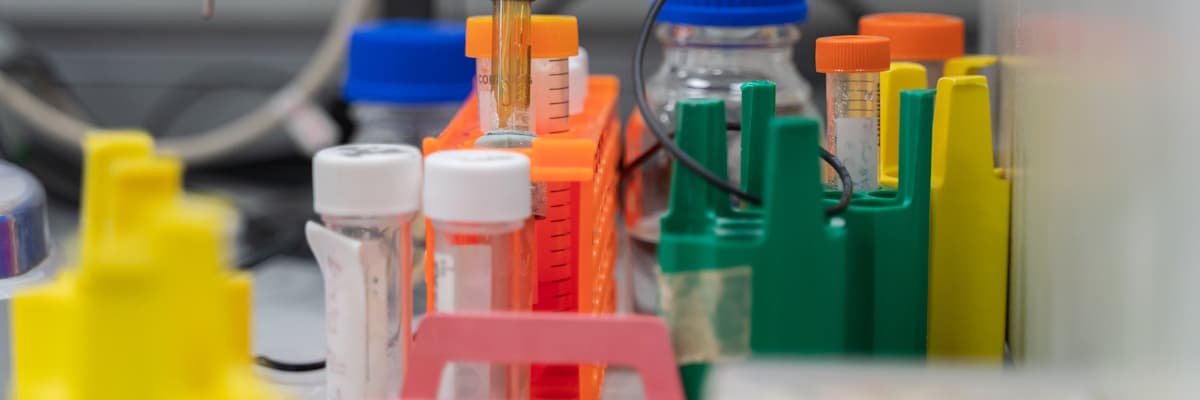
Laboratory bottle on a desktop

Select your supervisor

We are excited to provide MSc Biomedicine offer holders the opportunity to pre-select your project supervisor.

We have curated selection of research projects, provided by leading academics from across various fields, spanning various disciplines, methods, and approaches - including wet (lab-based), dry (computer-based), or mixed methodology. We hope you explore the projects outlined below and select those that align best with your academic and research interests.

How do I choose?

Once you decide on the project that interests you the most, follow the link and let us know about your choice. You can choose up to five projects from the list. After everyone makes a choice, the project will be assigned to you based on availability.

Please submit your project choice as soon as possible. If you have any queries, you can contact Dr Barbara Shih (b.shih@lancaster.ac.uk).

Choose your supervisor

Dr Amy Saunders

My research is focused on how the skin immune system functions, and what is dysregulated in inflammatory skin diseases such as psoriasis and atopic dermatitis (eczema). My lab is particularly interested in the roles of gamma delta T cells and innate lymphoid cells in mediating skin inflammation, and we also aim to understand how immune responses in skin are regulated and how inflammation is resolved in a healthy manner. The overall aim of our research is to deepen our understanding of immune responses and inflammatory disease in skin, so this knowledge can improve treatments for skin conditions in the future.

Project keywords: Immunology

Project types: Wet, Mixed

Find out more about Dr Amy Saunders here.

Dr Andrew Fielding

We are a cancer cell biology lab and are particularly interested in developing and testing novel therapeutics to specifically inhibit the growth/interfere with mitosis and the cell cycle of aggressive cancer types, such as triple-negative breast cancer and metastatic uveal melanoma. We do this using 2D and 3D cancer cell models...

Project keywords: Cancer cell biology and testing of novel anti-cancer compounds

Project types: Mixed

Find out more about Dr Andrew Fielding here.

Dr Caroline Dewar

Mitochondria are essential energy-generating organelles in most eukaryotes. Our research focuses on understanding the pathways controlling mitochondrial function in a human pathogen, the 'Sleeping Sickness' parasite Trypanosoma brucei. We have identified two novel pathways which counter mitochondrial dysfunction. These pathways involve many unusual proteins that still need characterising, and which potentially could become drug targets.

Project keywords: Mitochondria, parasite, protein quality control, ubiquitin-proteasome system, convergent evolution
Project types: Wet

Find out more about Dr Caroline Dewar here.

Dr Benedicta Quaye

I am an anatomist and medical educator with research interests in cardiopulmonary anatomy, public health, and medical education. My work explores sex-specific differences in disease presentation, particularly in cardiopulmonary conditions, and how these differences can be better reflected in clinical training and public health education to improve equity in care. Alongside this, I am interested in studying student learning behaviours, focusing on how students adapt to the challenges of balancing expectation of higher education.

Project 1

Cardiovascular disease (CVD) is the leading cause of death globally and among women. Women often present with atypical heart attack symptoms such as fatigue, shortness of breath, nausea, or back pain which are frequently unrecognized, leading to delayed care and worse outcomes. This project explores awareness of these symptoms among students, junior doctors, and the public, aiming to improve medical training, public education, and reduce sex-based disparities in cardiovascular care.

The findings would highlight strategies to reduce sex-based disparities in cardiovascular care.

Project 2

Time management is essential for success in higher education, helping students balance heavy workloads, assessments, and independent learning. Poor time management among students is linked to stress, burnout, and lower academic performance. This project explores how students manage their time, aiming to identify strategies that support well-being, resilience, and academic success, and inform curriculum design, workshops, and institutional policies promoting effective time management. Additionally this will help understand how students navigate time and identify strategies to support them.

Project keywords: Cardiovascular/ Cardiopulmonary or Medical education

Project types: Dry

Find out more about Dr Benedicta Quaye here.

Dr Barbara Shih

My lab uses various bioinformatic methods to explore the genome-wide gene expression in skin, from normal physiological states, developmental stages, aging, inflammatory disorders, to cancers. By doing so, we aim to identify gene differentially expressed between the cell types or disease states. Key methods we use include coexpression network analysis (Graphia), single-cell RNA sequencing, and spatial transcriptomics. My lab predominately utilizes publicly available datasets or dataset already generated by my lab. Prior experience in programming is required.

Project keywords: Chronic wound, inflammatory skin disorders, single-cell transcriptomics, spatial transcriptomics

Project types: Dry

Find out more about Dr Barbara Shih here.

Dr Caroline Weight

The bacterium Streptococcus pneumoniae normally lives in the nose without causing problems. However, if it gets into the lungs, the blood, or the brain, it can cause pneumonia, sepsis, or meningitis, respectively. These diseases kill over one million people every year, mainly young children and older adults. For disease to occur, the pneumococcus must cross the epithelial lining of the nose which acts as the first line of defence and forms a protective barrier. We study how pneumococcus interacts with human respiratory epithelial cells under various environmental conditions using complex in vitro/ex vivo infection models.

Project keywords: Factors affecting susceptibility to respiratory infection

Project types: Wet, Mixed

Find out more about Dr Caroline Weight here.

Dr Cheryl Hawkes

My research focuses on factors that affect brain development and degeneration and their intersection. In particular, I investigate how pre-conception and perinatal obesity impacts on brain development and maturation across the life course and whether this predisposes offspring to Alzheimer’s disease (AD) in later life. I also investigate how the cerebrovasculature is altered in AD, and how this leads to the development of cerebral amyloid angiopathy and vascular dementia...

Project keywords: Impact of paternal obesity on neuronal and glial cells, role of perivascular fibroblasts in CAA

Project types: Wet

Find out more about Dr Cheryl Hawkes here.

Dr Ed Parkin

Our research centres around proteins involved in the pathogenesis of diseases such as prostate cancer and Alzheimer's disease (AD). Currently, we are focusing on the amyloid precursor protein (APP) and phosphodiesterase 4B (PDE4B). In addition to investigating the functions of hitherto uncharacterized fragments of APP, we are investigating the potential application of 'PROTACs' for the depletion of PDE4B and associated AD therapeutics.

Project keywords: Molecular biology and cell culture-based applications

Project types: Wet

Find out more about Dr Ed Parkin here.

Dr David Clancy

I mostly use the model organism Drosophila melanogaster, the fruit fly, mostly in ageing research. Age is the major risk factor for >80% of causes of death over 65 years old, yet the basic molecular causes of ageing are still not well understood.

My lab works in four main areas:

1/ generating and testing candidate transgenics in Drosophila as potential drug targets for extending healthy lifespan
2/ testing candidate drugs in Drosophila to extend healthy lifespan
3/ quantifying mtDNA deletions to understand whether and to what extent they might be fundamental causes of ageing
4/ Drug discovery: using HPLC to fractionate antibiotic, antiviral and anticancer small molecules from the surface of fly eggs.

Project 1. (Wet)
We selected Drosophila for exceptional longevity, and have RNA-seq data identifying over- or under-expressed genes in long-lived flies. These genes have homologues in humans. You will create transgenic constructs for two of these genes, using molecular biology techniques such as PCR and sequencing, cloning and ligation. They will be made as GeneSwitch-GAL4 strains. A MSc project can run a lifespan experiment testing another gene in parallel with the molecular work.

Project 2. (Wet)
We are looking for novel compounds to treat cancer in humans. We have demonstrated that Drosophila fruitflies secrete or excrete substances that have antimicrobial, antiviral and anticancer activity. This is likely to be for protection of the larvae once they emerge from the eggs. Your project will use HPLC to fractionate and purify these secretions further to try to isolate individual active small-molecule anticancer compounds. We will test fractions for effects on growth of several diverse cancer cell lines using MTS assays in 96-well plates, and examine effects on cell cycle and apoptosis using flow cytometry and fluorescence microscopy.

Project 3. (Wet)
We are looking for novel compounds to treat cancer in humans. We have demonstrated that Drosophila fruitflies secrete or excrete substances that have antimicrobial, antiviral and anticancer activity. This is likely to be for protection of the larvae once they emerge from the eggs. Your project will use HPLC to fractionate and purify these secretions further to try to isolate individual active small-molecule anticancer compounds. We will test fractions for effects on growth of several diverse cancer cell lines using MTS assays in 96-well plates, and examine effects on cell cycle and apoptosis using flow cytometry and fluorescence microscopy.

Project 4. (Mixed)
The basic molecular causes of ageing are not well understood. We are developing an assay to quantify levels of a deletion in mitochondrial DNA in single Drosophila using a real-time PCR-based technique, and a method for preparing mtDNA for deep sequencing, to characterize and quantify all the indels in a single fly. You will subject flies to a variety of treatments to see what increases and what protects against mtDNA deletions (a task impossible in humans and expensive and difficult in mice),and determine the relevance or otherwise of mtDNA deletions to ageing.

Project keywords: Ageing, Drug discovery, Antibiotics, Drosophila, mtDNA
Project types: Wet, Mixed

Find out more about Dr David Clancy here.

Dr Karuna Katti

I am a medical doctor teaching anatomy to various cohorts like MBChB, dentistry, biomedical sciences, etc. My research interests are mainly clinical anatomy and medical education.

Project 1 (Dry): Creating a pedagogical resource for histology using Anatomage
The Anatomage Table offers high-resolution, interactive 3D models that can transform histology education. This project aims to design and evaluate a curriculum-aligned pedagogical resource using Anatomage to enhance student understanding. Histology is a core component of biomedical sciences, yet students often struggle to interpret 2D slides and connect them to 3D anatomical structures. This project aims to design, develop, and evaluate an interactive, curriculum-aligned pedagogical resource for histology using the Anatomage Table. The resource will be tailored to undergraduate biomedical science students and will focus on enhancing comprehension, engagement, and retention of histological content through dynamic 3D visualization.

Project 2 (Dry): Creating a pedagogical resource for neuroanatomy using Anatomage
The Anatomage Table offers high-resolution, interactive 3D models that can transform neuroanatomy education. This project aims to design and evaluate a curriculum-aligned pedagogical resource using Anatomage to enhance student understanding of neuroanatomy. Neuroanatomy is part of biomedical sciences curriculum, yet students often struggle to interpret 2D images and connect them to 3D anatomical structures. This project aims to design, develop, and evaluate an interactive, curriculum-aligned neuroanatomy teaching resource using the Anatomage Table, enhancing student understanding of complex neural structures and pathways through immersive 3D visualisation.

Project 3 (Dry): Breast cancer awareness and screening behaviours: public understanding of self-examination and mammography
Breast cancer rates in Lancashire, particularly in the Morecambe Bay area, are higher than both the Northwest and England averages. This study aims to evaluate public understanding of breast cancer, with a particular focus on awareness and practice of breast self-examination (BSE) and participation in mammography screening. Using a knowledge, attitudes, and practices (KAP) framework, the research will assess how women in Morecambe, UK perceive breast cancer risk factors, recognise symptoms, and engage in preventive behaviours. The project will also explore barriers to regular BSE and mammography attendance, as well as demographic influences on awareness and screening uptake. Findings are expected to provide valuable insights for designing targeted health education initiatives and improving early detection strategies.

Project keywords: Educational
Project types: Dry

Find out more about Dr Karuna Katti here.

Dr Federico Rojas

Our laboratory investigates how post-translational protein modifications regulate the life cycle of Trypanosoma brucei, the parasite causing African sleeping sickness. We identified key signaling pathways that induce parasite cell differentiation, published in our 2019 Cell paper, and now focus on how ubiquitination and ubiquitin-like modifiers (NEDD8, UFM1) trigger this developmental program. We study Cullin ligases and their regulation, as well as novel non-Cullin substrates whose roles are poorly understood. Using genetic tools, proteomics, and biochemical assays, we map enzyme networks and define how these modifications shape parasite biology. Students can join projects in molecular parasitology, protein biochemistry, and cell biology.

Project keywords: Differentiation, Cell cycle, Trypanosomes, Ubiquitin-like proteins

Project types: Wet

Find out more about Dr Federico Rojas Martinez here.

Professor Mick Urbaniak

My laboratory uses a combination of genetics, cell biology and proteomics approaches to understand biological systems at the molecular level. Our research is focused on tropical infectious diseases, primarily eukaryotic parasites including African trypanosomes affecting humans, cattle and game animals and Leishmania species that affect humans and companion animals worldwide.We are studying how these parasites regulate their cell cycle and how they are able to sense and adapt to their host environment by regulating their gene expression. We conduct basic biomedical research utilising in vitro and in vivo techniques to uncover differences between host and parasite biology cthat an be exploited to develop therapeutic treatments.

Project keywords: Parasitology, Neglected Tropical Disease, Cell cycle, Trypanosome, Leishmania

Project types: Wet, Mixed

Find out more about Professor Mick Urbaniak here.

Dr Neil Dawson

My research interests are focused on further understanding the mechanisms through which genetic and environmental risk factors for psychiatric, neurodevelopmental and neurodegenerative disease impact on brain functioning, behaviour and cognition. I primarily address these questions through the use of preclinical rodent models. I also have an interest in developing and validating new translational preclinical models for these disorders for utilisation in the drug discovery process.

Project keywords: Functional brain imaging, gene expression studies

Project types: Wet

Find out more about Dr Neil Dawson here.

Dr Nikki Copeland

Cell cycle, DNA replication and cancer therapies that target the cell cycle.

Bioinformatic analysis of the cancer genome (TCGA) will be used to identify cancers that have poor outcomes with high CIZ1 expression. Approaches that reduce CIZ1 levels will be used to assess cancer vulnerability to depletion of CIZ1 levels and cancer viability.

Project keywords: Cancer cell biology
Project types: Mixed

Find out more about Dr Nikki Copeland here.

Dr Panagiotis Kotsantis

DNA is susceptible to endogenous and exogenous threats that challenge its integrity and may hinder physiological DNA replication progression, causing a situation known as DNA replication stress (RS). Several mechanisms repair RS, but if they fail then accumulation of DNA damage and mutations facilitates genomic instability, which appears at early stages of cancer. Studying the repair mechanisms that protect DNA from RS is crucial as it can be exploited in targeted killing of malignant cells. My lab investigates the RS repair mechanisms that safeguard genome stability. In our research we use mammalian cell cultures as our model system and study DNA damage using techniques such as immunofluorescence, immunoblotting and DNA fibres.

Past project example 1: Investigating histone methylation in R-loop regulation.

Past project example 2: Investigating the role of a ubiquitin ligase in drug treatment in cancer cells.

Project keywords: Genomic instability, DNA damage, DNA repair, replication stress, R-loop biology

Project types: Wet

Find out more about Dr Panagiotis Kotsantis here.

Dr Rachael Rigby

Rachael Rigby’s research interests include how the microbiota influence repair of the intestinal epithelium and develops the immune system. The majority of her research has used the gastrointestinal tract as an organ-system to research immunology and cancer biology pathways. Our research focuses on intestinal epithelial cells and their interactions with immune cells, cytokines and bacteria.

Project keywords: Cancer, Inflammation, cell signalling, gut microbiota, human and animal models.

Project types: Mixed

Find out more about Dr Rachael Rigby here.

Dr Sana Hannan

Our research focuses on understanding brain function in health and disease using neurophysiological methods. Currently, we are particularly interested in epilepsy, sleep, memory and dementia, with an emphasis on analysing electroencephalography (EEG), including high-density EEG and intracranial EEG, and clinical data from human participants.

Project keywords: Computational neuroscience, neurophysiology

Project types: Wet, Dry

Find out more about Dr Sana Hannan here.

Professor Sarah Allinson

Cellular DNA is naturally unstable and constantly subjected to damage and degradation. This harm may arise from environmental carcinogens or from normal cellular processes. If left unrepaired, DNA damage can result in cell death or mutations. While mutations are a major driver of cancer, paradoxically, DNA damage also serves as a key tool in cancer treatment.My research focuses on understanding how cells respond to DNA damage and how these responses can be exploited therapeutically. One active area of investigation in my lab is studying how drugs that inhibit the DNA damage response can be used to enhance the effectiveness of cancer therapies. I also have an interest in identifying the mechanisms of genome maintenance employed by unicellular eukaryotes, including several human parasites.

Project keywords: Novel approaches to treating cancer, identification of novel eukaryotic DNA repair enzymes

Project types: Wet, Mixed

Find out more about Professor Sarah Allinson here.

Dr Shefeeq Theparambil

My laboratory focuses on understanding the functions of non-neuronal brain cells known as glial cells. For a long time, glial cells were considered passive support cells; however, recent research has revealed that they play active and essential roles in key brain functions such as memory, cognition, and brain metabolism, as well as in neurological diseases.

We use an integrated experimental approach to study how glial cells regulate brain function in both health and disease. This includes live-cell imaging of key intracellular signalling molecules such as calcium and cAMP in isolated primary glial cells and brain tissue. In parallel, we use cell-type-specific genetic manipulations to selectively delete or modify genes in glial cells, allowing us to determine how changes in glial signalling influence brain function and behaviour in animal models of disease.

Using these approaches, the lab is currently offering MSc research projects in the following areas:

  • Astrocyte cAMP signalling in Alzheimer’s disease
  • Neuroprotective roles of astrocytes in ischaemic stroke
  • Microglial signalling in hypoxia and cerebral ischaemia

These projects will provide students with training in modern neuroscience techniques, including imaging, molecular biology, and disease-relevant experimental models.

Project keywords: Cellular Neurobiology, Cell Signalling, and Cell Energy Metabolism

Project type: Wet

Find out more about Dr Shefeeq Theparambil here.

Dr Steven Hall

Snakebite affects millions of people annually and is estimated to cause >100,000 deaths and approximately 400,000 life-altering injuries, with those in tropical and sub-tropical Lower- and Middle-Income Countries (LMICs) most at risk. Conventional antivenoms are the current mainstay treatment but are associated with many issues, including high cost, poor stability, the need to be delivered intravenously, and poor efficacy against local tissue necrosis caused by cytotoxic snake venoms. As a pharmacologist, my lab’s focus is the discovery and development of drugs, drug combinations, and drug delivery methods to improve the treatment of snakebite envenoming, with a particular focus on the morbidity caused by snakebite-induced necrosis.

Project keywords: Drug discovery, drug development, drug delivery device development, and improving our understanding of snake venom mechanisms of action.

Project types: Wet

Find out more about Dr Steven Hall here.

Dr Victorio Bambini Junior

My research explores the link between the immune system and the brain, with a particular focus on how skeletal muscle communicates to influence behaviour, cognition, and mental health. I use experimental models of neurodevelopmental and neurological disorders to study how metabolic pathways (such as lipid and energy metabolism) are disrupted, and how interventions like physical activity can restore healthy brain function. Projects in the group combine neuroscience, metabolism, behaviour, and systems biology, offering MSc students hands-on experience with modern experimental approaches, data analysis, and translational questions relevant to brain disorders, exercise, and health across the lifespan.

Project keywords:

Cell culture and molecular neuroscience, including metabolic and immune-related mechanisms relevant to brain function; neurodevelopmental and neurological disorders, with a focus on metabolism, muscle–brain communication, and behavioural outcomes; and exercise biology and brain health, incorporating both mechanistic and translational perspectives. I am also happy to supervise systematic reviews and evidence-synthesis projects in areas spanning neuroscience, metabolism, immunology, and physical activity. Projects may be experimental or literature-based, depending on student interests and background.

Project type: Wet, Dry

Find out more about Dr Victorio Bambini Junior here.