
The student society on the rise as a global consulting agency

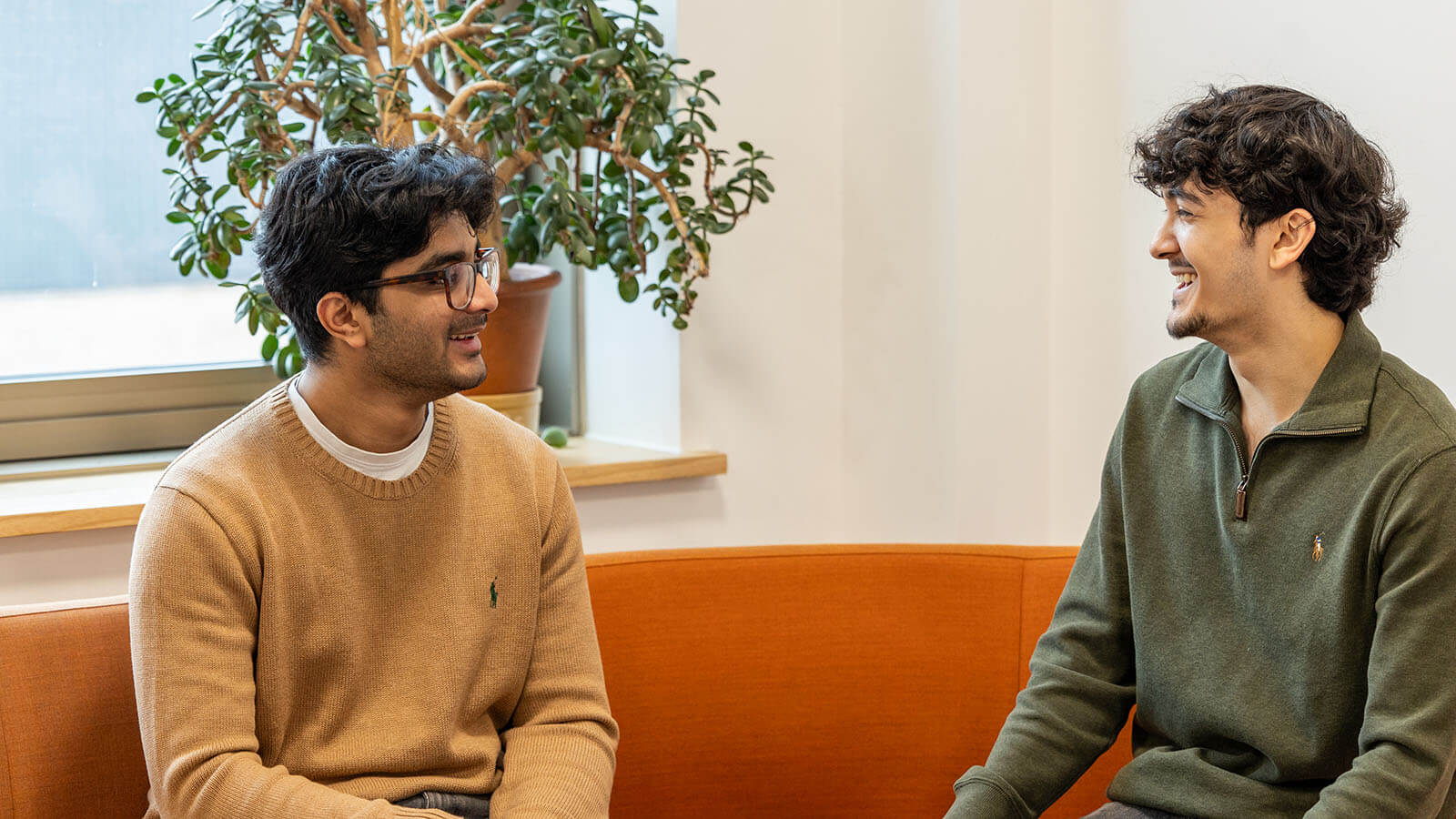
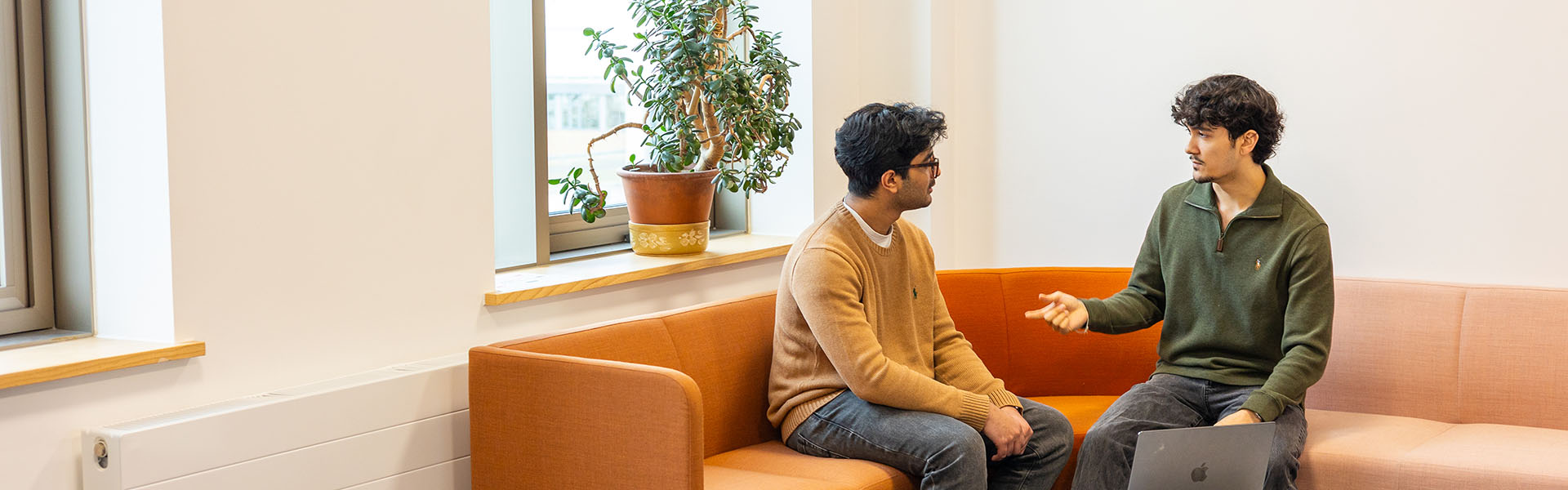
Shathvic and Gabriel, of 180 Degrees Consulting Lancaster, talking at a corner sofa

In 2024, a small group of Lancaster University students who had met through Lancaster Economics and Finance Society took the leap to form their own society.

Their ambition was to create the first ever Lancaster branch of 180 Degrees Consulting, the world’s largest university-based consultancy for non-profits and socially-conscious organisations.

Within a year, the group achieved their aim. The Lancaster branch of 180 Degrees Consulting was established at the start of 2025. Now, they are a student society with over 80 members and an impressive list of consulting clients.

The society’s President and Co-Founder, Gabriel Surette, gives an important reason behind its popularity: ‘There’s not many opportunities in university to get such hands-on experience in a field.’

180 Degrees Consulting Lancaster has completed 19 projects for clients since their founding.

Their student consultants look at an organisation’s processes and give recommendations which clients feed into how they operate their businesses.

Gabriel emphasises the variety in the kinds of consulting work the society gets involved in. ‘There’s so many different things that you can cover as a student consultant.’

Their clients range from international to local organisations. A recent client, GanzAfrica, is based in Rwanda and operates out of several other countries in Africa. The society created a new fundraising strategy for the charity and an audit report on their current fundraising.

Meanwhile, closer to Lancaster University’s campus, the society has worked with Tofos, a café based in Lancaster city centre, and Lancaster University Students’ Union.
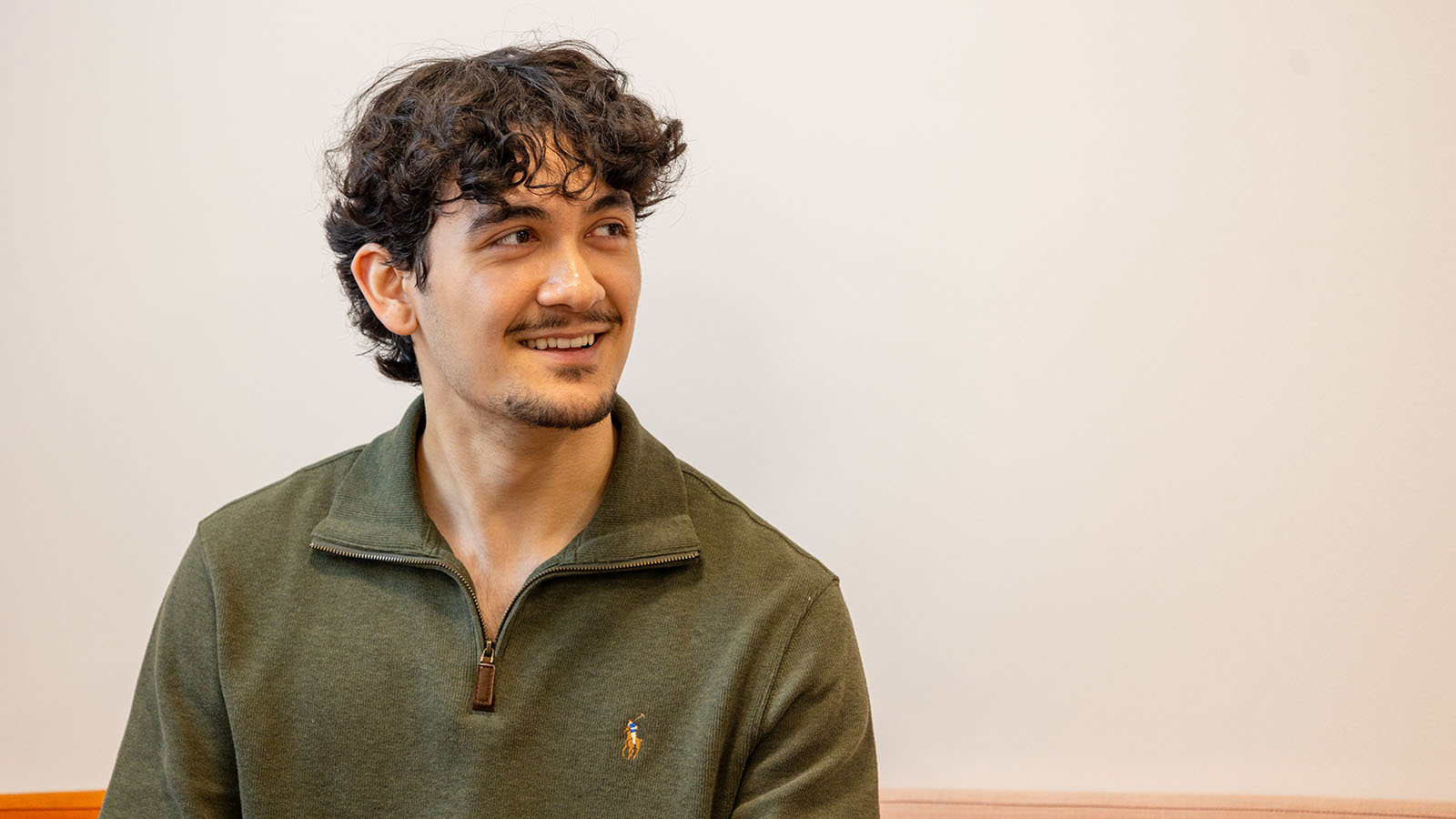
Photograph of Gabriel

Gabriel Surette

Gabriel’s path into consulting was not as straightforward as you might expect of a President of a consulting society. He originally didn’t think consulting was for him.

Over time, he realised how flexible and open-ended the role of consultant could be, which appealed to him.

‘You see a lot of jokes about it online, people asking a consultant what they do and they’ll just give really generic answers like ‘oh, we solve problems’. It’s really funny but there’s a grain of truth in that if you ask one consultant what they do on a minute level and then you ask another, it’s going to be two completely different things.’

After completing a consulting summer internship with a nonprofit, Gabriel was convinced this is what he wanted to do.

His co-founding of 180 Degrees Consulting Lancaster came about through a close partnership with another Co-founder, Shathvic Ganeshan. Gabriel and Shathvic met at a workshop about consultancy Gabriel was speaking at.

Shathvic saw Gabriel as someone who could help him realise his idea of starting a new consulting society. ‘He saw me speak and then afterwards he just pulled me to the side and he pretty much said: yeah, I really like the way you spoke. Would you be interested in helping me start up this new thing?’

Shathvic and Gabriel speaking with one another

Shathvic Ganeshan and Gabriel Surette

To become affiliated with 180 Degrees Consulting they first needed to complete some consultancy projects to prove their group’s suitability. ‘It’s quite a prestigious and difficult affiliation to get. It took us some time,’ Gabriel recalls.

Once the society had achieved this milestone, they quickly gained momentum. As a branch of 180 Degrees Consulting, they got resources for training their consultants and access to consulting projects they could request.

A year on from becoming affiliated, the reputation the society has achieved for its consulting work has brought them to a situation where they no longer need to reach out to organisations to ask for projects, as they did in the early days. Clients now come to them.

‘We have a lot of startups like tech startups that are reaching out to us, more data science projects, more financial projects.’

Of all the skills involved in consulting, Gabriel stresses that the main one that society members develop is the ability to think on your feet.

‘We’ve had situations where a client will randomly disappear right before we have an important data request, meaning we have to adapt and to try and find a way to move on to meet project deadlines, despite the fact that maybe certain pieces of data or information aren’t available.’

Overcoming these challenges, Gabriel says, gives a certain kind of confidence, one he will take with him into his career after graduating. ‘It gives you a sort of confidence that, no matter what environment, no matter what problem, you can still tackle every challenge.’

Read more

This article is part of a series celebrating the student communities that make Lancaster University Management School distinctive.