
Self-driving cars: future or fantasy?
31 October 2013

31 October 2013
The technology may be advancing apace, but is the optimism over the advantages of driver-less cars warranted? Luis Araujo, Katy Mason and Martin Spring raise some important questions.
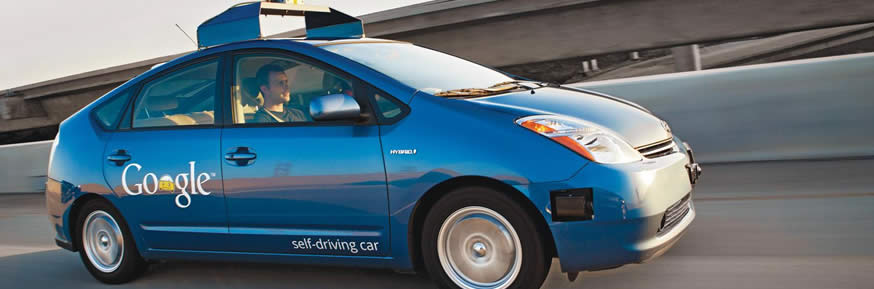
Over the past couple of years, the media have worked up a growing interest in self-driving cars. This interest was sparked off by the Google driverless car and the authorisation by a number of US states for it to circulate in public highways. The frenzy soon reached Europe with some renowned automakers such as Mercedes Benz and Nissan promising affordable and safe driverless vehicles within a decade.
For many, the debate has already moved on to who will be the first mover, who has got the technological capabilities and cost structures to mass produce these vehicles, and who will be the first adopters. Driverless cars are seen as the product of an incremental innovation path that has already brought us cruise control, infotainment systems, parking sensors, autonomous parallel parking and so on. There is little or no questioning that the current infrastructure will cope well. All that is needed are a few regulatory adjustments and a tweaking of insurance rules.
In a recent paper for the Big Innovation Centre, we argued that there are plenty of reasons to doubt this optimism. The (driven) car has spawned a massive socio-technical infrastructure that includes not just cars and drivers, but highway regulations, urban planning, insurance rules, service stations, road rescue systems, and so on. Driverless cars will pose challenges to some if not all components of this socio-technical infrastructure.
Whilst some of the benefits of self-driving cars are immediately appealing and easily measurable (e.g. reduction in fatal accidents due to driver error), there are doubts about the unintended consequences of going driverless. For example, will self-driving cars reduce congestion or encourage even longer commutes? Who will be liable for accidents between driven and driverless cars or between two driverless cars? How will we cope with the increasing volumes of data generated and its communication with both cloud-based services and other vehicles on the road? And how do we guarantee that these systems are secure and immune to hackers?
The answers to some of these questions will determine what the future will hold for driverless cars. The technological challenges may end up being the easiest problems to tackle.
The opinions expressed in our Comment and Analysis articles and in any attached comments are personal, and may not reflect the opinions of Lancaster University Management School. Responsibility for the accuracy of the information contained within these articles resides with the author.