
The perils of jailing forecasters
01 November 2012

01 November 2012
Watch out for the consequences if we don't pay enough attention to the subtleties of forecasters' predictions or give them sufficient leeway for error, warns Robert Fildes.
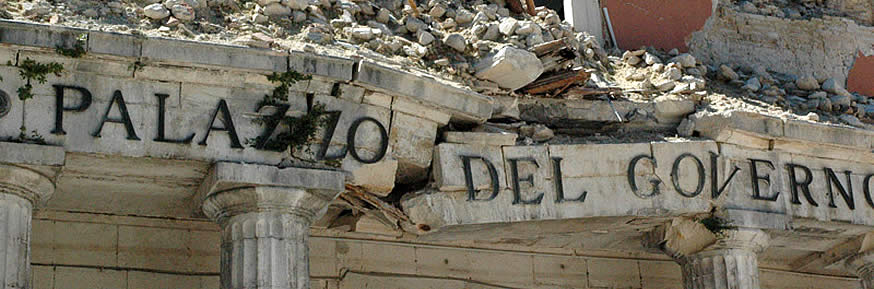
We’ve all read about the guilty verdict on a group of Italian earthquake forecasters with six years in gaol as a possible punishment. Without a rapid reversal of this judgment Italy, a country with an irascible seismic geology, will find itself without any scientists willing to offer forecasts as a basis for public policy.
As all who’ve commented have pointed out, the judgment is risible. And unless you’re Italian you can happily shrug your shoulders and say, ‘that’s the Italian court system for you’. Part of the problem (and the reporting of the case doesn’t make this clear) is how the forecasts were presented to the policy makers. Did the forecasters give the most probable outcome – ‘no earthquake’ or did they talk about the risks?
But forecasters are often blamed for getting it wrong, both in science but also in organisations, in part because those who use their forecasts don’t pay attention to the subtleties of their explanations. This leads to counterproductive behaviour on the forecasters’ part, ignoring the downside as here.
In companies, we find forecasters conspiring to find an error measure that falls within the 10% bounds that their bosses have required. Whether the measure is helpful to the company’s planning is ignored. A somewhat similar situation is where managers exert penalties (by appraisals and bonuses) for one type of directional error, an over-forecast say, whilst the downside is ignored. What is a poor forecaster to do?
So ‘jailing’ forecasters is just a variant of shooting the messenger. If an organisation wants useful forecasters it must avoid penalising incorrect forecasts and put in place a no-blame learning culture.
The opinions expressed in our Comment and Analysis articles and in any attached comments are personal, and may not reflect the opinions of Lancaster University Management School. Responsibility for the accuracy of the information contained within these articles resides with the author.