Summary
EcoArt Elevate is a collaborative impact project with Talebeyiz Biz, an artist youth-hub community and art organisation in Istanbul and Hatay (Turkey), aimed at empowering young artists by upskilling them in eco-art.
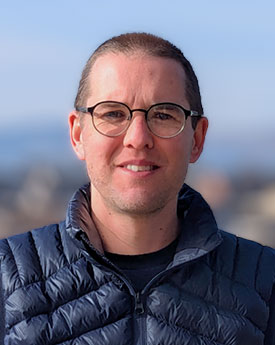
Eco-art involves creating art using recycled, reused, and scavenged materials, promoting sustainability and environmental consciousness. This project is of particular importance to the Hatay region, which is still recovering from the devastating effects of the 2023 earthquakes (the largest in Turkey since 1939). The lead for this project, Dr Melis Cin, is a Senior Lecturer in Education and Social Justice whose work lies at the intersection of education, gender, and international development, particularly in an arts context.
Challenge
EcoArt Elevate addresses the practice of creating art with recycled, reused, and scavenged materials, resulting in a sustainable practice that raises awareness of environmental concerns through the medium as well as the subject. At a time of climate crisis, eco-art emerges as a powerful medium to communicate sustainability.
In Hatay and across southern Türkiye, the aftermath of the devastating earthquake has deepened existing environmental and social challenges. The destruction of infrastructure, combined with rapid urban reconstruction, has intensified issues of waste management, pollution, and ecological degradation in a region already vulnerable to environmental stress. At the same time, opportunities for creative engagement and cultural rebuilding remain limited, particularly for young people affected by the disaster.
Working with these youth through eco-art offers both a pathway for healing and a platform for environmental consciousness. By connecting artistic expression with ecological responsibility, the project transforms recycled and reclaimed materials from the earthquake’s aftermath into symbols of renewal and resilience. The project contributes to the city's cultural and environmental landscape, positioning it as a hub for sustainable creative practices and potentially inspiring similar initiatives in other regions.
Working with young artists, the majority of whom were women, has the potential to challenge the male-dominated dynamics of Istanbul’s creative economy. Women often face barriers in accessing artistic networks, funding opportunities, and public visibility within the city’s art scene. In this project, Cin worked with 10 female and 5 male young artists to create spaces where young women were able showcase their talent and collaborate on sustainability-focused art.
Actions
IAA funding enabled Cin to apply qualitative, participatory and co-creative approaches in arts, education and development research, to eco-art and community development in Turkey, with potential for wider international scaling. 15 young artists were brought together with established eco-artivists in the sector, activists, environment NGOs and creative economy companies. This enabled skills development and capacity in the creation of eco-friendly art, and a pathway for both commercialisation of these creations, as well as awareness raising about sustainability.
This project provided the artists involved with entrepreneurial skills to support their local economies, empowered underrepresented young female artists, enriched the cultural landscape, and enabled issues about environmental concerns to be discussed and surfaced. The 15 artists since have gone on to promote these pedagogies to over 100 young people.
Results
The young artists that were upskilled through the project are launching their own workshops to train other young artists through peer mentoring. Exhibitions for the eco art produced by young artists are to be held at established institutes like SALT Istanbul and Istanbul Modern. The youth involved have a greater understanding of environmental awareness, building ecological consciousness and sustainable practices into their own workshops for other young people to share their understanding and discoveries.
The project has received follow on funding worth £79990 from the British Council to develop the eco-creative pedagogies further and maintain the relationship between the UK and Turkey. It has also led to the submission of another British Academy project on planetary challenges that focuses on citizen science and interconnectedness of climate crises, worth £300,000.
By providing young artists with entrepreneurial skills, the project can stimulate local economies, create job opportunities, and promote sustainable businesses. For instance, artworks created during a recent eco-art camp as part of the project are being printed on tote bags, scarf, and thermoses, promoting eco-art while creating an easily produced and sellable product.
Empowering young women and underrepresented youth leads to greater gender equality and social inclusion.