
Summary
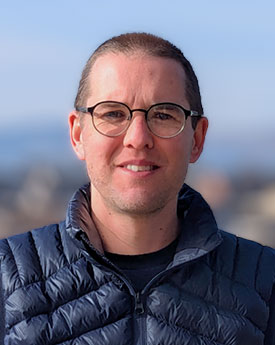
Emergency!, led by Professor in Fine Art Sarah Casey, is an interdisciplinary exchange between art and archaeology. This IAA funded project engaged new audiences with glacial archaeology, an under-represented consequence of climate crisis, through visual art pieces and a short film titled Les Vestiges.
This work, partially developed through a Henry Moore fellowship has been displayed at the Loetschental Museum, with the film to be screened at the Festival International du Film d'Archaeologie in Nyon, Switzerland in September.
Casey’s work on the project has received prizes from prestigious institutions, including the John Ruskin Prize, John Moore Trust Creative Freedom Prize, and the Royal Scottish Academy William Littlejohn Award.
Challenge
A study published in Nature found that glaciers in the Alps and Pyrenees have lost about 40% of their mass since the year 2000, causing immense geographical instability, rising sea levels, and a loss of the landscape.
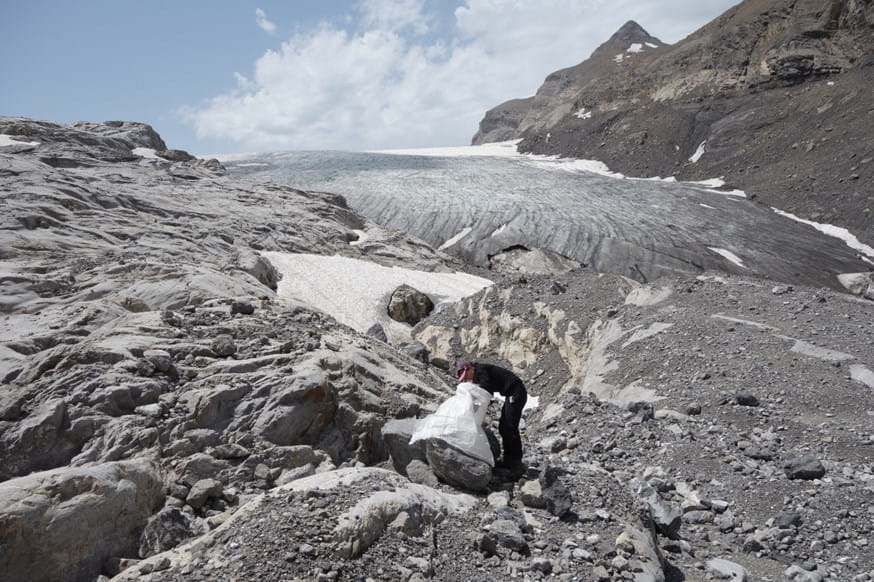
While melting glaciers have become a by-word of climate crisis, a little-known consequence is the emergence of rare archaeology preserved in ice for 50, 500, 5000 years. These finds are especially valuable as the arid low temperature of ice preserves otherwise fugitive material (hair, textile, leather) containing important information about the past. Unfortunately, once exposed to air, these vulnerable traces rapidly decay.
The nascent science of glacial archaeology therefore faces a race against time to recover this fragile heritage. Finds are widely distributed and often made by hikers and alpine workers, so wider public education and engagement is required to recover emerging artifacts before it is too late.
By making the general public more aware of this vital field of study through artistic works and exhibitions, more important findings are likely to be located and preserved in time.
Actions
Sarah Casey has a background in exploring how drawing can be used to facilitate cross disciplinary dialogue. Using this knowledge, developed throughout her career and through earlier projects such as Ruskin’s Good Looking! and Rocky Climates, Casey created an innovative variety of drawings to convey the consequences of neglecting glacial archaeology.
70 wax paper drawings, displayed as the exhibition ‘Les Revenants’, emerged as a result of a competitive Henry Moore fellowship. These drawings melt and distort if the space becomes too hot, demonstrating on a micro-level the cost of glacial retreat and the loss of preserved objects.
In a similar vein, her work ‘Ice Watch’ belongs to a series of negative space drawings on glass watch faces made with glacial flour, emphasising themes of limited time while making use of actual glacial materials.
The development and creation of these works was funded by the IAA, leading to the displaying of the drawings in an exhibition supported by multiple stakeholders, including the collective Musées Cantonaux du Valais, Switzerland.
Additionally, Casey (in collaboration with Rebecca Birch) directed the short film Les Vestiges, which depicted the context and creation of these drawings to extend the project and enhance the storytelling inherent in her work. The film premiered at the Loetschenpass Hut, a mountain refuge that is 2690m asl (above sea level).
Results
Les Vestiges was selected to be screened at the Festival International du Film d'Archaeologie in Nyon, Switzerland in September. It is also on display long term at the Loetschental Museum alongside a display of glacial archaeology, within the Musee d'Art du Valais collection, and was on show at the Henry Moore Institute Leeds.
Drawings created by Casey for the project were awarded several prestigious prizes, including the John Ruskin Prize, John Moore Trust Creative Freedom Prize, and the Royal Scottish Academy William Littlejohn Award.
The exhibition and broader project aims have been reported on in the press, including in a BBC Free Thinking Episode, an interview with BBC Radio Wiltshire, and a review of the exhibition in Creative Tourist.
The success of the project has the potential to encourage further interdisciplinary interactions between artists and scientists. This will create a significant cultural impact and raise further awareness of urgent environmental issues among creatives, practitioners, and organisations.