
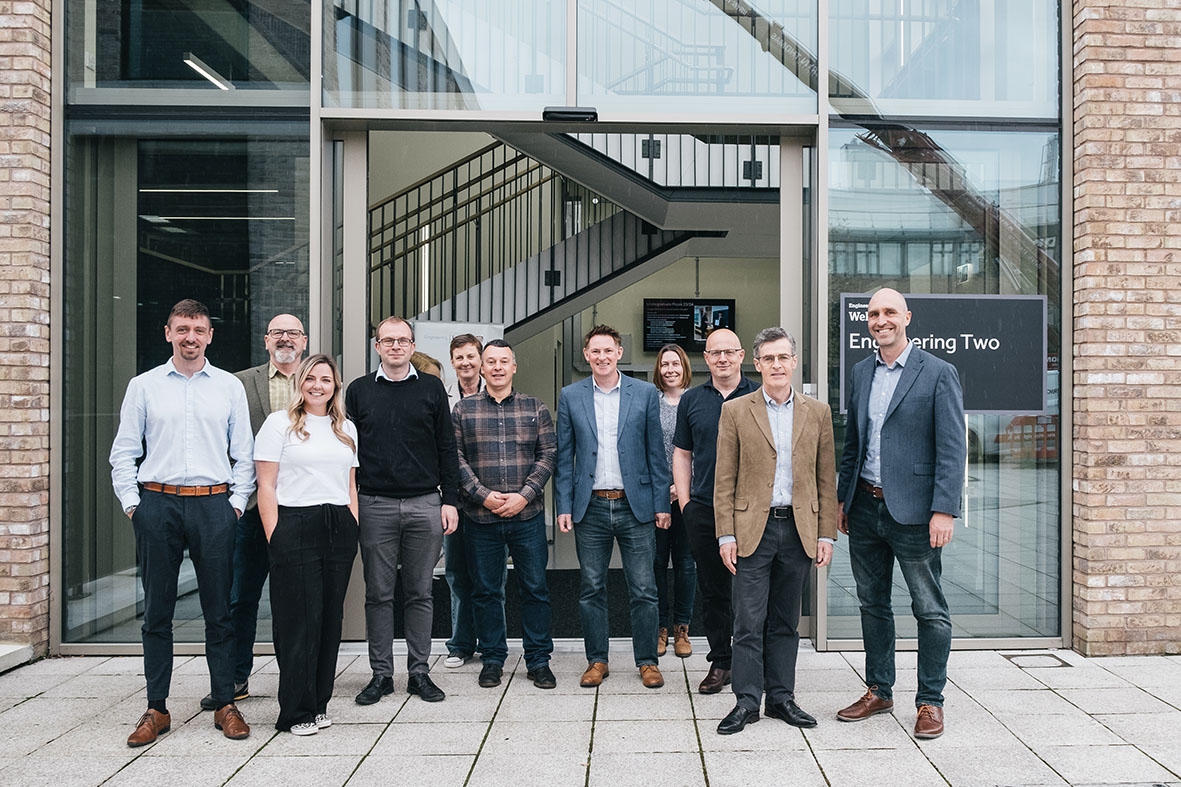
Lancaster University’s EPSRC Impact Acceleration Account (IAA) supports a programme of Innovation Catalysts developed in collaboration with Lancaster University Management School (LUMS). The approach is grounded in research on innovation systems and collaborative infrastructure, which shows how structured, facilitated environments can accelerate the development of new ideas by bringing together businesses, researchers, and intermediary expertise in a managed and purposeful way.
Innovation Catalysts are designed as structured co-creation programmes that create space for industry and academia to work together on shared challenges. Rather than informal networking, they operate as guided processes that support the identification of problems, exploration of opportunities, and development of early-stage innovation concepts with potential for further progression.
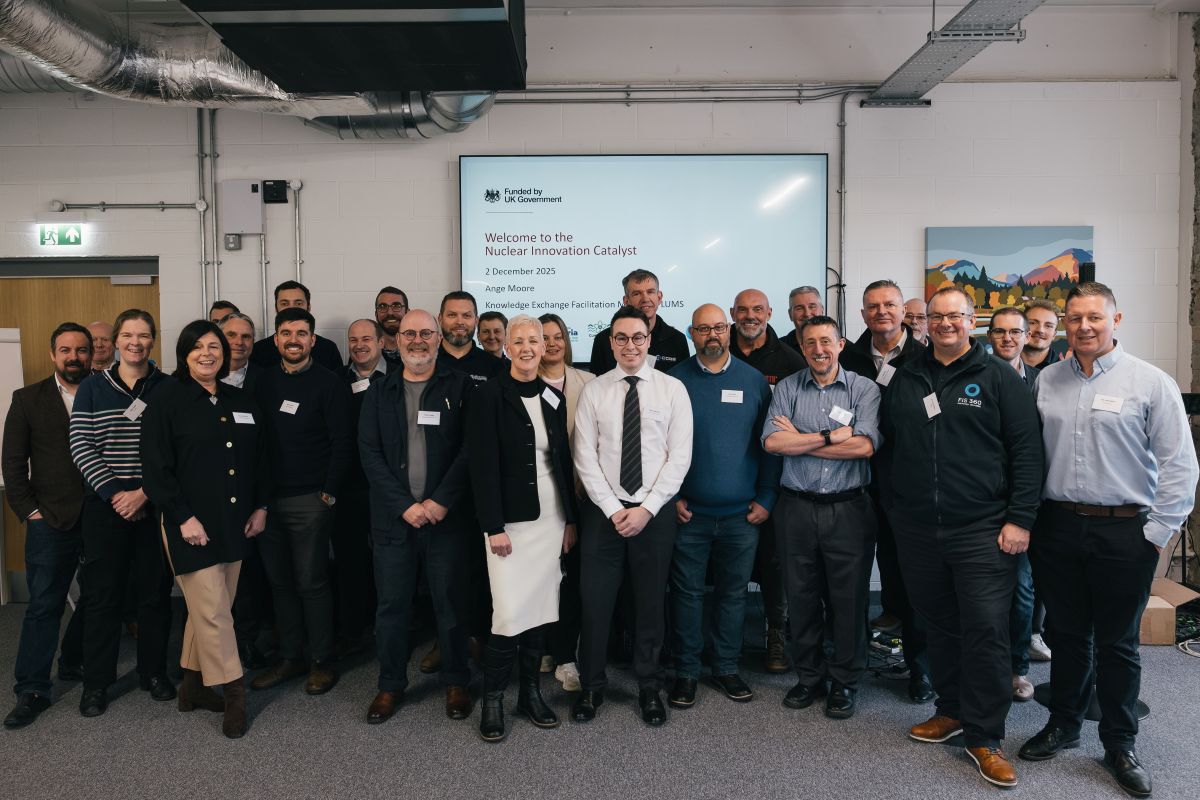
Each Catalyst follows a staged design. The first session focuses on identifying business challenges, including opportunities to diversify into new markets, strengthen competitive advantage through innovation, and surface the collective technical capability within regional industry. This establishes a shared baseline of priorities across participating organisations.
The second “connexion” session brings businesses together with Lancaster University academics, enabling direct engagement between industry challenges and academic expertise across disciplines. This stage is designed to surface new combinations of knowledge and identify potential areas for collaboration grounded in real-world needs.
The third session focuses on shaping and refining potential project ideas. At this point, early concepts are developed into more defined collaboration opportunities, with EPSRC IAA funding enabling rapid testing and exploration of promising innovations.
The fourth session brings consolidation and prioritisation, supporting participants to agree which ideas have the strongest potential for progression into funded projects, partnerships, or longer-term development activity.

This structured approach is informed by research undertaken at Lancaster University Management School on how “innovation catalyst” environments can actively shape collaboration, reduce barriers between sectors, and increase the likelihood of ideas progressing into applied impact. This research demonstrates that innovation is most effectively accelerated when carefully designed facilitation, cross-sector interaction, and iterative development are combined within a coherent process.
A defining feature of the Catalyst model is its emphasis on collective problem-solving. Rather than operating as isolated engagements, Catalysts bring together organisations facing similar challenges, enabling shared learning and the development of more scalable, regionally relevant solutions.
As one industry participant reflected:
“I was very surprised with the opportunities that have come out of the Tech Catalyst as to how Tritech might work with the University. Our initial objective was to get connected with technology that we did not know about and could possibly leverage… We have learned to think differently… I look forward to making the most of this in the future.”
— David Bradley, Managing Director, Tritech
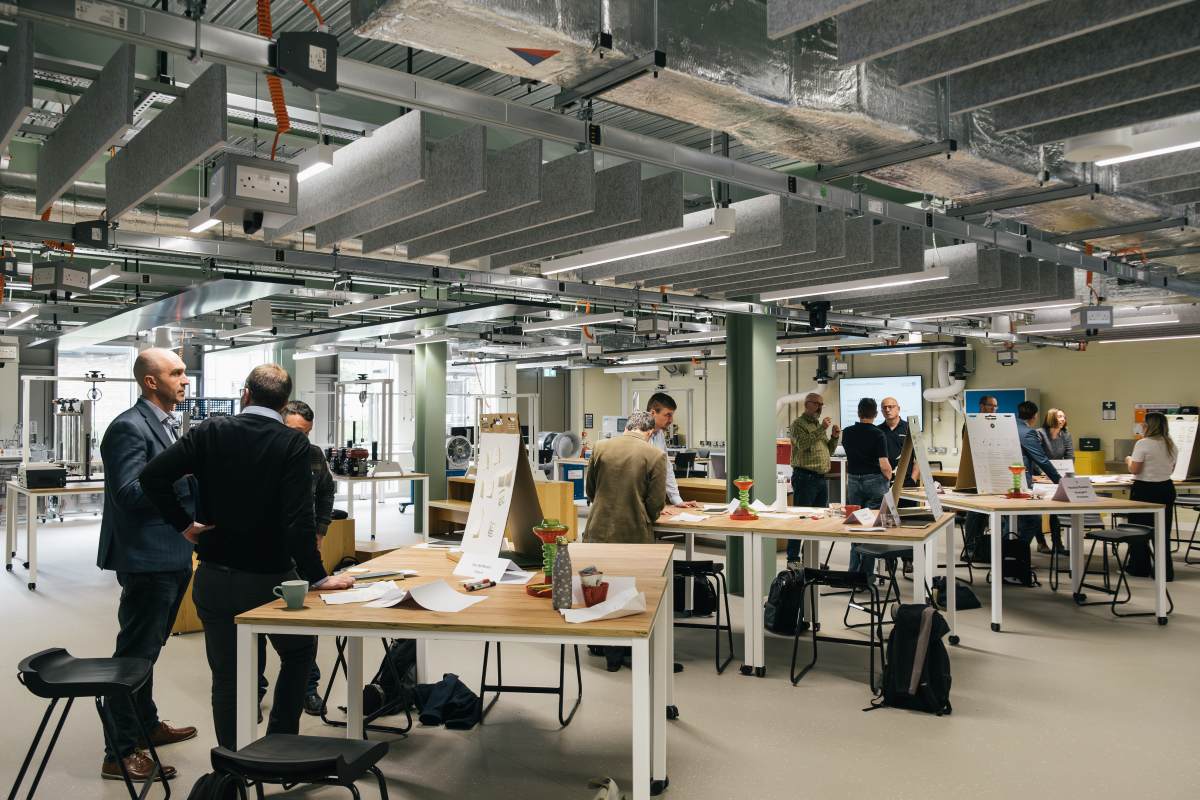
Recent programmes such as the Tech Catalyst and Nuclear Catalyst (delivered across 2025–2026) have brought together businesses, researchers, and specialist partners to explore sector-specific innovation challenges across digital technologies, advanced manufacturing, and nuclear-related systems. These programmes demonstrate how structured collaboration can move from initial challenge identification through to the development of actionable innovation opportunities.
Overall, Innovation Catalysts provide a repeatable, research-informed mechanism for convening industry and academia around shared priorities—supporting the development of new collaborations and strengthening regional innovation capacity over time.