

Summary
Sensing the Luminous Night, led by International Lecturer in Design Dr Rupert Griffiths, explored the impact of artificial light at night (ALAN) on human and ecological wellbeing at the Leighton Moss RSPB Nature Reserve and Bonn Botanical Gardens. Using creative engagement methods and sensor technology, the project raised public awareness of light pollution and the value of darkness through workshops, a night walk, a participatory performance, and a visitor centre installation. The project leveraged €30,000 of co-funding from University of Bonn, leading to an >£100k AHRC grant "Sonorous Landscapes”, and contributed to leveraging over £600k of government investment into the ‘Slough Digital Urban Forest’
Challenge
The project aimed to address the increasing but often overlooked issue of artificial light at night (ALAN) and its impact on both human and ecological wellbeing. ALAN disrupts circadian rhythms by suppressing melatonin production, leading to poor sleep, increased stress, and heightened risks of cardiovascular disease, obesity, and mental health disorders such as anxiety and depression. It also affects wildlife by altering natural behaviours, including feeding, reproduction, and migration, leading to biodiversity loss. Moreover, ALAN diminishes human connection to natural darkness, which is essential for mental restoration and cultural appreciation of the night. Despite these effects, ALAN is often considered less harmful than other pollutants, and formal control measures are uncommon. Sensing the Luminous Night aimed to raise awareness, challenge perceptions, and explore creative, technological, and community-driven approaches to understanding and mitigating light pollution’s impact.
Actions
The first of the key activities were public engagement workshops and night walks. Hosted at Leighton Moss RSPB initially these events combined scientific insights with immersive experiences, helping participants understand ALAN’s effects through creative engagement with sensor data and visualisation tools.
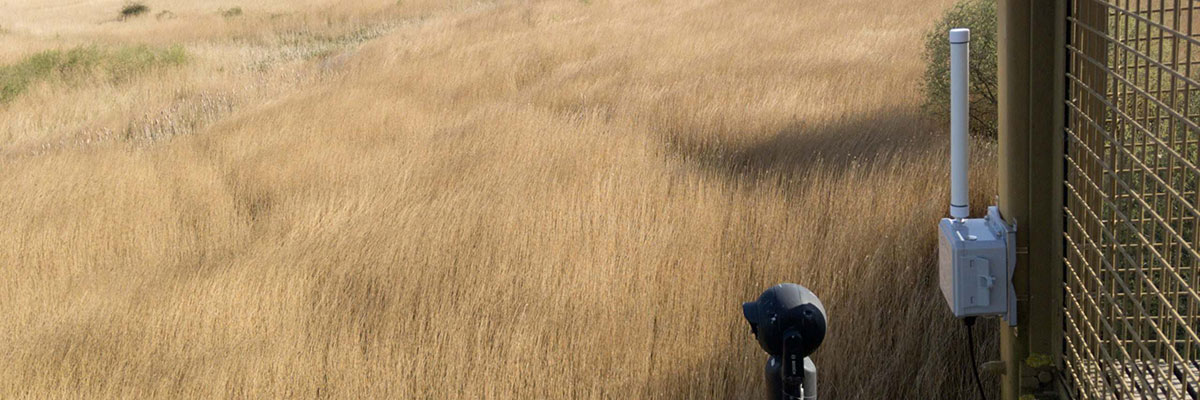
Following this, a permanent installation at the RSPB visitor centre showcased sensor-collected light data, providing an accessible, real-time representation of ALAN’s impact on the reserve’s environment. Similarly, a unique participatory performance transformed ALAN sensor data into an interactive artistic experience. RSPB staff and researchers were also trained in using unattended light sensors and LoRaWAN technology (a low-power, wide-area networking protocol that connects devices to the internet) enabling long-term monitoring and public engagement.
The project strengthened links with Leighton Moss RSPB and the University of Bonn, laying the foundation for a successful German Research Foundation bid (€30,000) to replicate and expand Sensing the Luminous Light to Bonn Botanical Gardens in Germany, working with the University of Bonn; this project became Rewilding the Night.
Results
The project allowed researchers to develop a novel system for capturing, storing, and communicating environmental parameters (e.g., natural and artificial light, UV levels, temperature, humidity). This included ultra-low power sensors designed as fruits and eggs (placed in trees), and a timepiece (both an artefact and a web-based visualisation) to display the data. The technical infrastructure installed at Leighton Moss is now in-situ and will be further developed, with additional sound-based monitoring to be incorporated (funded by the AHRC Design Exchange Partnership grant).
The IAA funded project led to follow on activity to explore the commercialisation potential of the environmental modelling system. This included participation in the ARC Accelerate Launch programme, an intensive two-day workshop with Mark Mann, and four workshops with urban designers, architects, developers, and ecologists to evaluate the commercialisation potential. IAA-funded workshops with Slough Digital Urban Forest stakeholders identified multiple commercialisation pathways and prototype development needs.
Sensing the Luminous Night, as well as fostering a greater sense of environmental stewardship, has contributed to urban design interventions, including nature-inclusive lighting and biodiversity-sensitive urban planning.