
Research
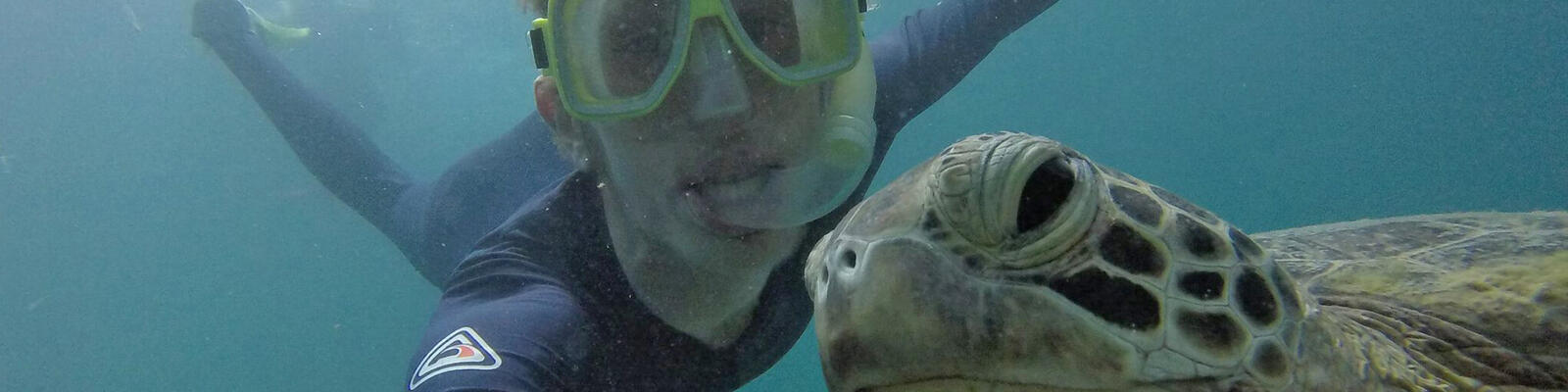
Researchers from Lancaster Environment Centre have found that critically Endangered female angelsharks are changing normal mating routines in warming oceans as they prioritise staying cool over visiting breeding grounds when things get too hot. These changes are creating a potential mismatch in the mating behaviours between the sexes of angelshark that could have severe consequences for the future of the species.
A Lancaster University scientist is among a team of international scientists to have tracked over 100 marine megafauna species, identifying the most critical locations in our global oceans for better marine conservation efforts. The global UN-endorsed research project, MegaMove, involves almost 400 scientists from over 50 countries, showing where protection could be implemented specifically for the conservation of marine megafauna.
Seafood Business for Ocean Stewardship (SeaBOS)
The Pentland Centre Director, Professor Jan Bebbington from Lancaster University Management School is working with Stockholm Resilience Centre on the SeaBOS project. The collaboration seeks to identify and work in partnership with organisations in the seafood industry to achieve a step change in sustainability performance.