
Sustainability engagement plan

For staff and students

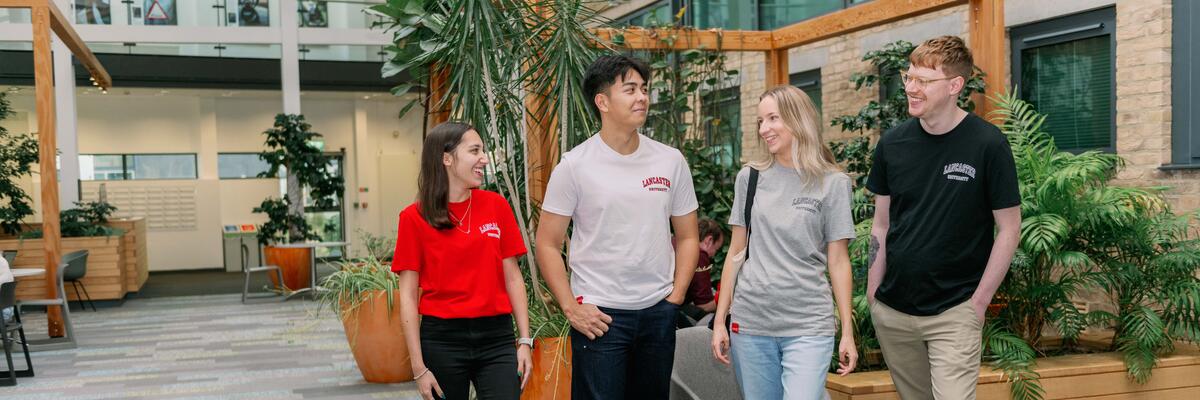
Students on campus

Introduction

This policy establishes how Lancaster University staff and students will engage with sustainability in daily operations, academic life, and campus culture. It supports the University’s long‑term commitments to carbon reduction, biodiversity enhancement, social justice, and responsible resource use. It also aligns with national frameworks such as the UN Sustainable Development Goals.

This policy applies to:

  • All Lancaster University staff (academic, professional services, contractors)
  • All students (undergraduate, postgraduate, part‑time, distance learners)
  • All University‑managed spaces, facilities, and activities

Objectives

  • Achieve 300 staff and students completing the digital sustainability training module by December 2026.
  • Engage 500 students and staff annually in sustainability events by 2027, tracked through sign‑ups.
  • Deliver at least one behaviour change campaign during academic year 26/27 aimed at staff and students.
  • Work with student bodies, clubs and societies to deliver student facing environmental projects and initiatives.
Students working on the Don't Ditch It project

Guiding principles

  • Shared responsibility — everyone contributes to sustainability outcomes.
  • Transparency — decisions and progress are openly communicated.
  • Continuous improvement — the University regularly reviews and enhances its practices.
  • Inclusivity — sustainability initiatives must be accessible to all.
  • Evidence‑based action — decisions are informed by research and data.
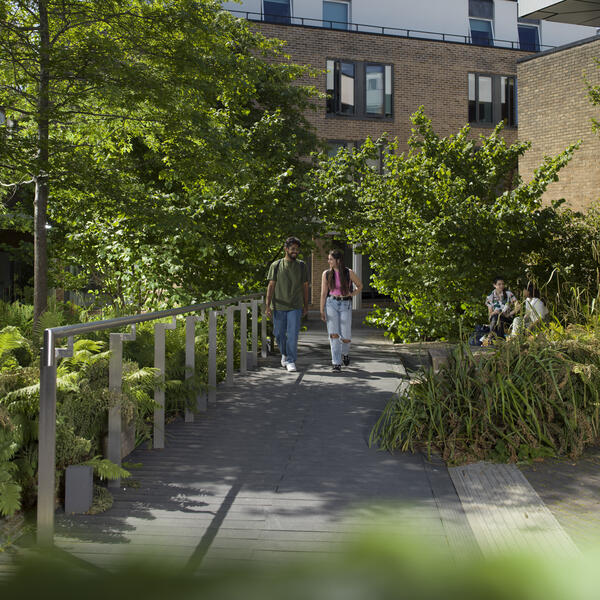
Students walking through campus

Priority areas for engagement

Carbon and Energy

  • Promote energy‑efficient behaviour in buildings.
  • Encourage low‑carbon research, teaching, and operations.
  • Support the University’s net‑zero targets

Waste and Circular Economy

  • Reduce use and purchase of single‑use items.
  • Improve recycling and Don’t Ditch It project.
  • Support reuse through repair workshops and swap events.

Biodiversity and Green Spaces

  • Engage with campus biodiversity and wildlife enhancement projects.

Ethical Procurement

  • Prioritise low‑impact, fair‑trade, and local suppliers.
  • Reduce carbon and waste in purchasing decisions.

Community and Social Impact

  • Strengthen partnerships with local organisations.
  • Support volunteering and outreach.
  • Promote equality, diversity, and wellbeing.

Key activities

Our main sustainability activities and engagement opportunities, throughout the year.

Tab Content: Don't Ditch It project

Don’t Ditch It is Lancaster University’s student-powered reuse project - held during summer when the students are leaving their accommodation.

Responsibility: Sustainability team and paid student staff

Resources: Student staff hired for project duration. Budget for printed promotional materials and signage

Timeframe: Project runs June-September each year

Tab Content: Biodiversity sessions

Biodiversity sessions are available throughout the year for both staff and students. Frequent sessions include planting trees and wildflowers on campus.

Responsibility: Lancaster University Landscape Manager and student/staff volunteers

Resources: Staff time for resourcing sessions. Equipment provided by the University.

Timeframe: Run at least 8 sessions throughout the year.

Tab Content: Positive Change Week

Positive Change Week is an annual week of sustainability events, held on campus for students and staff to attend.

Responsibility: Sustainability team and Sustainability Communications Officer.

Resources: Marketing budget for events. Internal promotion to staff and students.

Timeframe: Annual event held in March.

Tab Content: LEAF

Laboratory Efficiency Assessment Framework (LEAF) is an engagement initiative used to improve the sustainability and efficiency of laboratories on campus.

Responsibility: Labs technician team

Resources: Lab and faculty budgets used to complete work needed for LEAF awards.

Timeframe: All year round project.

Tab Content: Sustainability communications

Our communications are directed internally towards both staff and students. These include staff monthly newsletter, digital e-screens around campus, student newsletter and social media.

Responsibility: Sustainability Communications Officer, accommodation/college teams.

Resources: Staff time.

Timeframe: Project runs all year round with monthly newsletters.

Monitoring and reporting

The annual sustainability report will track progress against engagement Objectives and KPIs. Staff and students will be invited to contribute data, case studies, and feedback. Progress will be reviewed by the University’s Sustainability Committee.

This policy will be reviewed every two years to ensure alignment with emerging research, legislation, and University strategy.

Policy owner/author: Head of Sustainability (Dr Zoe Detko)

Version number: 1.0
Approved by: Sustainability Team - Head of Sustainability (Dr Zoe Detko)
Approved Date: 20 May 2026
Date last reviewed: May 2026
Date of next review: May 2027