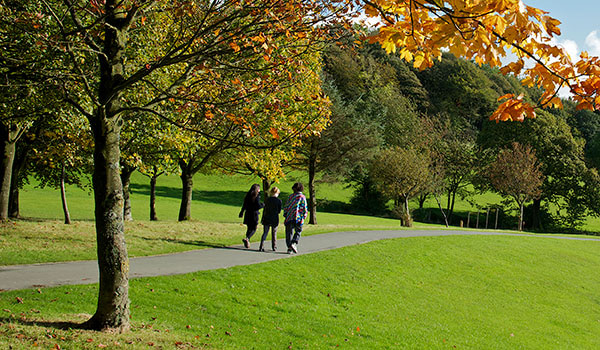
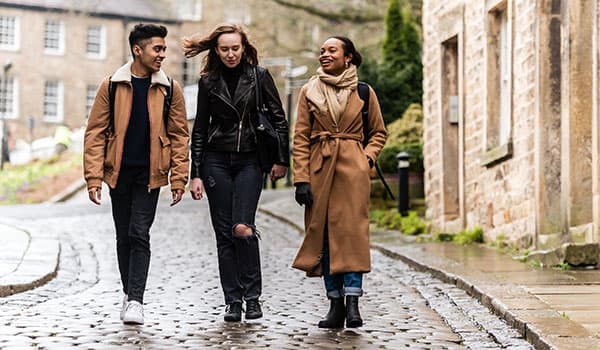
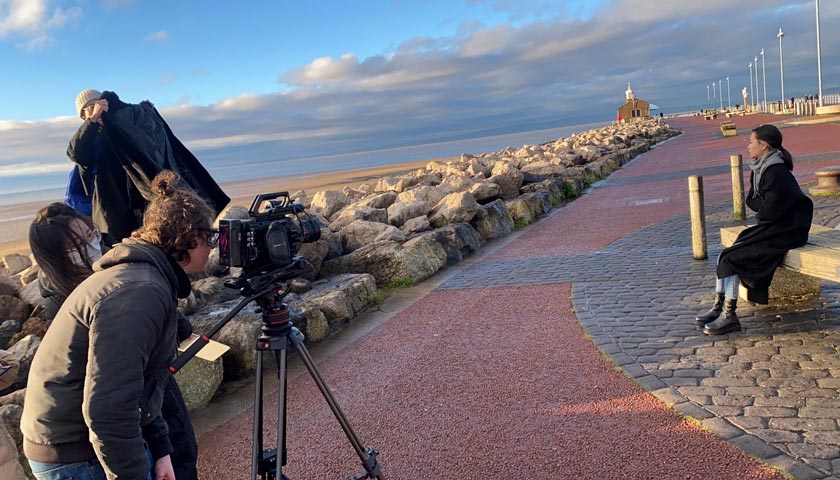
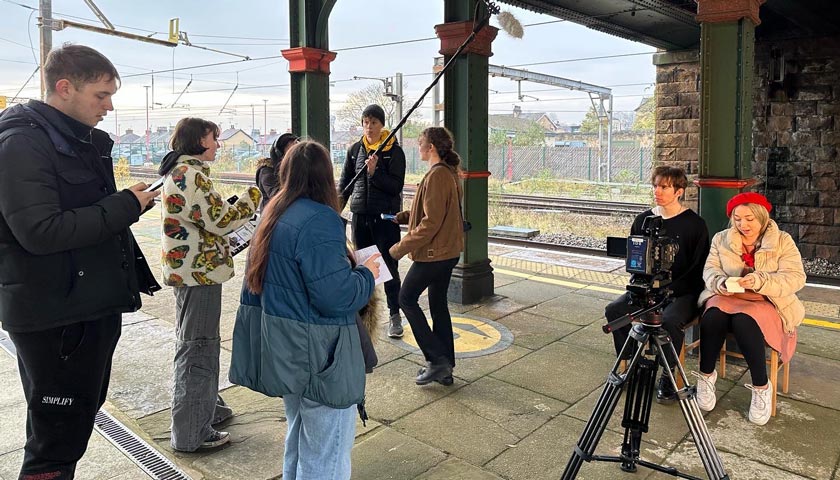
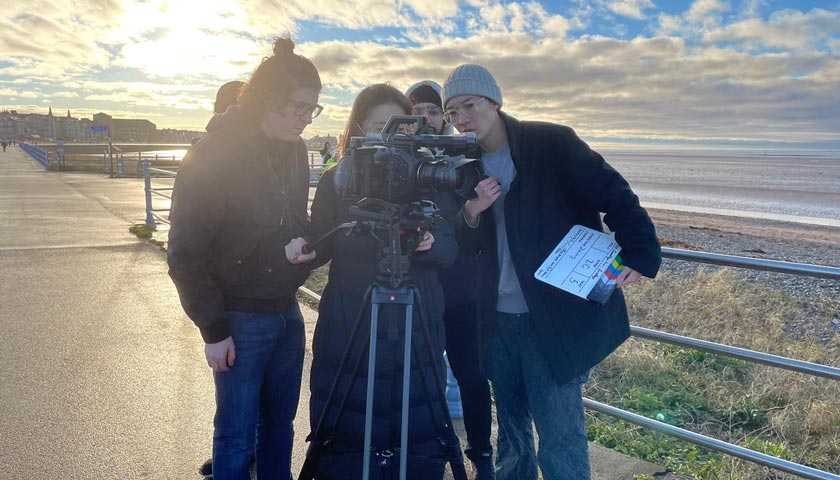
The Fine Art and Film course at Lancaster invites you to explore bold and imaginative connections between moving image and fine art practices. You will develop your ideas in an environment where the histories and theories of cinema and fine art intersect, generating dynamic and experimental outcomes. From its cityscape and rural backdrops to its coastal scenery, Lancaster’s surroundings provide ample inspiration and filming locations.
Through an in-depth engagement with materials, processes, and techniques, you’ll create a body of work that examines how film and fine art inform, challenge, and reimagine one another. The course encourages critical thinking, experimentation, and risk-taking, supporting you in developing work that is conceptually strong and visually compelling.
Working with academics from film and fine art with a history of national and international excellence, you will graduate with a combination of intellectual and practical skills indispensable for future critical and creative pursuits.
From its cityscape and rural backdrops to its coastal scenery, Lancaster’s surroundings provide ample inspiration and filming locations.
Why study Fine Art and Film at Lancaster?
- Combine fine art practice with the study of contemporary ideas and art movements
- Work with tutors who are practicing artists and scholars, working with video, 3D, machine learning, environment, temporality, new materialism, participation and socially engaged practices.
- Take advantage of your own dedicated art studio spaces with expert technical support on hand
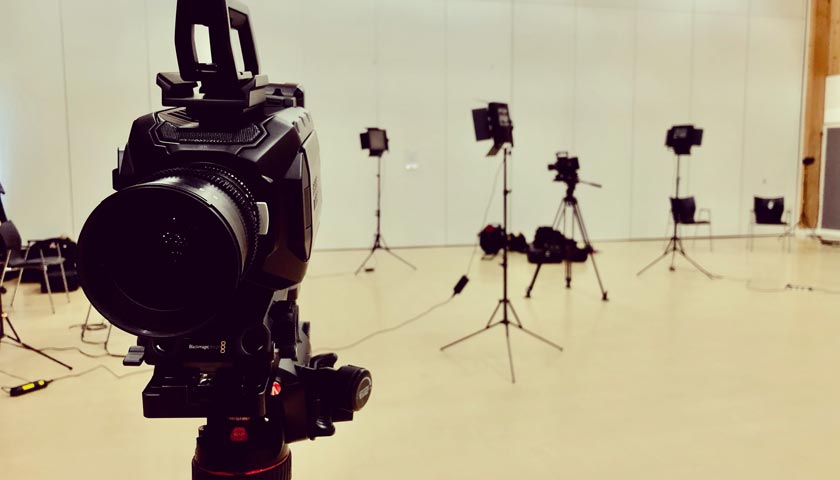
- Benefit from access to our editing suites and specialist equipment, including cinema-ready digital cameras and workshop spaces
- Work with tutors who are practicing artists, filmmakers and theorists, exhibiting and publishing their work across a range of media
- Deepen your knowledge of global film history while also gaining practical film-making experience
How will I develop my skills in Fine Art at Lancaster?
Fine Art at Lancaster is about finding your voice and deciding what matters to you in today’s art landscape. With engaging seminars in art history and theory, we’ll support you in shaping your values, and understanding the evolving role of art. As you develop these ideas in your own studio practice, discover how contemporary art can be bold, critical, and meaningful. You will work with tutors who are practicing artists and scholars, working with video, 3D, machine learning, environment, temporality, new materialism, participation and socially engaged practices.
You will broaden your understanding of contemporary Fine Art via hands-on projects, technical demonstrations and skills-based workshops. Experiment with painting, drawing, sculpture, installation, video, digital art, and their many hybrids. Our purpose-built studios include a digital art lab, installation spaces, and fully equipped workshops.
Gaining professional experience is important. Recent Fine Art graduates have secured commissions with digital arts organisations such as FACT Liverpool and Future Everything, and rewarding roles at galleries such as Middlesbrough Institute of Modern Art, Art Gene, and Home, and companies such as International Conservation Services, Science Museum National Collections Centre, Holocaust Centre North, ITV, United Colours of Benetton India, and The National Festival of Making.
What can I expect from studying Film at Lancaster University?
Dive into the fascinating world of film, studying cinema and its history from international perspectives. You will gain an in-depth understanding of the development of cinema, from Victorian novelty films to the thriving global industries of the 21st century. As well as deepening your knowledge of international film history, you will develop skills of close film analysis, examining how formal elements work in concert to produce meanings and generate effects.
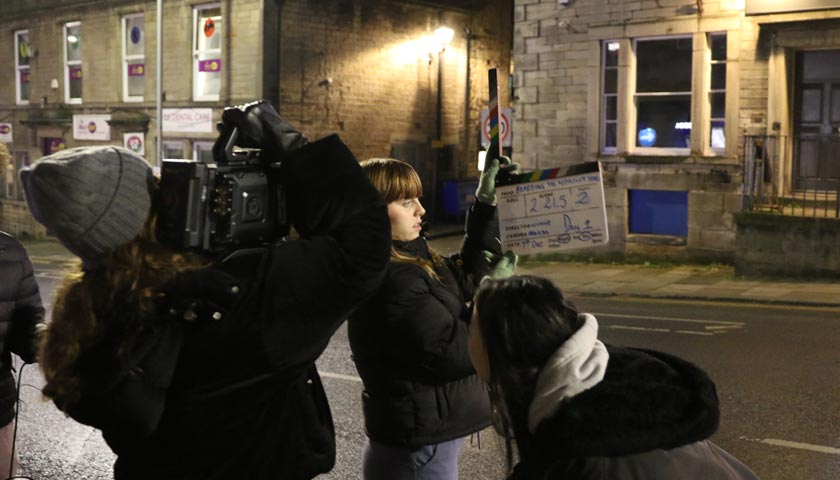
You will also build your practical skills in cinematography, editing and sound, and explore film-making styles such as narrative, documentary and experimental. Together with global film practices, storytelling and scriptwriting, and gender and politics in film, you will be introduced to a wide range of themes that could influence the work you produce during your degree and your future career. One past student tackled the superhero genre through a powerful microfilm, while another produced an award-winning film exploring the fear women have of walking home alone at night.
You will have access to top-of-the-line production equipment including cinema-ready digital cameras with prime lenses, DSLR cameras, versatile set lighting, grip equipment and full access to Adobe Creative Cloud in our acoustic editing suites. Our specialist facilities ensure you can put your ideas into practice, with support when needed from our friendly technicians.
What opportunities are there outside the course?
Studying at Lancaster offers a lively, creative community that extends from our campus to the city’s Castle Quarter and beyond. You will have opportunities to attend workshops with professional artists and industry experts as well as field trips. You can also engage in community-based film productions and local film festivals.
Exhibition opportunities throughout the course will help you develop professional skills, and you might also participate in our student-run cinema Take2, where you can show your films, or LA1TV - our own TV studio. In previous years, final year students have shown their own films at The Dukes, Lancaster’s city centre arts venue. We also have strong industry connections with The British Film Institute, The Bay International Film Festival, LA1 Shorts Festival and Lancaster International Film Festival.
Recent Fine Art graduates have secured commissions with digital arts organisations such as FACT Liverpool and Future Everything, and rewarding roles at galleries such as Middlesbrough Institute of Modern Art, Art Gene, and Home, and companies such as International Conservation Services, Science Museum National Collections Centre, Holocaust Centre North, ITV, United Colours of Benetton India, and The National Festival of Making.



.jpg)